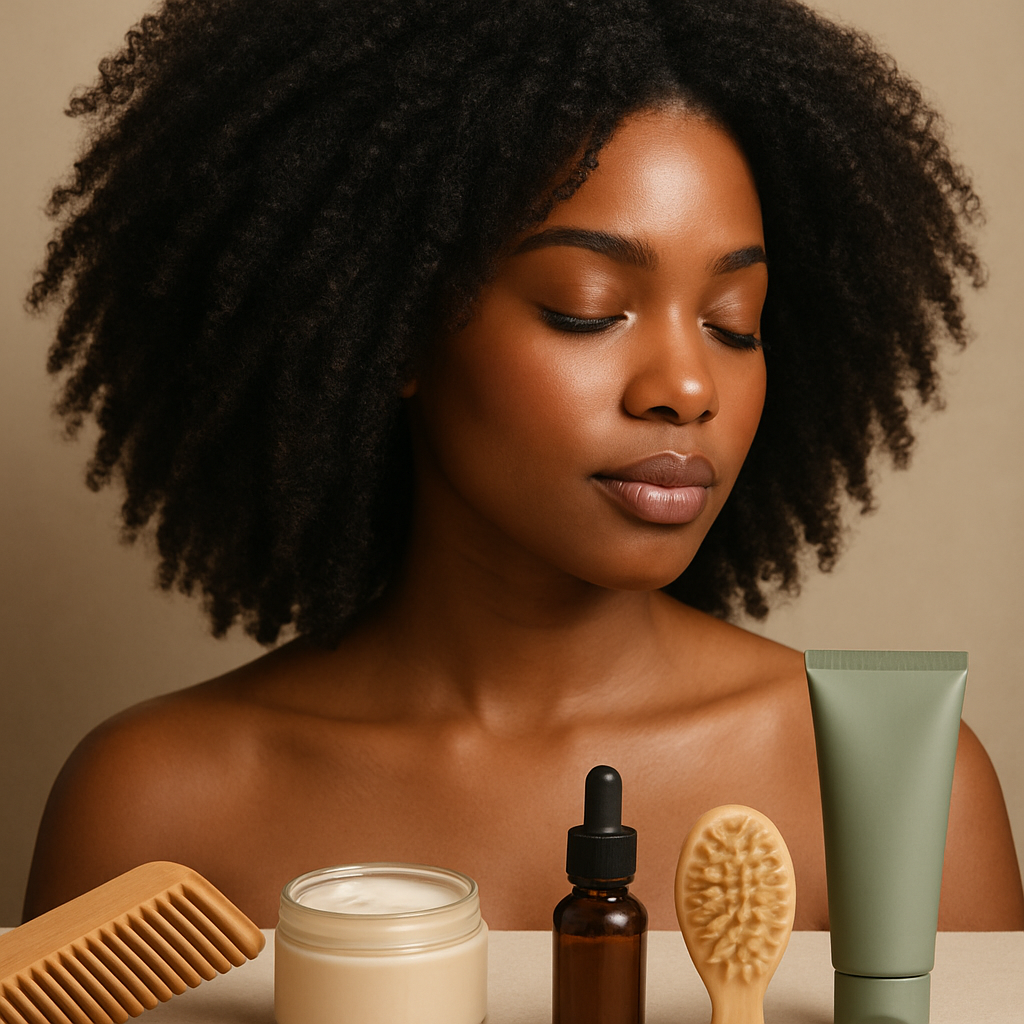
Understanding the diverse nature of black people hair types is crucial for proper hair care and styling. With a rich history and unique characteristics, these hair types require special attention and tailored care routines to ensure they remain healthy and beautiful. By exploring the key differences and care techniques, you can unlock the secrets to maintaining vibrant and strong hair.
Understanding Black People Hair Types
Black hair is incredibly varied, encompassing a range of textures, from loose waves to tight coils. Generally referred to as Type 3 and Type 4 hair, these textures can be further categorized based on the curl pattern and density.
Types of Black Hair
- Type 3: This includes hair with loose curls and ringlets, like those seen in Type 3A, 3B, and 3C. These curls are typically well-defined and have a springy texture.
- Type 4: This encompasses hair that has tight curls and coils, classified into Type 4A, 4B, and 4C. This type may have a denser structure and is usually more prone to dryness without proper care.
Caring for Black Hair
Each hair type requires tailored care practices to promote optimal health. Regular moisturizing routines are essential, as curly and coily hair types are prone to dryness. Using the right products is equally important, which often involves selecting sulfate-free shampoos, nourishing conditioners, and deep treatment masques.
For frizz control and shine, seal hair with natural oils such as argan, jojoba, or coconut oil. Protective hairstyles, including braids and twists, are beneficial in reducing breakage and protecting ends.
Choosing the Right Hair Tools
Using appropriate hair tools plays a significant role in maintaining healthy black hair. Opt for wide-toothed combs to detangle curls gently and prevent hair breakage. Hairbrush selection is equally crucial for promoting healthy hair. Discover the best options by reading our guide on what kind of hair brush you should use.
Common Challenges with Black People Hair Types
Caring for black hair comes with its unique set of challenges, requiring patience and experimentation to find what works best.
Dryness and Moisture Retention
One of the primary concerns with black hair is its tendency to become dry. The natural oils produced by the scalp find it difficult to travel down the shaft of curly and coily hair, making regular hydration and oil applications necessary. To help retain moisture, consider deep conditioning treatments and effective leave-in conditioners.
Damage and Breakage
The curls and coils can often lead to increased breakage, especially when hair is improperly handled. To mitigate this, ensure gentle detangling with appropriate tools and limit the use of direct heat styling methods.
Scalp Health
Keeping your scalp healthy is vital for overall hair health. Ingredients like tea tree oil and peppermint oil can provide soothing benefits and help maintain a balanced scalp environment. However, should you have any concerns about scalp conditions and treatments, consulting a healthcare professional is advisable. Learn more about scalp health from credible resources like this page on Wikipedia.
The Importance of a Tailored Hair Care Routine
Creating a personalized routine for black people hair types can dramatically improve the texture and appearance of your hair. This routine should involve regular washing, conditioning, and moisturizing, along with protective styling when necessary. Regular trims can also help prevent split ends and promote healthy growth.
Furthermore, taking time to understand your specific hair needs will ensure you select the right products and practices conducive to maintaining healthy hair.
In conclusion, appreciating the distinct nature of black people hair types and providing specialized care is essential for achieving beautiful and healthy hair. Embracing these practices can lead to not only improved hair health but also a greater sense of pride in your natural texture.
Takeaways
- Black hair is diverse, with Type 3 and Type 4 textures being common.
- Moisturizing and protection are key components of hair care.
- Choosing the right tools helps maintain healthy hair.
- Common issues include dryness and breakage.
- A tailored routine can enhance hair health and appearance.
FAQ
What are the main types of black hair?
Black hair predominantly falls into Type 3 (curly) and Type 4 (coily) categories, which vary in curl pattern and density.
Why is moisture important for black hair?
The curly nature of black hair makes it difficult for natural oils to travel down the hair shaft, leading to a tendency for dryness and the need for additional moisture.
How can I minimize breakage in my hair?
To reduce breakage, use suitable detangling tools like wide-toothed combs, avoid excessive heat styling, and maintain a regular trimming schedule.
What products are best for Type 4 hair?
Type 4 hair benefits from deeply hydrating and nourishing products, such as sulfate-free shampoos, rich conditioners, and moisturizing leave-ins.
Where can I learn more about scalp care?
For detailed information on maintaining a healthy scalp, refer to credible sources such as the health page on Wikipedia.