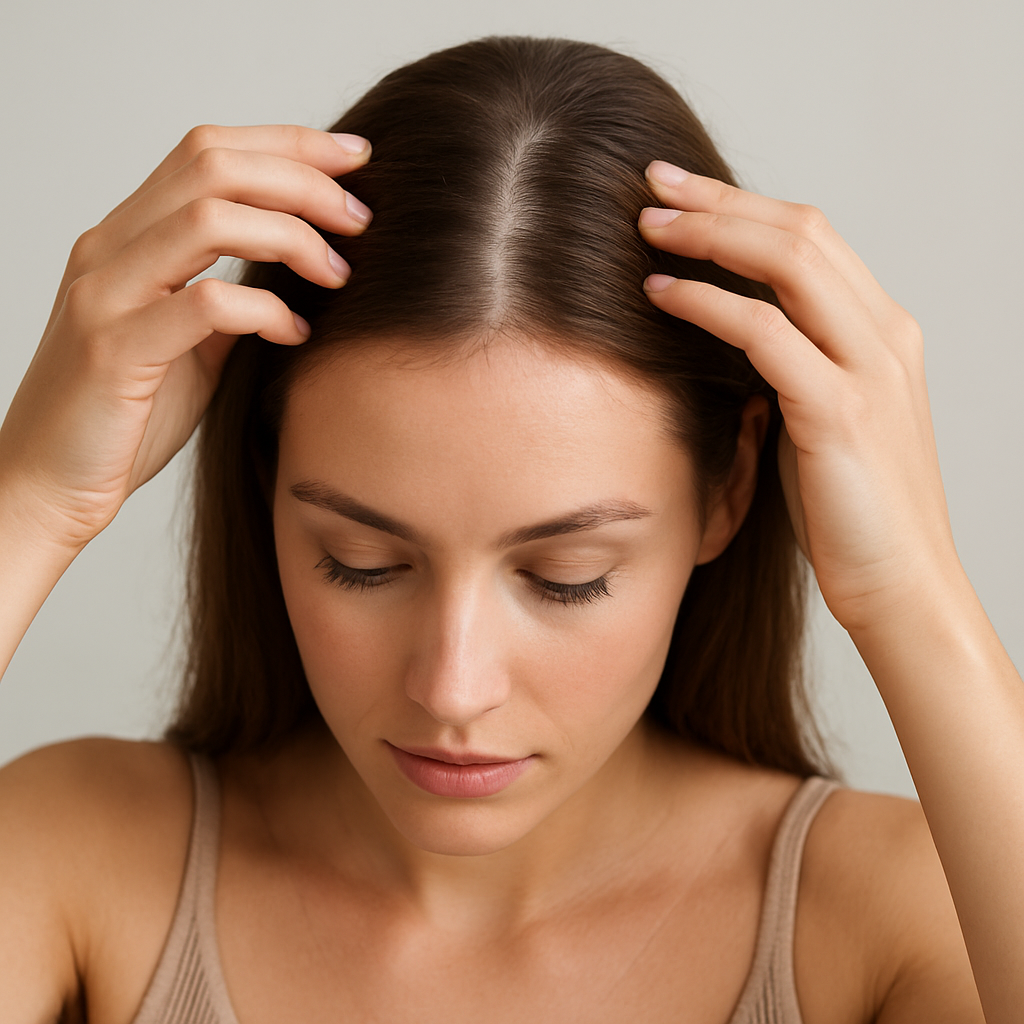
Hair thinning is a common concern that many people face at some point in their lives. Recognizing the first signs of hair thinning can be crucial in addressing the problem early and effectively. Early detection allows for a wider range of treatment options, potentially improving outcomes and maintaining hair health.
Identifying the First Signs of Hair Thinning
The initial indicators of hair thinning can vary. Some people may notice increased hair shedding, while others might observe a reduction in hair volume or a change in hair texture. Paying close attention to these subtle changes can help you catch thinning hair in its early stages.
Increased Hair Shedding
One of the early signs of thinning hair is increased hair shedding. It’s normal to lose between 50 to 100 strands of hair a day, but if you notice clumps of hair on your pillow, in your shower drain, or after brushing, this could be a sign of thinning.
Reduction in Hair Volume
If your hair seems less voluminous than before, it could be an indication of thinning. This volume loss can be subtle and might initially be most noticeable when styling your hair. Your ponytail might feel smaller, or you may need to use more products to achieve the same fullness as before.
Changes in Hair Texture
Hair that is thinning might become finer or more brittle. Texture changes are another early sign, often making hair harder to manage and style. This can occur across all sections of the hair or be noticeable only in certain areas.
Causes of Hair Thinning
Several factors can contribute to hair thinning, including genetics, hormonal changes, and lifestyle choices. It’s important to understand these causes to address them effectively.
Genetic Factors
Hereditary hair loss is one of the most common causes of thinning hair. If you have a family history of hair thinning, you might be more prone to experiencing it yourself.
Hormonal Changes
Changes in hormones, particularly in women, can lead to hair thinning. This can occur during pregnancy, menopause, or due to conditions like polycystic ovary syndrome (PCOS).
Lifestyle and Environmental Factors
Stress, a poor diet, and exposure to harsh chemicals can all contribute to early signs of thinning hair. Ensuring a balanced diet and proper hair care can sometimes help improve these conditions.
Addressing Thinning Hair
There are several strategies to consider once you’ve identified the early signs of thinning hair. These can range from lifestyle changes to specialized treatments.
Lifestyle Changes
Improving your diet by including rich sources of vitamins and minerals can support hair health. Additionally, managing stress through techniques like yoga or meditation may help reduce hair fall.
Hair Care Routine
Using gentle hair care products that nourish your scalp without harsh chemicals can assist in maintaining healthy hair. Regular scalp massages can also promote blood circulation, potentially aiding in hair growth.
Medical and Professional Treatments
If you are concerned about your thinning hair, consulting a healthcare professional can provide specific guidance tailored to your situation. Treatments such as minoxidil have been studied for their effectiveness in reducing hair thinning. Additionally, exploring the effects of other medications may be beneficial. For example, learn about the potential impact of steroids on hair loss.
External Resources
For further information on hair thinning and hair health, consider reviewing resources such as the Hair Loss Wikipedia page, which provides detailed and credible information on the topic.
By recognizing the first signs of hair thinning early, individuals are better equipped to take effective measures to combat the issue, preserving both hair health and overall self-esteem.
- Early detection of hair thinning can improve treatment outcomes.
- Increased hair shedding, reduced volume, and texture changes are key signs.
- Lifestyle changes and proper hair care are vital in managing thinning hair.
- Consulting professionals for personalized advice can be beneficial.
- External credible sources can offer detailed information on hair health.
What are some natural treatments for thinning hair?
Natural treatments like scalp massages and diets rich in vitamins and minerals may support hair health. However, results vary, and it’s best to consult with a healthcare provider for personalized advice.
Can stress cause hair thinning?
Yes, stress can lead to hair thinning in some individuals. Techniques to manage stress, such as yoga and meditation, may help in reducing hair fall caused by stress.
Is hair thinning reversible?
The reversibility of hair thinning depends on its cause. Early intervention is key, and many find that their hair improves with appropriate treatment and lifestyle changes.
How do hormones impact hair thinning?
Hormonal changes can significantly impact hair health, especially in women. Conditions like pregnancy, menopause, or PCOS often lead to thinning hair, affecting hormone levels and hair growth patterns.
When should I see a doctor about thinning hair?
If you notice significant changes in the amount of hair you’re losing, or if you’re concerned about the pattern of your hair thinning, it may be beneficial to seek medical advice for a comprehensive evaluation.