When it comes to maintaining and enhancing the growth of your hair, understanding how often should I oil my hair for growth is crucial. Oiling is a traditional practice that continues to be recommended by experts for its potential benefits in nourishing the scalp and strengthening hair. However, the frequency of oiling can significantly influence its effectiveness. To maximize hair growth, it’s essential to tailor your oiling routine based on your hair type, lifestyle, and specific needs.
How Often Should I Oil My Hair for Growth?
Determining an optimal oiling frequency largely depends on individual factors such as hair type, scalp condition, and personal preferences. Generally, oiling once or twice a week provides ample nourishment without overburdening the scalp. Over-oiling may lead to a greasy scalp and require excessive cleansing, which could strip the hair of its natural oils and counteract growth efforts. For most hair types, this balanced approach supports growth by providing essential nutrients and maintaining scalp health.
Understanding Your Hair Type
Each hair type responds differently to oils, necessitating a customized approach. For instance, individuals with dry or curly hair may benefit from oiling more frequently, as these hair types tend to require additional moisture. On the other hand, those with oily hair should reduce the frequency to avoid excessive greasiness. Understanding your hair’s unique characteristics is the first step towards establishing a beneficial oiling routine.
The Role of Scalp Health
A healthy scalp is foundational for promoting hair growth. Regular oiling can aid in maintaining scalp health by keeping it moisturized and preventing issues like dandruff and irritation. Massaging the scalp during oil application can also improve blood circulation, encouraging hair follicle activity. However, it’s essential to monitor how your scalp responds to oiling and adjust accordingly to prevent product buildup.
Choosing the Right Oil
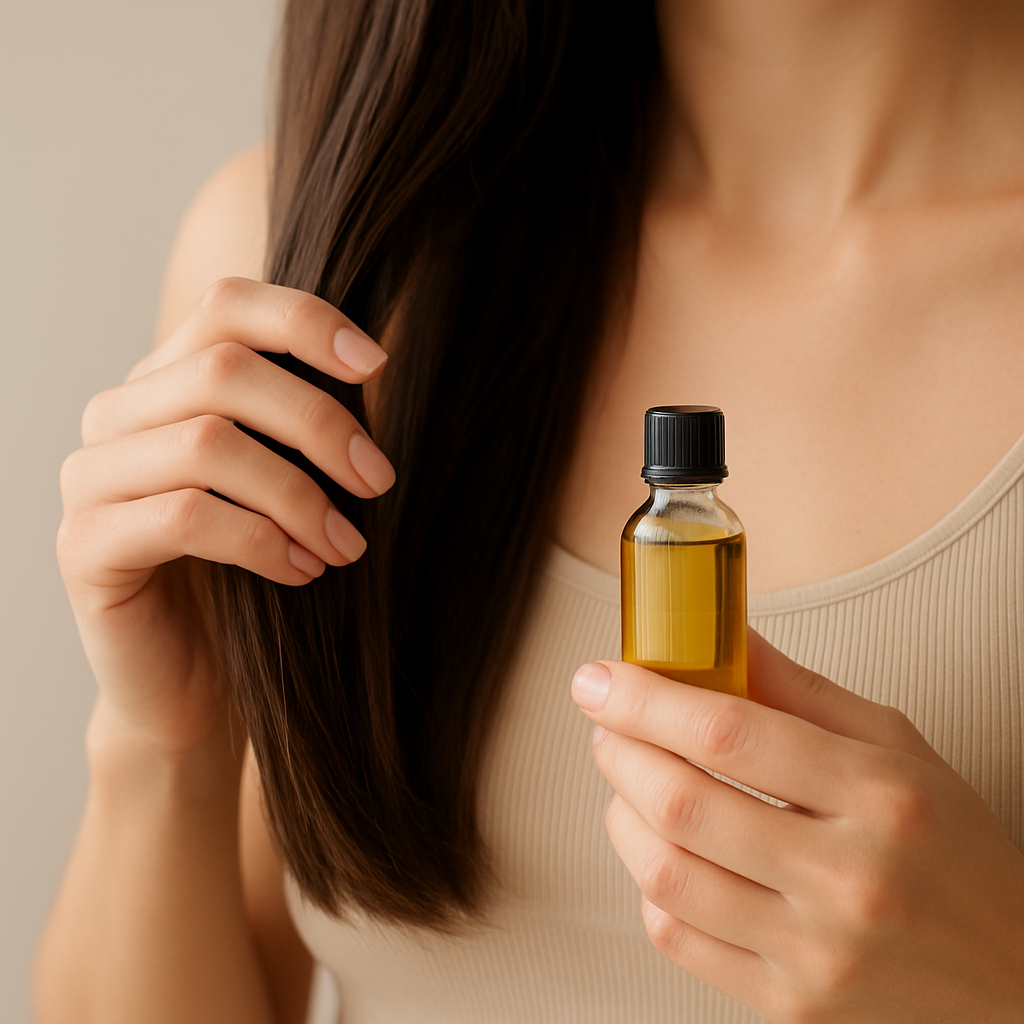
The benefits of oiling are significantly influenced by the type of oil used. Popular options like coconut oil, argan oil, and jojoba oil each come with unique properties that cater to various hair conditions. Coconut oil is renowned for its deep conditioning properties, while argan oil is excellent for taming frizz and adding shine. Selecting an oil that aligns with your hair concerns can enhance the benefits and support growth.
Oiling Techniques for Maximum Benefits
Effective oiling is not just about frequency but also the technique. Applying oil to the scalp in sections ensures even distribution. Massaging gently with your fingertips can enhance absorption and stimulate hair follicles. Leave the oil on for at least 30 minutes before washing it off with a mild shampoo to avoid residue and maintain balance.
For more insights into maintaining healthy hair, you can explore whether using conditioner affects hair growth by visiting our article titled Does Conditioner Cause Hair Loss?
Considerations for Special Conditions
Individuals with certain scalp conditions or medical issues may need specific oiling recommendations. For instance, those experiencing severe dandruff or scalp infections should consult a dermatologist to avoid exacerbating the condition. Tailored advice ensures that oiling remains a beneficial practice and doesn’t conflict with any treatments you may be undergoing.
The Impact of Lifestyle on Oiling Frequency
Your lifestyle can also influence how often you should oil your hair. Factors like pollution exposure, diet, and stress levels can affect hair health and growth. An active lifestyle or occupying highly polluted environments might necessitate more frequent cleansing and adjusted oiling schedules. Listening to your hair’s needs is key to optimizing your routine.
If you’re interested in learning more about general health information and how it might influence your hair care decisions, you can find reliable resources on sites like Wikipedia.
As you decide how often should I oil my hair for growth, remember that balance is crucial. Over time, with observation and adjustments, you can develop a routine that supports optimal hair health and growth.
- Regular oiling can help nourish the scalp and strengthen hair.
- Ideal oiling frequency varies based on hair type and personal needs.
- Techniques such as sectioning and massaging improve oiling benefits.
- Always choose hair oils that match your specific hair requirements.
- Consider lifestyle and health conditions for an effective hair routine.
Can oiling reduce hair fall?
Oiling can potentially reduce hair fall by strengthening the hair shaft and improving scalp health. However, results may vary based on individual conditions and the type of oil used.
What are signs of over-oiling?
Signs of over-oiling include a greasy scalp, excessive residue, itching, or an increase in bacterial or fungal infections. Adjust the frequency of use to avoid these issues.
Which oils are best for hair growth?
Oils like coconut oil, argan oil, and castor oil are often recommended for hair growth due to their nourishing properties. Selecting an oil should depend on your specific hair needs.
How can I maximize the benefits of hair oiling?
For maximum benefits, apply oil evenly across the scalp, massage gently, and leave it in for at least 30 minutes before washing. Regular use combined with balanced hydration practices will yield better results.
Does oiling help with dandruff?
Oiling can help with dandruff by providing moisture to a dry scalp, but it is not a cure-all. In some cases, it may exacerbate the condition. For persistent dandruff, consult with a dermatologist for appropriate treatment options.