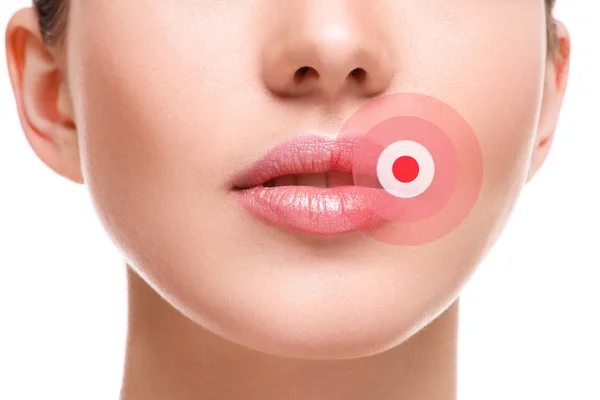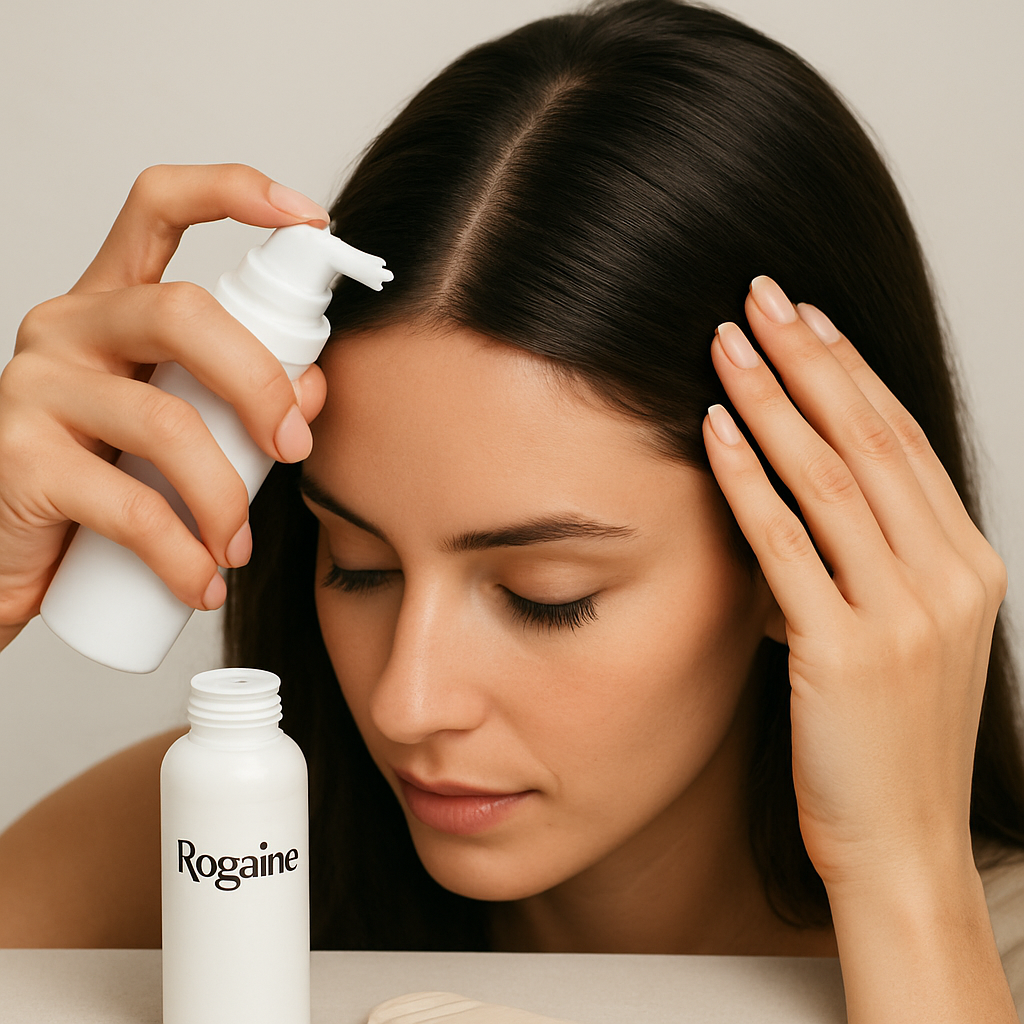
Rogaine, a popular over-the-counter treatment for hair loss, is often sought after for its potential to promote healthier hair growth. However, like all treatments, it comes with a set of potential side effects. Understanding the side effects of Rogaine can help individuals make informed decisions about its use. This article will delve into the common and less common side effects, offering insights and advice for those considering Rogaine as a part of their hair care regimen.
Understanding the Side Effects of Rogaine
Before starting any new treatment, it’s crucial to be informed about possible side effects. The side effects of Rogaine vary from person to person, depending on individual health factors and usage. While many users experience minimal to no complications, others may encounter certain challenges.
- Common side effects include itching and scalp irritation. These reactions are usually mild and can often be managed by adjusting the application amount or frequency.
- Some users might notice unwanted facial hair growth. This is typically due to accidental spread of the product beyond the scalp. Careful application can minimize this risk.
- In rare cases, users can experience an increased heart rate and dizzy spells. It’s important to consult a healthcare professional if these symptoms occur.
Managing Rogaine Side Effects
Experiencing side effects can be unnerving, but there are ways to manage them effectively. If the scalp becomes too dry or starts to flake, consider using a hydrating shampoo or conditioner. Implementing a consistent skincare routine for the scalp may help reduce irritation. For those dealing with unwanted hair growth, precise application and washing hands thoroughly after use can be beneficial.
When to Seek Medical Advice
While most side effects are manageable at home, some scenarios warrant professional consultation. For example, if you experience chest pain, dizziness, or severe scalp irritation, it’s essential to seek medical advice promptly. Doctors can provide guidance tailored to your health needs and may suggest alternative solutions if needed.
Insights on Hair Loss Treatments
Rogaine isn’t the only option for those seeking to combat hair loss. There are other treatments and preventive measures to consider, including lifestyle adjustments and dietary changes. Understanding the connection between health and hair can broaden your approach to hair care. For additional insights on hair health, visit our article on the impact of steroids on hair loss.
Alternative treatments may also involve prescription medications. However, these often come with their own set of side effects and may require ongoing medical supervision. Always discuss these options with a healthcare provider to ensure they’re appropriate for your circumstances.
The Role of Lifestyle in Hair Health
Emphasizing a healthy lifestyle can support any hair treatment plan. A balanced diet rich in vitamins and minerals plays a significant role in maintaining strong, healthy hair. Regular exercise and stress management can also contribute to overall well-being and hair health.
For more health tips and balanced lifestyle strategies, this Wikipedia article on health offers a comprehensive overview.
Final Thoughts on Rogaine and Its Side Effects
Understanding the side effects of Rogaine is key to making an informed decision about its use. While effective for many, it’s important to weigh the benefits against potential side effects and consult healthcare professionals as needed. The journey to healthier hair is personal and varies for everyone, and patience, along with proper care, often brings the best results.
- Rogaine is a widely used treatment for hair loss, known for its effectiveness.
- Potential side effects include scalp irritation and changes in heart rate.
- Consult a healthcare provider if you experience severe side effects.
- Proper application can minimize unwanted side effects.
- Lifestyle changes can enhance hair health alongside treatments.
FAQ
What is Rogaine?
Rogaine is a topical treatment for hair loss that contains the active ingredient minoxidil. It’s designed to stimulate hair follicles and promote new hair growth.
Can Rogaine cause serious side effects?
While most side effects are mild, serious side effects like increased heart rate or dizziness can occur in rare cases. It’s important to contact a healthcare professional if such symptoms arise.
How can I reduce the risk of side effects with Rogaine?
To reduce risks, apply Rogaine as recommended and avoid getting it on areas other than the scalp. Washing hands after application is also important to prevent unwanted hair growth elsewhere.
Is Rogaine suitable for everyone?
Not everyone should use Rogaine. It’s best suited for certain types of hair loss and may not be effective or safe for all users, especially those with certain medical conditions.
What should I do if I experience side effects from Rogaine?
If you experience side effects, discontinue use and consult a healthcare provider to discuss symptoms and potential alternative treatments.