The term “asian fade” is gaining popularity among beauty and grooming enthusiasts worldwide. This hair styling technique, which has roots in traditional Asian barbering methods, promises a polished and versatile look. The asian fade is not only about achieving a specific hairstyle but also about celebrating and embracing diverse cultural aesthetics in grooming practices.
Understanding the Asian Fade
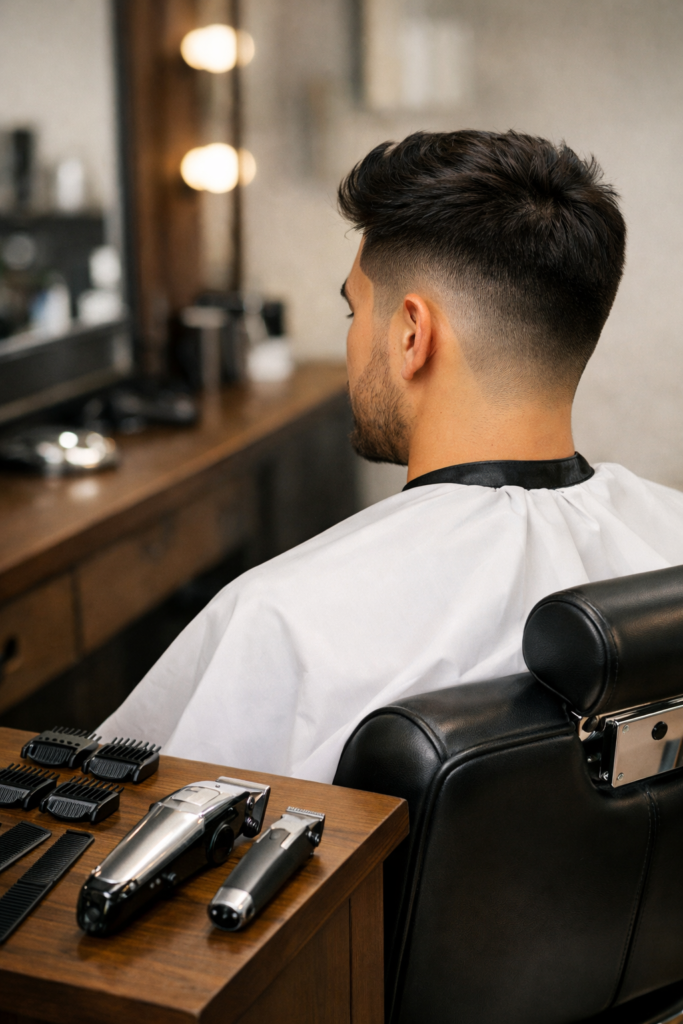
The asian fade is a blend of advanced cutting techniques that involves a gradual transition of hair length on the sides and back, seamlessly blending into longer hair on the top. This style offers a versatile appearance that works well with various hair textures and lengths, making it a popular choice for individuals looking for a sophisticated yet effortless look.
This haircut can be tailored to suit personal preferences, with variations ranging from a low fade—which leaves more hair on the sides—to a high fade, which features a more dramatic contrast. Choosing the right type of fade largely depends on personal style, hair type, and face shape.
How to Achieve the Perfect Asian Fade
Achieving the perfect asian fade requires precision and expertise. It is recommended to seek professional services from a stylist familiar with this technique. The process involves several key steps, including:
- Consultation: Discuss your style goals with your barber or stylist, considering factors such as your face shape, hair texture, and lifestyle.
- Precision Cutting: The fade is achieved through clippering techniques that require a steady hand and attention to detail. The transition from short to long hair should be smooth and seamless.
- Customization: Your stylist may use scissors to add texture or style the top of the hair for additional flair, ensuring your cut suits your individual look.
Maintaining an asian fade requires regular trims and proper hair care. It is not only about the haircut itself but also how you style and care for your hair daily. For tips on choosing the right coloring options to complement your fade, check out our guide on hair color shades for cool skin tones.
The Cultural Significance of the Asian Fade
While the asian fade is a modern hairstyle, its cultural roots run deep. This technique reflects the rich heritage of Asian barbering practices and highlights the intricate artistry involved in traditional grooming methods. It exemplifies a blend of precision, style, and cultural pride, making it a unique addition to global beauty trends.
Popular Variations of the Asian Fade
The flexibility of the asian fade allows for numerous variations that can be tailored to suit different preferences. Some popular variations include:
- Classic Low Fade: This version provides a subtle transition, ideal for those new to fades or who prefer a more conservative look.
- Skin Fade: The sides are clipped down to the skin, creating a bold, edgy contrast with the longer hair on top.
- Temple Fade: This variation focuses on fading the temples and sideburns, offering a sharp, modern touch.
Incorporating the Asian Fade into Your Style
To fully embrace the asian fade, consider how this style integrates into your overall look. Factors such as wardrobe choices, grooming habits, and personal expression all play a part in making the fade work for you.
For men and women alike, the asian fade serves as an avenue for creative expression, providing the freedom to experiment with styles that range from business-appropriate to fashion-forward. This adaptability ensures that the asian fade remains a relevant and sought-after choice in personal grooming.
As with any hairstyle, ensuring your hair is healthy and well-cared-for can significantly impact your overall appearance. Regular conditioning, using the right styling products, and protecting your hair from damage are essential steps in maintaining a vibrant and polished look.
For more information on skincare and health related to hair and beauty, consider exploring resources such as Wikipedia’s hair care page for informative guidance.
Conclusion
The asian fade stands out as a versatile and stylish option that celebrates cultural heritage while offering modern-day appeal. By understanding and embracing this trend, you can achieve a hairstyle that is both unique and adaptable to a variety of looks. Whether you are trying it for the first time or looking to refine your current style, the asian fade offers endless possibilities for personal expression.
- The asian fade is a versatile hairstyle suitable for many hair types.
- Professional styling ensures the best results with this look.
- Regular maintenance is key to keeping your fade sharp and defined.
- Fade styles can be customized to complement personal aesthetics and preferences.
- Cultural significance of the asian fade celebrates traditional barbering methods.
FAQ
What makes the asian fade unique compared to other fade styles?
The asian fade involves a gradual transition in hair lengths, combined with a keen attention to detail, resulting in a seamless blend celebrated for its precision and cultural heritage.
Can women try an asian fade?
Absolutely, the asian fade can be adapted for women, offering a stylish and contemporary look that complements various hair types and personal styles.
How often should I get my asian fade trimmed?
For best results, it’s recommended to get your asian fade trimmed every two to three weeks to maintain its sharp and defined look.
Are there any special products needed to maintain an asian fade?
While no special products are mandatory, using quality hair care products like conditioners, pomades, and hair protectants can enhance the health and appearance of your hair.
Can an asian fade be combined with hair color?
Yes, incorporating hair color into your asian fade can add dimension and complement the style; be sure to consult with a stylist for the best color options.