When it comes to hair health, one commonly overlooked factor is the condition of the scalp. Scalp drying can lead to a host of issues such as flakiness, itching, and even hair loss. In this article, we’ll explore what causes this condition and provide effective tips for revitalizing your hair and restoring your scalp’s balance.
Understanding Scalp Drying
Scalp drying occurs when the scalp loses its natural moisture. This can result from several factors including environmental conditions, overuse of harsh hair products, and inadequate hydration. A dry scalp not only feels uncomfortable but can also affect the overall appearance and health of your hair. Understanding the causes is essential to addressing the issue effectively.
Causes of Scalp Drying
- Environmental Factors: Changes in weather, especially cold, dry air, and exposure to the sun, can strip your scalp of essential oils.
- Product Use: Using shampoos and styling products that contain alcohol and sulfates can exacerbate dryness.
- Dehydration: Not drinking enough water affects the hydration of your skin and scalp.
- Health Conditions: Conditions such as eczema and psoriasis may contribute to a dry scalp.
Tips to Combat Scalp Dryness
Fortunately, there are several methods to alleviate scalp dryness:
- Hydrate: Drinking adequate water daily can help maintain scalp moisture.
- Choose the Right Shampoo: Opt for hydrating, sulfate-free shampoos. For more ideas on product choices, explore our guide on choosing the best hair washing products.
- Exfoliate: Gently exfoliate your scalp to remove dead skin cells, which allows for better moisture absorption.
- Limit Heat Styling: Reduce the use of blow dryers and straighteners, which can further dry out your scalp.
Nutritional Support for Scalp Health
Your diet also plays a crucial role in maintaining a healthy scalp. Consuming a balanced diet rich in omega-3 fatty acids, vitamins A, C, and E, and zinc may support your scalp’s health. These nutrients can be found in foods like fish, nuts, and leafy greens.
For further details on managing scalp dryness through nutrition, visit this resource on nutrient-rich diets from Wikipedia.
When to Consult a Dermatologist
If you notice persistent scalp issues despite making lifestyle and product changes, consider consulting a dermatologist. They can help determine whether a skin condition like dandruff or psoriasis might be contributing to your scalp dryness and may recommend specific treatments.
Natural Remedies to Restore Balance
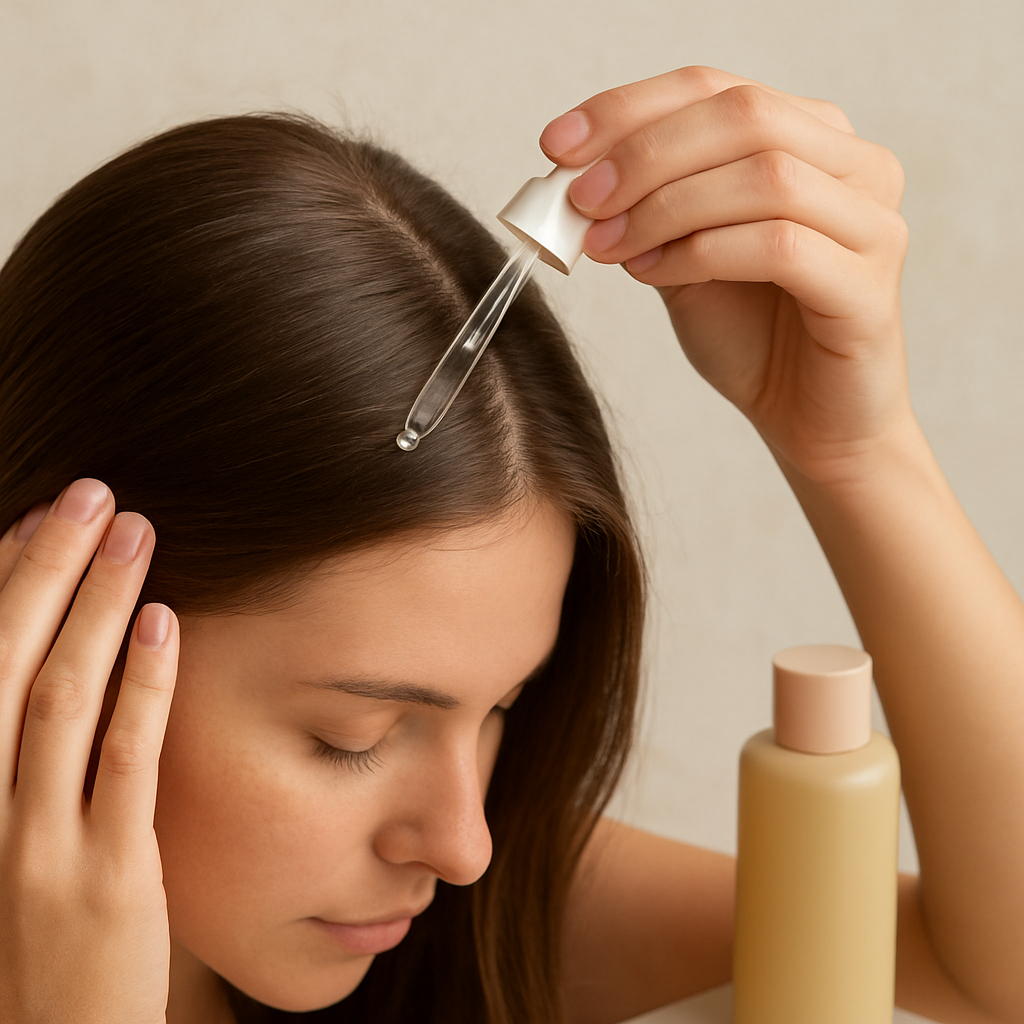
Natural oils such as coconut oil, argan oil, and olive oil can be effective at moisturizing a dry scalp. Applying warm oil and massaging it gently into your scalp can help lock in moisture. Additionally, ingredients like aloe vera and tea tree oil are known for their soothing properties.
Remember that while home remedies can be beneficial, results vary from person to person. It’s a good idea to patch test any new oil or product on a small area of skin to ensure you do not develop an allergic reaction.
Final Thoughts on Scalp Drying
Scalp drying may seem like a minor inconvenience, but addressing it can significantly impact your hair’s health and appearance. By identifying and managing the factors that contribute to dryness, you can revitalize your hair and restore your scalp’s natural balance.
- Environment, products, and hydration are key scalp drying factors.
- Hydration, suitable products, and nutrition can combat dryness.
- Natural oils provide moisture and soothe the scalp.
- Consult a dermatologist for persistent scalp conditions.
- Lifestyle changes can significantly improve scalp health.
FAQs
What are the common signs of a dry scalp?
Common signs include itching, flakiness, and a feeling of tightness on the scalp.
How often should I wash my hair if I have a dry scalp?
Depending on your hair type, washing 2-3 times a week with a hydrating shampoo is generally recommended, but individual needs may vary.
Can stress cause scalp dryness?
Stress can contribute to scalp conditions, including dryness, by affecting hormone levels and immune responses.
Are there any foods I should avoid to prevent scalp dryness?
Avoiding excessive alcohol and caffeine intake, which can lead to dehydration, may help in maintaining scalp moisture balance.
What role does air quality play in scalp health?
Poor air quality can increase scalp irritation and dryness due to pollutants. Using a humidifier indoors may help mitigate this effect.