Recovering from a hair transplant involves care and patience, especially when it comes to managing hair transplant scabs. These scabs form as your body heals and are a natural part of the recovery process. Knowing how to handle them effectively can help ensure a smooth recovery and optimal results.
Understanding Hair Transplant Scabs
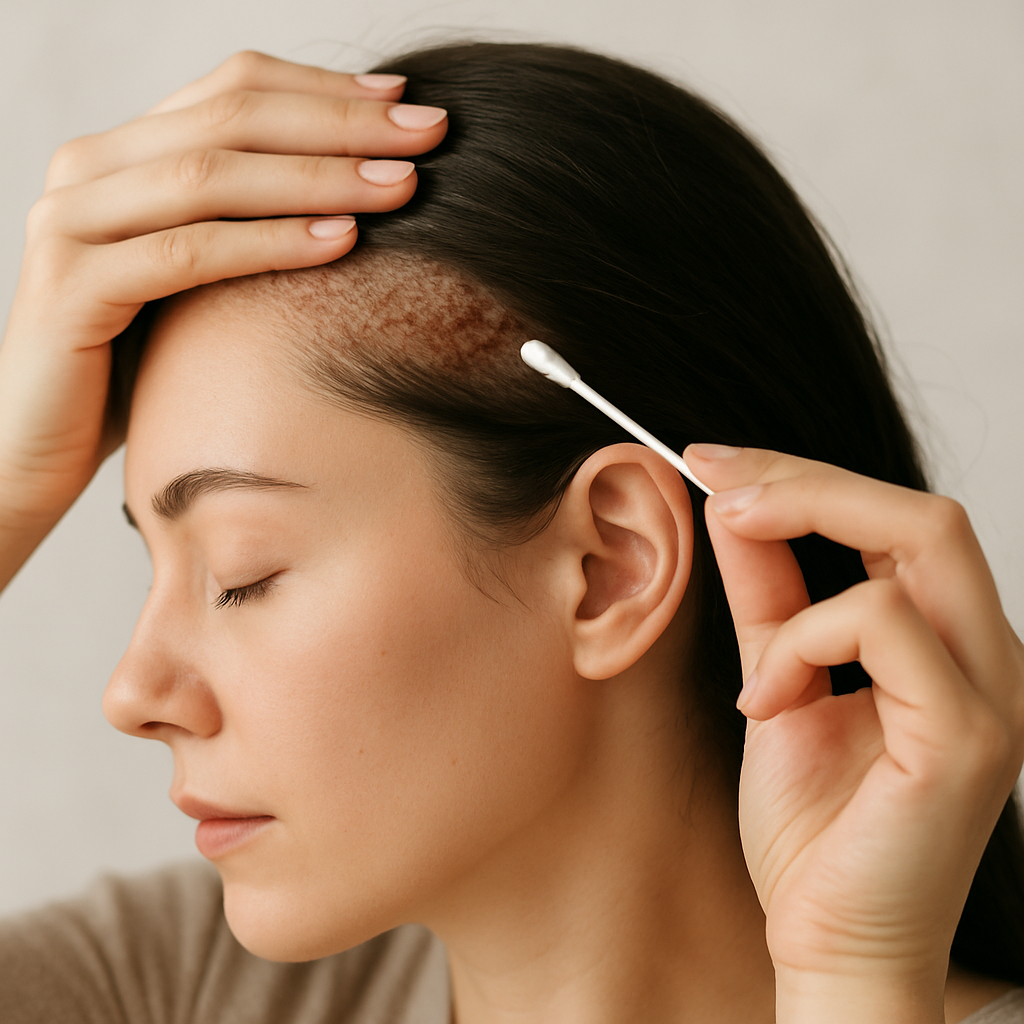
Scabs form after a hair transplant as a result of the surgical incisions made during the procedure. These small crusts are a protective barrier that help the skin heal. It’s crucial to allow them to fall off naturally rather than picking at them, as forcing them off can jeopardize both healing and new hair growth.
Why Do Scabs Form After a Hair Transplant?
The formation of scabs is a natural response to the minor cuts made on the scalp during the transplant. This is similar to how the skin heals after minor injuries elsewhere on the body. The scabs help protect the area from bacteria and debris, lowering the risk of infection.
Duration of Scab Formation
Typically, hair transplant scabs start to form 24 to 72 hours post-procedure. They usually begin to fall off after a week or so. By 10 to 14 days post-surgery, most of the scabs should have naturally detached, although this can vary depending on individual healing rates.
Effective Care Tips for Hair Transplant Scabs
Taking the right steps before and after your hair transplant can significantly impact how well you manage scabs.
Before the Procedure
- Follow your surgeon’s pre-operative instructions to prepare your scalp for the procedure.
- Discuss any medications you are taking as some could influence bleeding or healing.
- Stop smoking at least a week before the procedure, as smoking can impair blood flow and healing.
After the Procedure
- Follow post-operative care instructions carefully to promote healing.
- Avoid picking or scratching at scabs to prevent dislodging transplanted grafts.
- Use recommended shampoos gently to clean your scalp without disturbing the scabs.
- Stay hydrated and eat a balanced diet to support overall healing.
Handling Scabs Gently
Being gentle is key when dealing with hair transplant scabs. Use fingertips instead of nails when washing your scalp, and opt for a mild shampoo. Avoid heavy activities that may cause excessive sweating, which can loosen scabs too early.
When to Contact Your Surgeon
If your scabs show signs of infection, such as excessive redness, swelling, or pus, contact your surgeon immediately. They might recommend an appropriate treatment to mitigate complications and maintain recovery progress.
Further, understanding the potential effects of medications such as steroids on hair health can be valuable. For more information, explore our guide on steroids and hair health.
Long-term Scalp and Hair Care
Even after the scabs have fallen off, maintaining good scalp health is essential for nurturing new hair growth. Continue with the recommended hair-care regimen for sustained scalp wellness.
Regular follow-up visits with your surgeon can help monitor progress and address any concerns that arise during your recovery.
For more comprehensive insights into health and recovery, visit this detailed health resource.
Ultimately, understanding and caring for hair transplant scabs is fundamental to achieving the best outcome from your procedure. Following your surgeon’s advice and being patient with the process will facilitate a smooth recovery, leading you to the fuller head of hair you desire.
- Scabs are a natural part of the healing process following hair transplants.
- Allow scabs to fall off naturally to avoid damaging new hair grafts.
- Gentle care and proper hygiene are crucial during the recovery period.
- Contact your surgeon if you notice unusual signs around the affected area.
- Continue good scalp care practices to support new hair growth long term.
What are hair transplant scabs?
Hair transplant scabs are crusts that form on the scalp after hair transplant surgery as part of the natural healing process.
How long do hair transplant scabs last?
Scabs generally last about 7 to 14 days, falling off naturally as the scalp heals.
Can I wash my hair after a transplant?
Follow your surgeon’s instructions, but typically, gentle washing can begin a few days post-operation using special shampoos.
Are there risks if I pick at the scabs?
Yes, picking or scratching can dislodge the grafts and may lead to infection, impairing the healing process.
How do I know if my scabs are infected?
Signs of infection include severe redness, swelling, and pus. If you notice these, contact your surgeon promptly.