The quest for fuller, natural-looking hair has led many to explore innovative solutions. Among these, the DHI hair transplant technique stands out for its precision and effectiveness. By directly implanting hair follicles into the scalp, this method promises a more refined approach to hair restoration. Whether you’re seeking to reclaim lost hair density or refine your hairline, understanding the DHI process can be transformative in your journey towards revitalized hair.
What is DHI Hair Transplant?
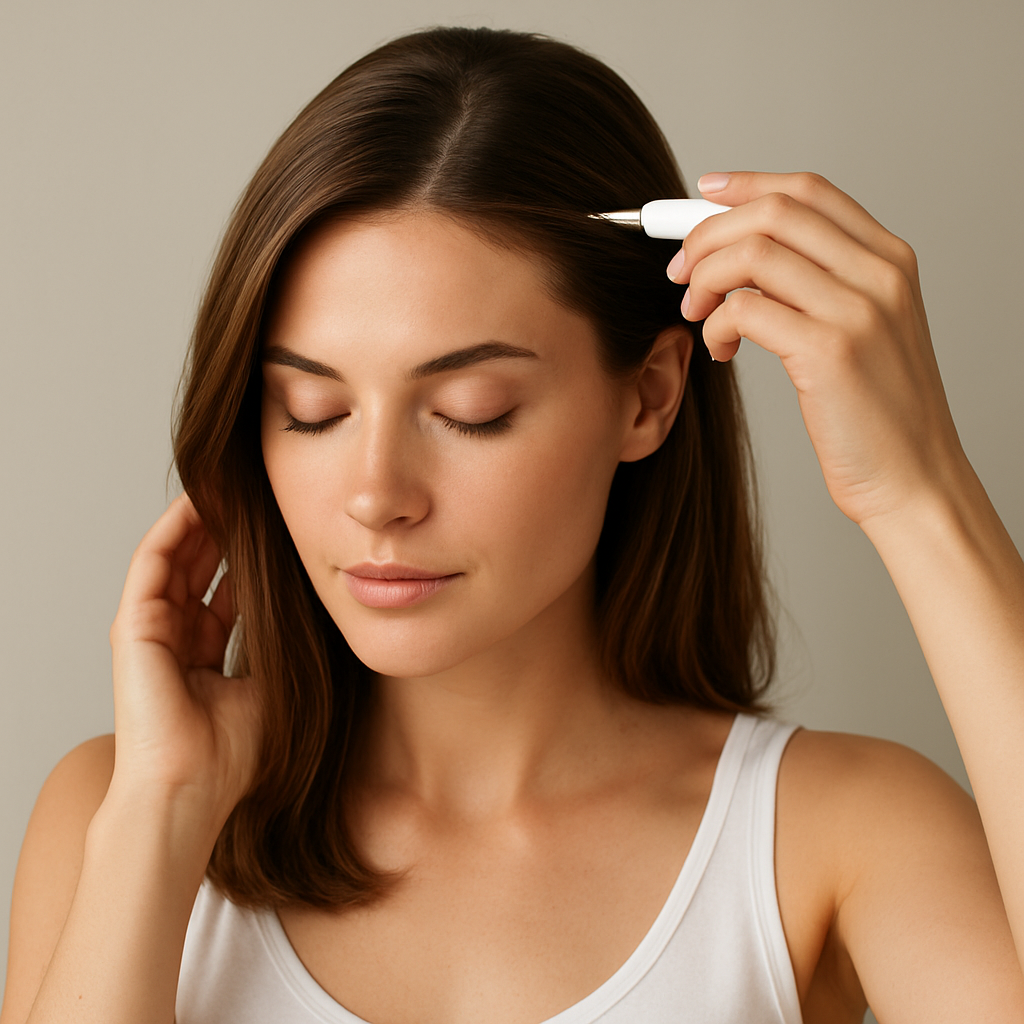
DHI, or Direct Hair Implantation, is a surgical hair restoration technique that enhances the traditional process of implanting hair follicles. Unlike other methods, the DHI hair transplant uses a specialized pen-like tool, known as a Choi Implanter Pen, to insert hair follicles directly into the scalp without the need for prior incisions. This reduces trauma to the scalp and speeds up the recovery process, allowing for more natural results.
How Does the DHI Technique Differ from Other Methods?
The DHI technique distinguishes itself by eliminating the separate incision and implantation steps found in other hair restoration procedures. With the Choi Implanter Pen, the process is streamlined, which not only minimizes damage to the scalp but also allows for greater control over the angle, depth, and direction of each hair follicle placement. This meticulous approach is particularly beneficial for creating natural-looking hairlines.
Benefits of DHI Hair Transplant
- Minimal scalp trauma due to the lack of incisions.
- Faster recovery time compared to traditional methods.
- Higher survival rate of implanted hair follicles.
- Greater precision in hair placement, enhancing the natural look.
- Ideal for those seeking to improve hair density or shape their hairline.
Preparing for Your DHI Hair Transplant
Preparation is critical to the success of your DHI hair transplant. Begin with a consultation with a qualified surgeon who specializes in this technique. Discuss your hair loss history, expectations, and any medical conditions. During this stage, you’ll also learn about potential side effects and the recovery timeline. It’s important to follow any preparatory guidelines provided by your surgeon to ensure optimal results.
Post-Procedure Care
Post-procedure care is essential to ensure the success of your DHI hair transplant. You’ll be advised to avoid strenuous activities and protect your scalp from direct sunlight. Additionally, follow any specific aftercare instructions related to washing and maintaining your scalp. Keeping your scalp clean and avoiding irritation is vital for supporting new hair growth and maximizing the outcome.
Understanding how certain conditions can affect hair health is also crucial. For instance, the impact of steroid usage on hair loss is an important consideration for those exploring DHI and other hair restoration methods. For more on this topic, check our article on the effects of steroids on hair loss.
Choosing the Right Clinic
When considering a DHI hair transplant, choosing the right clinic and surgeon is paramount. Look for clinics with a strong track record and seasoned professionals specializing in the DHI method. Patient testimonials and before-and-after photos can provide insight into the clinic’s expertise. Ensure that the clinic is equipped with modern technology to support the DHI technique.
To learn more about hair restoration options and the latest advancements, consult credible resources such as the Wikipedia page on hair transplantation.
The DHI hair transplant technique represents a breakthrough in restoring hair with natural results. With careful preparation, professional guidance, and proper aftercare, individuals can achieve the rejuvenation they desire. As this method continues to evolve, it remains a favored choice for many seeking to refresh their look permanently.
- The DHI technique uses a specialized tool for precise hair follicle placement.
- It offers a quick recovery time and natural-looking results.
- Preparation and aftercare are crucial to the success of the procedure.
- Choosing the right clinic is essential for optimal outcomes.
- Consult reputable sources for more information on hair restoration.
Frequently Asked Questions
What does DHI hair transplant involve?
DHI involves using a specialized tool to implant hair follicles directly into the scalp, offering precision and natural results without incisions.
How soon can I resume normal activities after a DHI procedure?
Recovery times vary, but most patients can resume normal activities within a few days, with full recovery typically within two weeks.
Are there any risks associated with DHI hair transplants?
As with any surgical procedure, there are risks such as infection or graft failure. However, these risks are minimal when performed by an experienced surgeon.
How does DHI compare to FUE hair transplants?
While both DHI and FUE involve extracting individual hair follicles, DHI employs a direct implantation method that doesn’t require scalp incisions.
Will the results of a DHI transplant look natural?
With skilled application and proper care, DHI transplants can produce highly natural-looking results, thanks to the precise implantation technique.