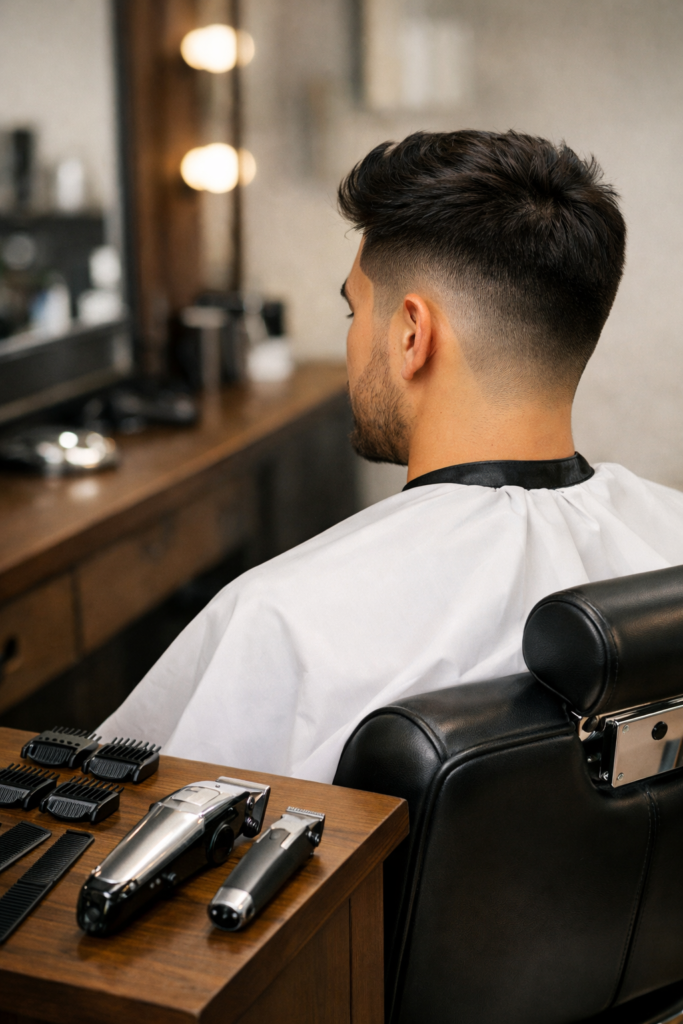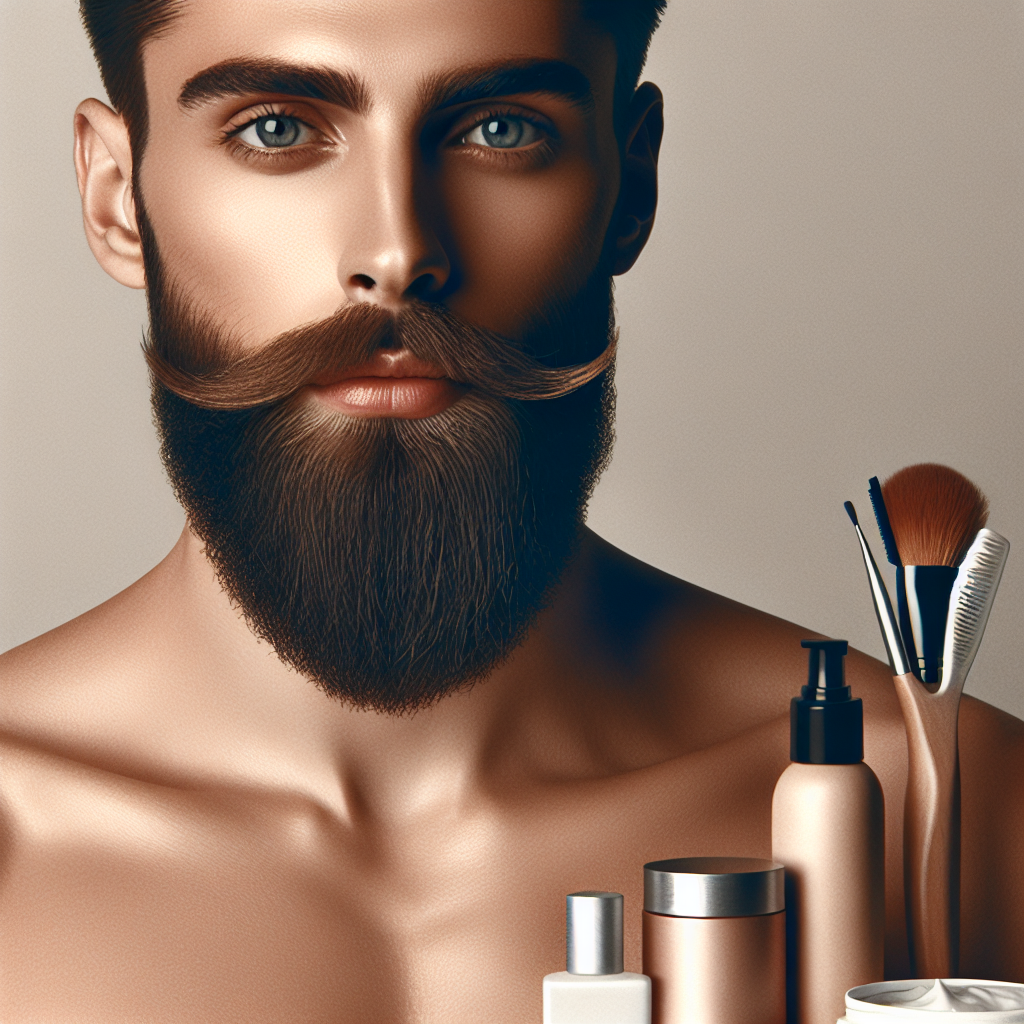
The tapered beard has become a staple in the world of men’s grooming, celebrated for its ability to provide a stylish, clean, and versatile look. Achieving the perfect tapered beard involves understanding the precise technique of trimming and fading the beard into the skin, creating a seamless transition. Whether you are a grooming enthusiast or new to beard styling, mastering this art can enhance your overall appearance and complement any facial structure.
Understanding the Tapered Beard
A tapered beard combines elements of both facial hair and precision haircut techniques. It involves gradually shortening the length of the beard hair from the fuller parts down to the jawline, allowing for a blend that naturally complements the contours of the face. This approach not only frames the face but also can make trimming maintenance easier over time.
The versatility of the tapered beard offers varied styles, from subtle and sophisticated to more defined and bold. This adaptability makes it suitable for different occasions, be it formal gatherings or casual outings.
Choosing the Right Style for Your Face
Your face shape should guide your choice of a tapered beard style. While the tapered beard is quite adaptable, some styles may flatter particular face shapes better than others. For instance, a more elongated taper can add length to rounder faces, while broader faces may benefit from a taper that starts higher on the cheeks.
Experimenting with different taper lengths and angles can help you find the style that suits your face the best. Seeking professional advice from a barber proficient in facial hair styles can also ensure you get a look that works with your unique features.
Tools of the Trade
To create the perfect tapered beard, having the right tools on hand is essential. Clippers with multiple guard settings, a sharp pair of scissors, a fine-tooth comb, and a beard trimmer with adjustable settings are must-haves.
Additionally, investing in quality beard care products, such as oils and balms, can keep your beard healthy and enhance its appearance by adding sheen and moisture.
Step-by-Step Guide to Tapering
Learning how to create a tapered beard requires patience and practice. Begin with a clean, dry beard, and follow these steps:
- Start by choosing your desired taper style. Visualize the angles and length gradient before you proceed.
- Trim the bulk: Use a longer guard setting to remove excess hair and create an even base.
- Create the taper: Gradually use shorter guard settings as you work toward the neckline, ensuring a smooth transition without harsh lines.
- Detail the edges: Employ a comb and scissors to refine and clean up the edges for a polished look.
- Maintain the taper: Regular trimming will keep your tapered beard looking fresh and well-groomed.
Maintenance Tips for a Lasting Look
Once you’ve achieved your desired tapered beard, maintenance becomes the key to keeping it looking sharp. Regularly washing and conditioning your beard can prevent dryness and brittleness. Use beard oil to maintain shine and softness, and comb daily to avoid tangles.
Frequent touch-ups on the taper lines will prevent your beard from becoming unruly. Aim for a weekly trim or visit your barber every few weeks to maintain the original line work and structure.
Complement Your Tapered Beard with Hair Color
Pairing your tapered beard with complementary hair color can create a cohesive and stylish statement. Whether you choose to enhance your natural color or opt for a bold new hue, coordinating your hair and beard tones can make a significant impact. For inspiration, explore our guide to hair color shades for cool skin tones.
Tapered Beard Styles: What’s Popular?
With the rise of customized grooming, certain tapered beard styles have become popular in recent years. The high taper, often sported by celebrities, starts close to the ear and sharply descends towards the chin, offering a defined and bold look.
The low taper, on the other hand, maintains more fullness across the face and cuts closer towards the jawline, which can be an excellent option for professional settings.
Conclusion: Embodying Confidence with Your Tapered Beard
Embracing a tapered beard means more than just following a trend; it’s about discovering a style that resonates with your natural hair growth and your personality. The journey to perfecting your tapered beard involves experimentation and meticulous grooming practices. As you advance your skills in crafting your look, you’ll find the confidence to wear your beard with pride.
Integrating a tapered beard into your grooming routine can signify a profound shift in how you present yourself to the world. Ultimately, a well-maintained beard can contribute positively to your overall self-image and health.
- The tapered beard offers a stylish and versatile look.
- Your face shape should guide your beard style choice.
- Essential tools include clippers, scissors, and combs.
- Regular maintenance is key to a polished appearance.
- Complement your beard with coordinated hair color choices.
Frequently Asked Questions
How often should I trim my tapered beard?
A regular schedule of trimming, every 1–2 weeks, helps maintain a clean taper. Your growth rate and desired style will dictate the frequency.
Can I achieve a tapered beard at home or should I see a barber?
While it’s possible to manage a tapered beard at home with the right tools and practice, visiting a barber ensures professional precision, especially if you’re still mastering the technique.
What should I do if my beard grows unevenly?
Addressing uneven growth can involve using products like beard oils to promote fullness. Regular maintenance and trimming can also help manage uneven areas.
Is there a specific beard oil that’s best for tapered beards?
While there isn’t a specific oil for tapered beards, look for products with natural ingredients that promote healthy growth and shine.
Does the shape of my face limit my options with a tapered beard?
No, face shape does not limit your options. The right taper can enhance any facial structure; customized approaches ensure a flattering outcome.