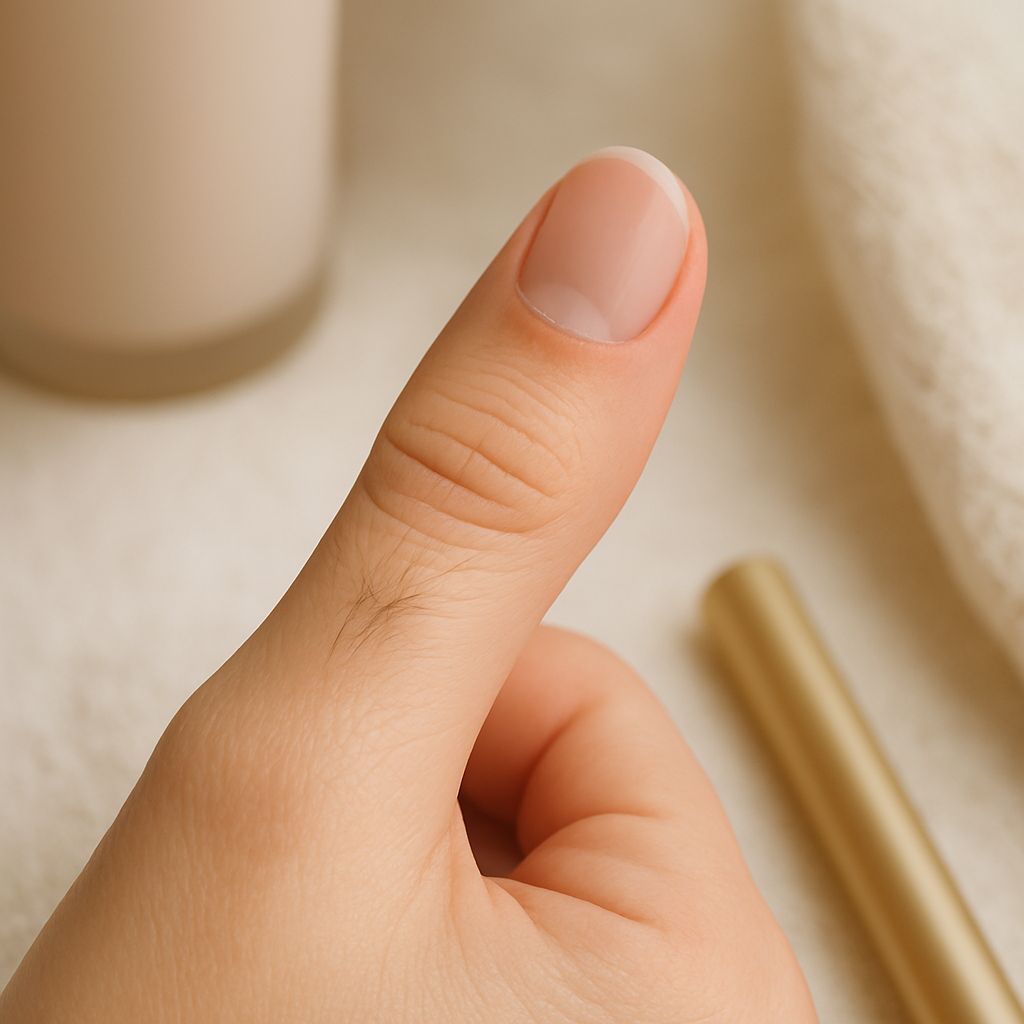
Discovering hair growing on your thumb may be surprising, especially if you’ve never noticed it before. While it might catch you off guard, understanding the reasons behind this uncommon occurrence can ease any concerns. Knowing what’s typical and when it might be worth consulting a healthcare provider is helpful for maintaining your peace of mind.
What Causes Hair Growing on Thumb?
The presence of hair growing on the thumb is often a normal variation in body hair distribution. Human bodies vary significantly, and it’s common for hair to grow in diverse and surprising locations. Hair growth in such areas can be influenced by several factors:
- Genetics: Your genetic makeup plays a crucial role in determining where hair may grow on your body. If family members have similar growth, it’s likely inherited.
- Hormonal Changes: Hormones, such as testosterone, can affect hair growth patterns. During certain life stages, like puberty, pregnancy, or menopause, hormonal fluctuations can intensify hair growth.
- Skin and Health Conditions: Occasionally, skin conditions like hypertrichosis or hormonal disorders could manifest with unusual hair growth patterns.
Are There Other Instances of Uncommon Hair Growth?
Besides hair growing on the thumb, you might notice hair in other unexpected areas such as the shoulders, toes, or neck. This is usually harmless but can sometimes cause self-consciousness. It’s essential to remember that everyone’s hair growth patterns are unique.
If you’re exploring how factors like medication might affect hair growth or loss, it’s important to be aware of the potential effects on the body aside from targeted treatment areas.
When Should You Consult a Healthcare Provider?
While hair growing on the thumb is typically nothing to worry about, there are situations where a healthcare provider may be consulted:
- Sudden changes in hair growth or a rapid increase in hair amount.
- Additional symptoms like skin rashes, weight changes, or energy level fluctuations.
- Concerns about hormonal imbalances or other underlying health issues.
Remember always to address any health concerns with a professional, who can provide personalized advice and potential treatment plans.
Managing Unwanted Hair on Your Thumb
If hair growing on the thumb becomes bothersome, several methods are available to manage it safely:
- Trimming: Using small scissors to gently trim excess hair is a simple at-home solution.
- Waxing or Depilatory Cream: These temporary hair removal techniques can provide smoother results for several weeks.
- Electrolysis or Laser Hair Removal: For those seeking permanent solutions, consider consulting with a professional about more lasting options.
Understanding Body Hair Variations
It’s crucial to acknowledge that body hair growth is highly individual and can be influenced by genetic, hormonal, and environmental factors. Embracing personal uniqueness and understanding the variations can lead to greater self-acceptance.
Are There Potential Underlying Conditions?
In rare cases, excessive hair growth might indicate underlying conditions such as hirsutism, which involves excessive hair growth in women in areas typically reserved for male-type hair. Such cases often require medical evaluation to determine the hormonal or genetic factors involved. A comprehensive overview from a trusted source can be found on Wikipedia’s health page.
Natural Remedies and Lifestyle Changes
While no natural remedy can permanently remove unwanted hair, some people explore dietary changes, herbal supplements, or topical solutions. It’s crucial for anyone considering these options to research and consult with a healthcare provider to ensure safety and efficacy.
Many remedies, such as spearmint tea, are thought to have anti-androgenic properties, potentially influencing hormone levels. Yet, scientific evidence supporting these methods remains limited.
Final Thoughts on Hair Growing on Thumb
Ultimately, hair growing on the thumb is usually a normal variation in human anatomy. Recognizing the diversity in human bodies can help mitigate any apprehension about your unique characteristics. If there’s any concern for a more serious underlying condition, consulting with a healthcare professional is always the best course of action.
- Hair growth can naturally occur on the thumb due to genetic and hormonal factors.
- Managing unwanted hair can be achieved through various temporary or permanent methods.
- Sudden or unusual changes in hair growth may warrant a healthcare provider’s evaluation.
- Embracing body hair variations can lead to a better understanding and acceptance of personal uniqueness.
- Explore professional advice if considering lifestyle changes for managing hair growth.
What should I do if I notice hair growing on my thumb?
If the hair growth concerns you or is accompanied by other symptoms, consult a healthcare provider to rule out any potential underlying issues.
Is hair growing on the thumb common?
While not extremely common, hair growth on the thumb is usually a harmless, natural variation that can occur due to genetic and hormonal factors.
Can hair on your thumb indicate a health problem?
In most cases, hair on the thumb does not indicate a health problem. However, if you notice significant growth or other accompanying symptoms, it’s advisable to seek medical opinion.
Can I remove hair from my thumb safely?
Yes, hair can be safely removed from the thumb using methods like trimming, waxing, or seeking professional procedures such as laser hair removal.
What are potential signs that hair growth might signal a hormonal imbalance?
Signs of hormonal imbalance may include sudden hair growth, menstrual irregularities, unexplained weight gain, or acne. If you experience these symptoms, consult a healthcare provider for advice.