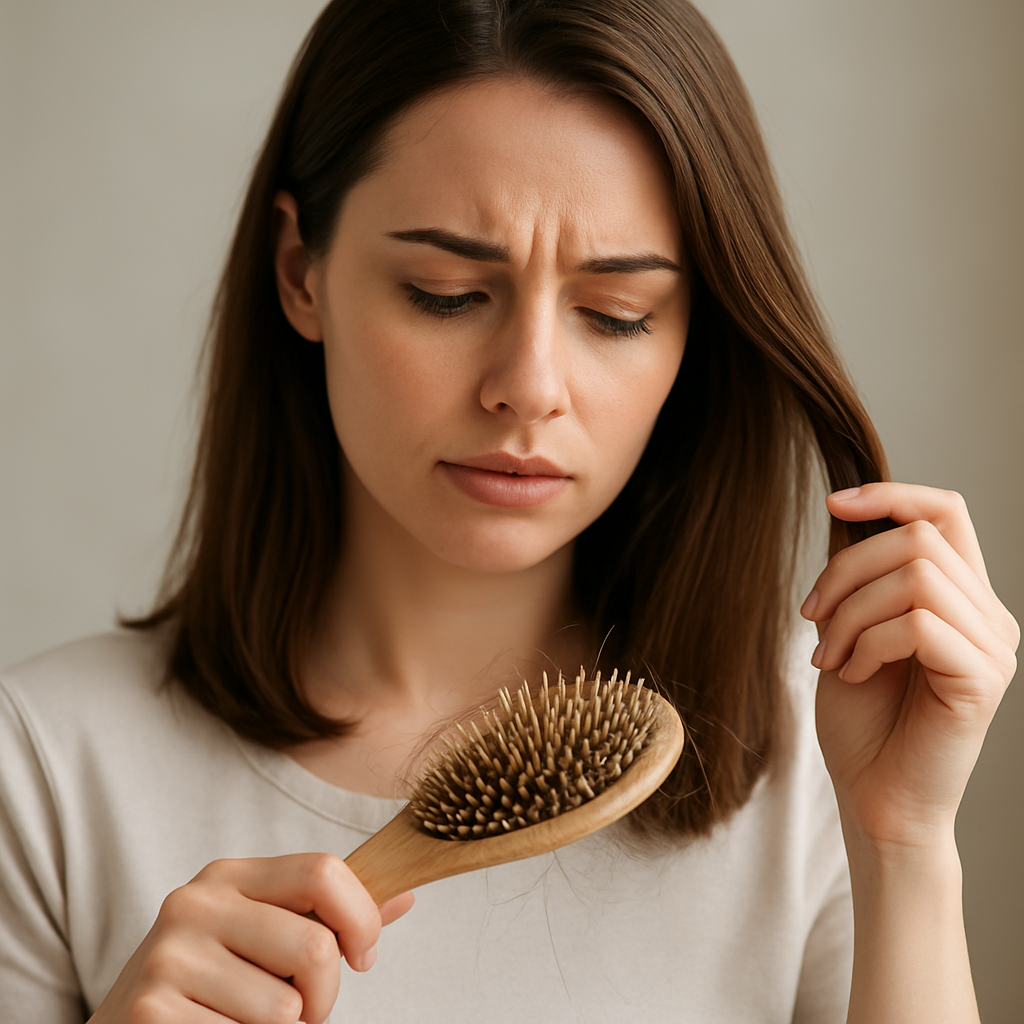
Many people concerned about maintaining their luscious locks often question, can B12 deficiency cause hair loss? Vitamin B12, a vital nutrient, plays a crucial role in cell division and healthy growth, including hair. While several factors can contribute to hair thinning, a deficiency in B12 is one potential cause that deserves attention.
Can B12 Deficiency Cause Hair Loss?
Vitamin B12 is essential for the production of red blood cells. These cells are responsible for delivering oxygen to various parts of the body, including the hair follicles. Lack of sufficient B12 can lead to reduced oxygenation, affecting hair health and potentially resulting in hair loss.
Common symptoms of B12 deficiency include fatigue, weakness, and neurological issues. Hair loss may signal an underlying deficiency. Addressing the deficiency through dietary changes or supplements can be instrumental in reversing hair thinning associated with B12 deficiency.
Understanding B12 and Its Role
B12, or cobalamin, is critical for maintaining nerve health, forming red blood cells, and synthesizing DNA. It’s predominantly found in animal products, such as meat, eggs, and dairy. Those following a vegetarian or vegan diet, older adults, and individuals with absorption issues might be at higher risk of B12 deficiency.
If you’re curious about enhancing your wellbeing through B12, learn more about its benefits by visiting our article on Why Vitamin B12 Injections Are Essential for Well-being.
Does B12 Deficiency Cause Hair Loss in Everyone?
Not everyone with a B12 deficiency will experience hair loss. Hair health is influenced by genetics, stress levels, hormonal changes, and other nutrient deficiencies. Therefore, while B12 deficiency may play a role, it’s typically a combination of factors contributing to hair loss.
Nevertheless, for those who have hair loss coupled with signs like numbness in extremities, memory problems, or anemia, consulting a healthcare professional for a proper diagnosis and treatment plan is important.
How to Address B12 Deficiency
Addressing a B12 deficiency often involves dietary adjustments or supplementation. Foods rich in B12 include beef liver, clams, fortified cereals, and dairy products. For those unable to meet their needs through diet alone, supplements or fortified foods can be effective solutions.
In some cases, particularly where absorption is an issue, B12 injections may be recommended by a healthcare provider to quickly elevate B12 levels. For detailed guidance, consulting with a healthcare professional is advisable.
Scientific Insights on B12 and Hair Health
Scientific studies exploring the connection between B12 deficiency and hair loss suggest a possible link, but further research is required. While preliminary findings are encouraging, it’s important to approach claims critically and prioritise overall nutritional health.
A comprehensive study on nutrition and hair health published in academic journals highlights the significance of maintaining a balanced diet for optimal hair health. Researchers emphasize that while B12 is vital, other nutrients like iron, zinc, and biotin are also crucial.
Consulting Healthcare Professionals
If you suspect a B12 deficiency could be impacting your hair, consult with a healthcare provider. Blood tests can determine your B12 levels, enabling tailored treatment approaches. Professional guidance ensures safe and effective management of deficiency-related symptoms.
Ultimately, the question remains: can B12 deficiency cause hair loss? While evidence supports the link, individual experiences will vary. A thorough investigation into diet, health status, and lifestyle can offer insight into hair health challenges, guiding potential solutions.
- B12 plays a crucial role in red blood cell production and hair health.
- Those with dietary restrictions may be at a higher risk of B12 deficiency.
- Addressing B12 deficiency with diet or supplements may help prevent hair loss.
- Consulting healthcare professionals is important for proper diagnosis and treatment.
- Balanced nutrition is key to overall hair health.
Is B12 Deficiency Common?
B12 deficiency is not very common, but certain groups, like vegans and older adults, are more prone due to dietary habits and absorption issues.
What Are the Symptoms of B12 Deficiency?
Symptoms can include fatigue, weakness, numbness in extremities, memory problems, and sometimes hair loss. It’s important to consult a healthcare professional for accurate diagnosis.
Can Diet Alone Correct a B12 Deficiency?
In some cases, a diet rich in B12 can address the deficiency. However, for those with absorption issues, supplements or injections may be necessary.
Does Everyone with Hair Loss Have a B12 Deficiency?
No, not all hair loss is due to B12 deficiency. Other factors like genetics, stress, and other nutritional deficiencies can also contribute.
Are B12 Supplements Safe?
B12 supplements are generally safe for most people, but it’s advisable to consult with a healthcare provider to determine the appropriate dosage and form based on individual needs.