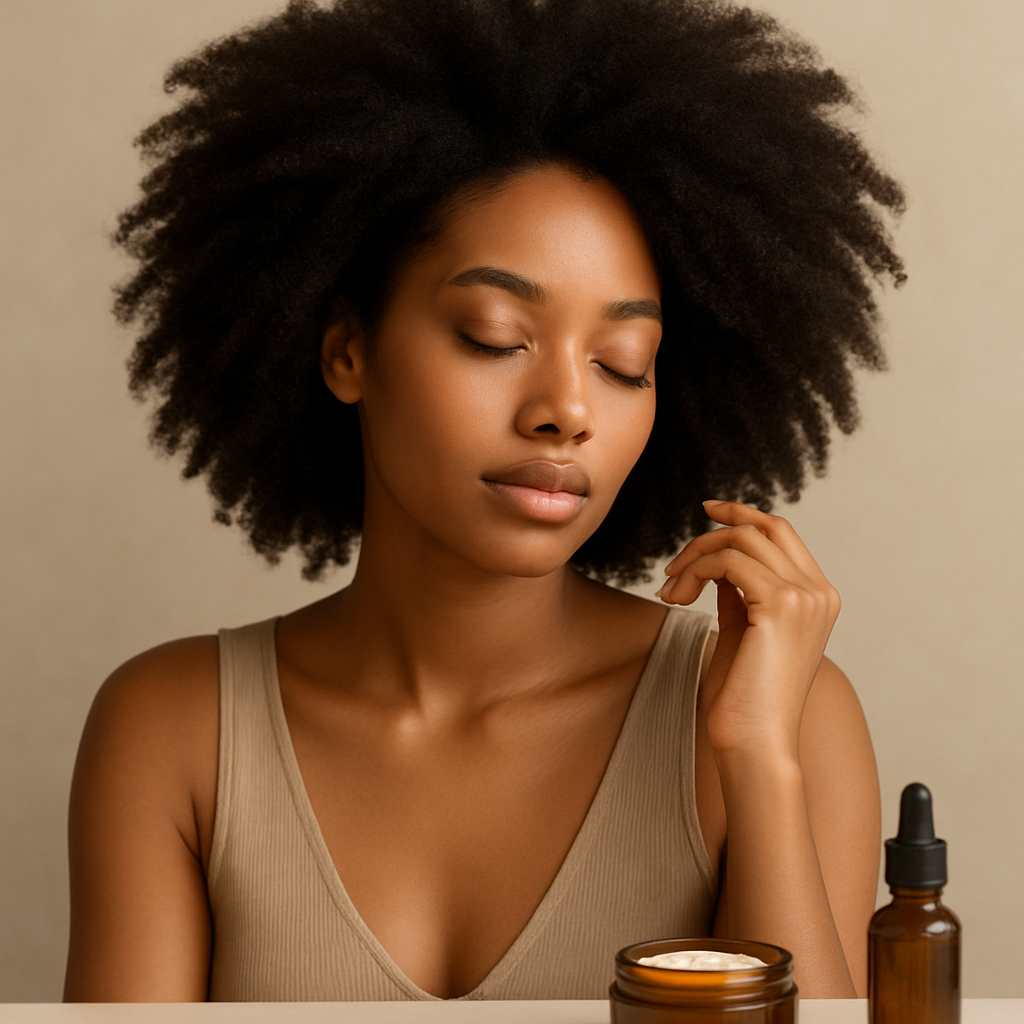
There’s something truly captivating about afro hair do styles. Emblematic of both cultural identity and personal expression, afro hairstyles celebrate the beauty and versatility of natural hair textures. Whether you are new to the world of Afro-centric hairdos or a seasoned enthusiast looking for fresh ideas, understanding afro hair care and styling will help you embrace every curl and coil with confidence.
The Versatility of Afro Hair Do
Afro hair is inherently versatile, offering a myriad of styling opportunities to suit any personality and occasion. From bold statement pieces to subtler looks, the possibilities are endless. Here, we explore some popular afro hairstyles and how you can achieve them.
The Iconic Afro
The afro is a timeless classic that exudes boldness and style. To achieve this look, start with clean, damp hair. Moisturize your hair using a leave-in conditioner and apply a styling cream. Using a wide-tooth comb or afro pick, gently detangle your hair from the roots to the tips, creating volume as you go. If you’re curious about selecting the right tools for styling, check out our guide on what kind of hairbrush to use.
Cornrows and Braids
Cornrows are not only stylish but also practical as they protect your hair and help it grow longer. Start by sectioning your hair into desired rows. Apply a small amount of gel to each section to ensure smoothness. Braid tightly against the scalp, maintaining an even tension to avoid discomfort. Braids can be styled straight back, in intricate patterns, or topped off with beads for added flair.
Twist Outs and Bantu Knots
For those who love defined curls, twist outs and Bantu knots are excellent choices. To execute a twist out, part your hair into sections and apply a curl-defining cream. Twist each section tightly and allow it to dry completely before unraveling. Bantu knots involve twisting sections of hair and wrapping them into small knots that can be kept overnight for best results.
Embracing Natural Texture
Working with the natural texture of afro hair is key to maintaining its health and enhancing each style’s beauty. To keep the hair moisturized and healthy, invest in a good conditioner and use natural oils like coconut or argan oil. Regular trimming and protective hairstyles will also aid in reducing breakage and promoting growth.
Protective Styles
Protective hairstyles not only look great but also reduce damage from environmental elements. Styles such as box braids, Senegalese twists, and faux locs secure the hair, locking in moisture and allowing it to grow with minimal manipulation. Remember to keep these styles clean and do not leave them in for too long to avoid matting.
Hair Care Tips
Caring for afro hair requires gentle handling and consistent moisturizing. Washing your hair with a sulfate-free shampoo prevents dryness. When drying, opt for a microfiber towel or a cotton t-shirt to prevent frizz. It’s important to know that proper detangling tools are critical for preserving your natural beauty.
Celebrating Afro Hair Do Culture
The culture behind afro hairstyles is rich and diverse, representing more than just a beauty statement. It is a tribute to heritage and personal identity. Whether you choose to rock the voluminous afro, intricate braids, or sleek protective styles, make sure to celebrate your uniqueness.
To delve deeper into the cultural significance and origins of afro hairstyles, visit this informative Wikipedia page.
By understanding and embracing the afro hair do, you are not just wearing a style, but also acknowledging the vibrant history and stories embedded within these hairstyles. Showcasing your natural curls signifies pride and respect for the past while influencing the future of beauty standards.
- Afro hairstyles are diverse and exude personality and culture.
- Regular moisturizing and protective styles enhance hair health.
- Appropriate tools and products protect and style afro hair effectively.
- Cultural significance plays a significant role in afro hairstyles.
- Embracing your natural texture leads to confidence and empowerment.
What is the primary purpose of an afro hair do?
The afro hair do is primarily about celebrating natural hair texture, embracing cultural identity, and expressing individual style through various creative and protective hairstyles.
How do I maintain moisture in afro hair?
To maintain moisture, use a leave-in conditioner regularly, apply natural oils like coconut or jojoba, and avoid washing the hair too frequently with harsh shampoos. Protective styles and the use of a satin or silk pillowcase can also help retain moisture.
What are the benefits of protective hairstyles for afro hair?
Protective hairstyles safeguard the hair from environmental damage, reduce breakage, promote growth, and can make managing afro textures more convenient by reducing the need for daily styling.
Are Afro hairstyles suitable for formal occasions?
Yes, afro hairstyles are versatile enough to be styled elegantly for formal occasions. Whether you choose a sleek updo, neat cornrows, or accessorized twists, these styles can be tailored to suit any formal setting.
Why is it essential to use the right hair tools for afro hair?
Using the right hair tools ensures that afro hair is treated gently, reducing the risk of breakage and damage. Proper tools help in detangling, stretching, and styling the hair effectively, preserving its natural beauty and health.