Scalp sores can be an uncomfortable and sometimes worrying condition for many people. These sores can arise from various causes, such as allergic reactions, infections, or chronic skin conditions like psoriasis or eczema. Identifying these issues can help in managing symptoms effectively and ensuring that your scalp and hair remain healthy.
Understanding Scalp Sores
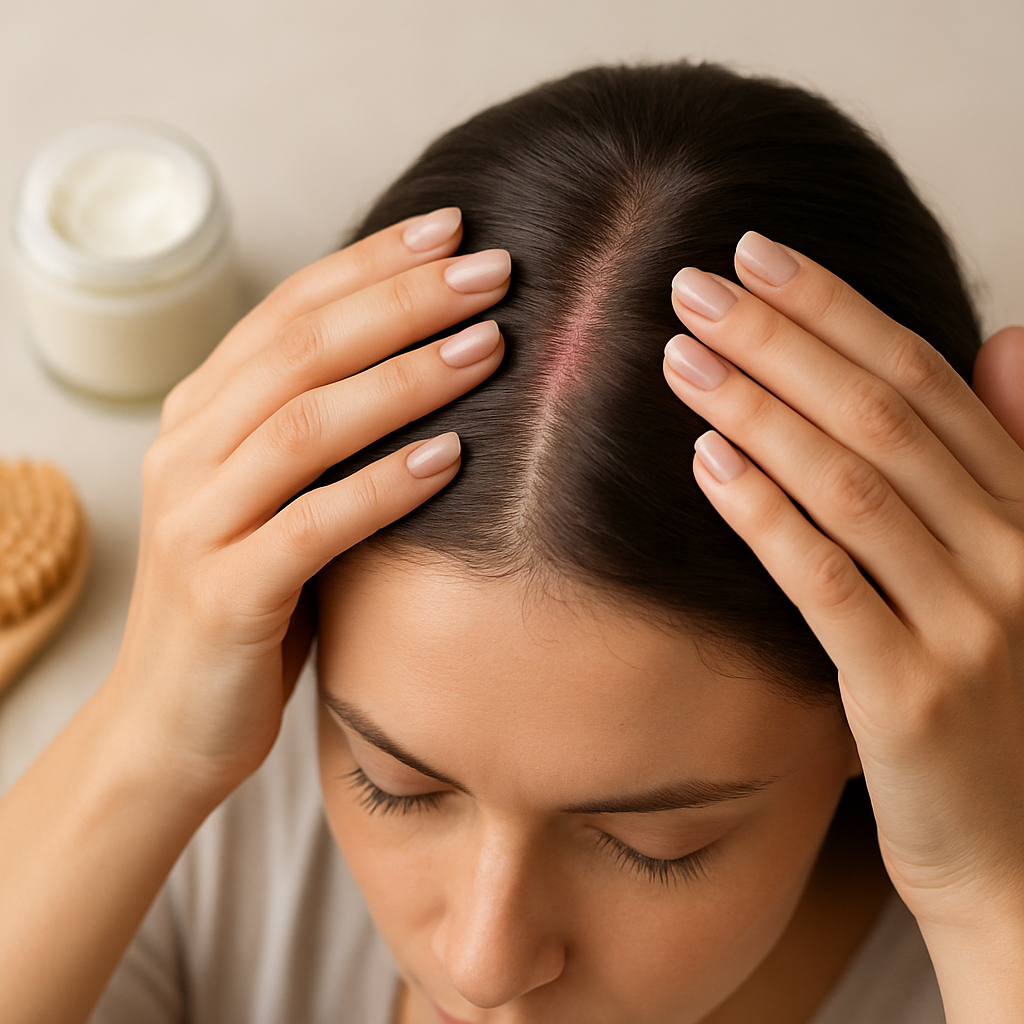
Scalp sores can manifest in different forms, ranging from small, red, itchy bumps to larger, pus-filled lumps. The severity and type of sores can vary, and understanding these variations is crucial in finding the appropriate treatment.
Common Causes of Scalp Sores
Several factors can lead to the development of scalp sores. Here are some of the common causes:
- Allergic Reactions: Hair products, dyes, or shampoos can sometimes trigger an allergic reaction, causing itchy and inflamed sores.
- Infections: Bacterial or fungal infections, like folliculitis or ringworm, are also common culprits.
- Chronic Skin Conditions: Psoriasis, eczema, and seborrheic dermatitis can all result in scalp irritation and sores.
- Stress and Hormones: Both stress and hormonal imbalances can exacerbate skin conditions, potentially leading to scalp issues.
Effective Solutions for Scalp Sores
Addressing scalp sores effectively starts with identifying the underlying cause. After understanding the source, several solutions can provide relief and promote healing:
- Maintaining Cleanliness: Regularly washing the scalp with gentle, sulfate-free shampoos can help in managing bacteria and irritation.
- Hydration and Moisturization: Keeping the scalp hydrated with natural oils like jojoba or coconut can prevent dryness and soothe soreness.
- Diet and Nutrition: A balanced diet rich in vitamins and minerals can support skin health. Omega-3 fatty acids, zinc, and antioxidants may enhance the healing of skin tissues.
- Over-the-Counter Treatments: Anti-dandruff shampoos containing zinc pyrithione or selenium sulfide can help with dandruff-related sores.
- Consulting a Dermatologist: For persistent or severe sores, it is advisable to seek professional medical advice.
Promoting Healthy Skin and Scalp
Beyond treating current sores, preventive care can play a significant role in maintaining scalp health. Consider implementing these habits:
- Gentle Hair Care: Avoid harsh styling products and frequent heat styling. Opt for protective styles that minimize tension on the scalp.
- Stress Management: Engaging in mindfulness practices like yoga or meditation can reduce stress, which may contribute to healthier skin.
- Monitoring Medication Use: Be aware of the potential for certain medications to cause skin issues and consult with healthcare providers about any concerns. For more on this, consider reading how steroids can affect hair health.
For further information on managing skin conditions and maintaining overall health, consider referencing reputable sources like the Health page on Wikipedia.
Conclusion on Scalp Sores
Dealing with scalp sores requires understanding their causes and exploring potential treatments. By adopting healthy habits and seeking professional advice when needed, one can effectively manage symptoms and promote overall scalp health.
- Consult a dermatologist if scalp sores persist or worsen.
- Maintain scalp hygiene with gentle hair products.
- Consider diet and stress management as part of a holistic approach.
- Use recommended over-the-counter treatments for relief.
- Educate yourself with reputable resources for more information.
FAQ
What are the primary causes of scalp sores?
Scalp sores are often caused by allergic reactions, infections, or chronic skin conditions. Stress and hormonal changes can also play a role.
How can I treat scalp sores at home?
Home treatments include using gentle shampoos, moisturizing with natural oils, and supporting scalp health through a balanced diet.
When should I see a dermatologist for my scalp sores?
If your scalp sores are persistent, spreading, or causing significant pain and discomfort, seeking professional medical advice is recommended.
Can stress contribute to scalp sores?
Yes, stress can exacerbate skin conditions, which may lead to scalp irritation and sores.
Are there any specific hair care products to avoid if I have scalp sores?
Avoid products that contain harsh chemicals or fragrances that may further irritate the scalp. Opt for sulfate-free and hypoallergenic options.