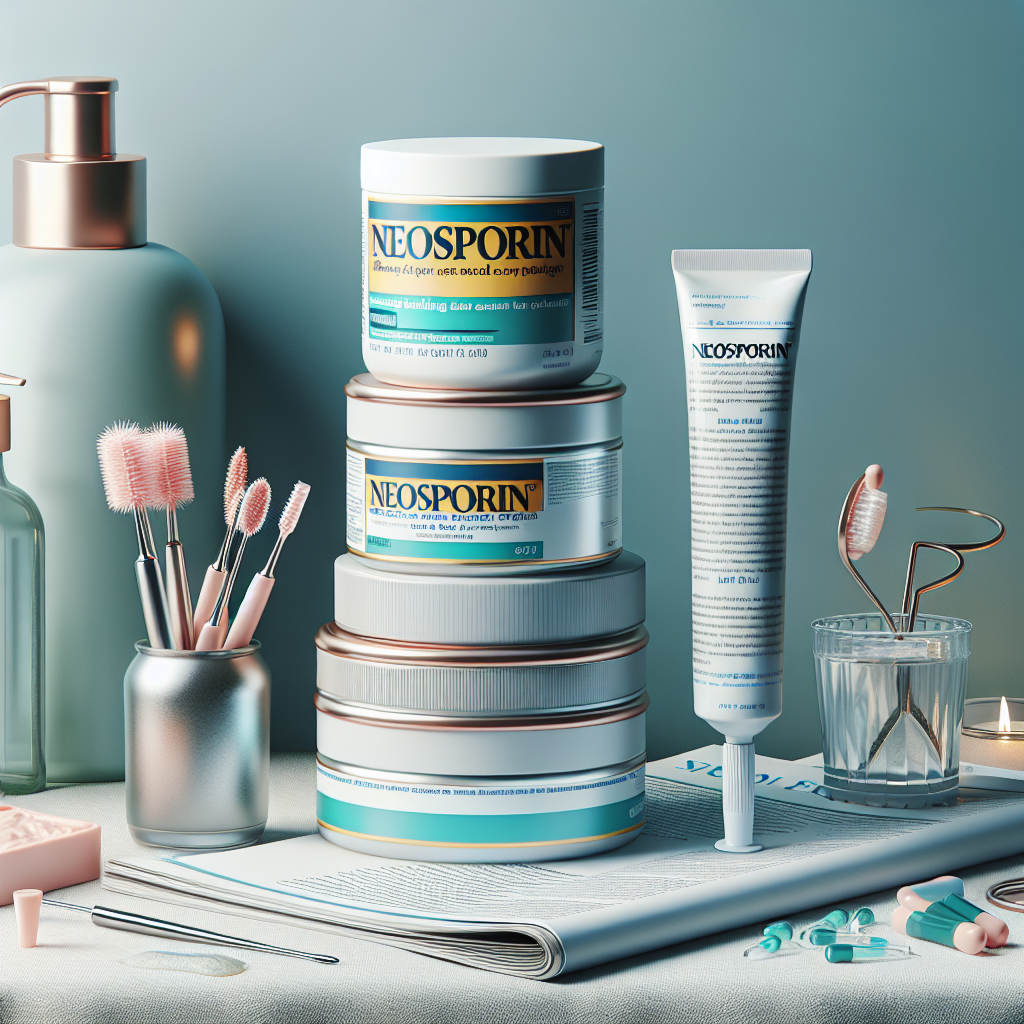
Scars can often be a cause of distress for individuals looking to maintain a smooth, blemish-free complexion. Many turn to over-the-counter solutions to assist in reducing the visibility of scars. One common question asked is, will Neosporin help scars? Neosporin, a topical antibiotic ointment, is typically used to prevent infections in minor cuts and wounds. However, its role in scar treatment is an area of interest for many.
Understanding Scarring and Treatments
Scars form as part of the natural healing process following an injury to the skin. While completely eliminating scars is challenging, certain treatments may help improve their appearance. Products containing ingredients like silicone, vitamin E, and certain natural oils are most often recommended. Neosporin, known for its infection-fighting capabilities, is sometimes used with the hope of minimizing scar formation.”
Will Neosporin Help Scars?
The primary question is whether Neosporin can truly help reduce scarring. The effectiveness of Neosporin in scar treatment is not well-documented in scientific literature. Neosporin’s main function is to prevent bacterial infection in wounds, which indirectly may support an ideal healing environment that could potentially reduce scarring. The immediate benefit is primarily in keeping the wound clean, promoting optimal healing conditions.
However, it’s essential to note that Neosporin does not contain ingredients specifically formulated for scar reduction. For targeted scar treatment, other products with specialized ingredients for scar reduction might be more appropriate.
Alternative Treatments for Scars
While Neosporin can play a role in the early stages of wound care, those seeking to address the aesthetic aspect of scars have a wide range of options. Here are a few alternative approaches:
- Silicone Gel Sheets: These are commonly recommended by dermatologists for hypertrophic scars and keloids.
- Vitamin E Oil: Despite mixed reviews from experts, many continue to use vitamin E oil for its antioxidant properties.
- Corticosteroid Creams: These require a prescription and can help in reducing inflammation and improving the appearance of raised scars.
- Lemon Juice: Known for its natural bleaching properties, it may slightly lighten dark scars over time.
Neosporin in Wound Care
Neosporin is best utilized in the early stages of wound care, offering protection from infection. Proper wound care is crucial as an infected wound is more likely to result in a more pronounced scar. By keeping the wound clean and moisturized, Neosporin helps in forming less visible scars in the long run, but it is not a scar treatment product.
You might also be interested in learning about strategies for an effective nighttime skincare routine to complement your day-to-day skincare regimen.
For more inclusive insights into health and treatments, you can explore further resources such as the Health page on Wikipedia.
Effective Scar Management
Managing scars requires patience and use of the right products. While Neosporin offers benefits in early wound management, for scar-specific care, other products should be considered. Consulting a dermatologist might provide additional guidance tailored to specific types of scars.
Final Thoughts: Will Neosporin Help Scars?
In conclusion, will Neosporin help scars? While it assists in establishing a clean environment necessary for optimal healing and infection prevention, it is not designed specifically for reducing scars. Alternative treatments with ingredients targeting scar appearance might be more effective. As always, consult with healthcare professionals for personalized advice on scar management.
- Scars form naturally as part of the healing process.
- Neosporin is effective in preventing infections, which can aid in reducing scar severity.
- Specialized scar treatments offer targeted approaches for improving scar appearance.
- Consulting a dermatologist provides personalized guidance in scar management.
- Patience and consistency are key in managing scars effectively.
FAQ
Can Neosporin be used on all kinds of scars?
Neosporin is primarily for wound infection prevention and is not specially formulated for scar treatment. Its use is mainly in the care of fresh wounds to prevent infection rather than treating existing scars.
What alternatives are there for treating scars?
Silicone gel sheets, vitamin E oil, corticosteroid creams, and natural options like lemon juice are commonly used for scar treatment. Each has its benefits depending on the scar type and skin sensitivity.
Is it necessary to consult a dermatologist for scars?
While over-the-counter solutions are effective for many, consulting a dermatologist can provide targeted treatment options, especially for stubborn or large scars.
Can using Neosporin prevent scar formation?
Neosporin helps in creating an optimal healing environment by preventing infections, which may lead to less noticeable scarring, although it is not a guarantee against scar formation.
How long should Neosporin be used on a wound?
Neosporin is generally used for a short period until the wound has healed enough to form a protective scab. Prolonged use should be under a healthcare professional’s guidance.