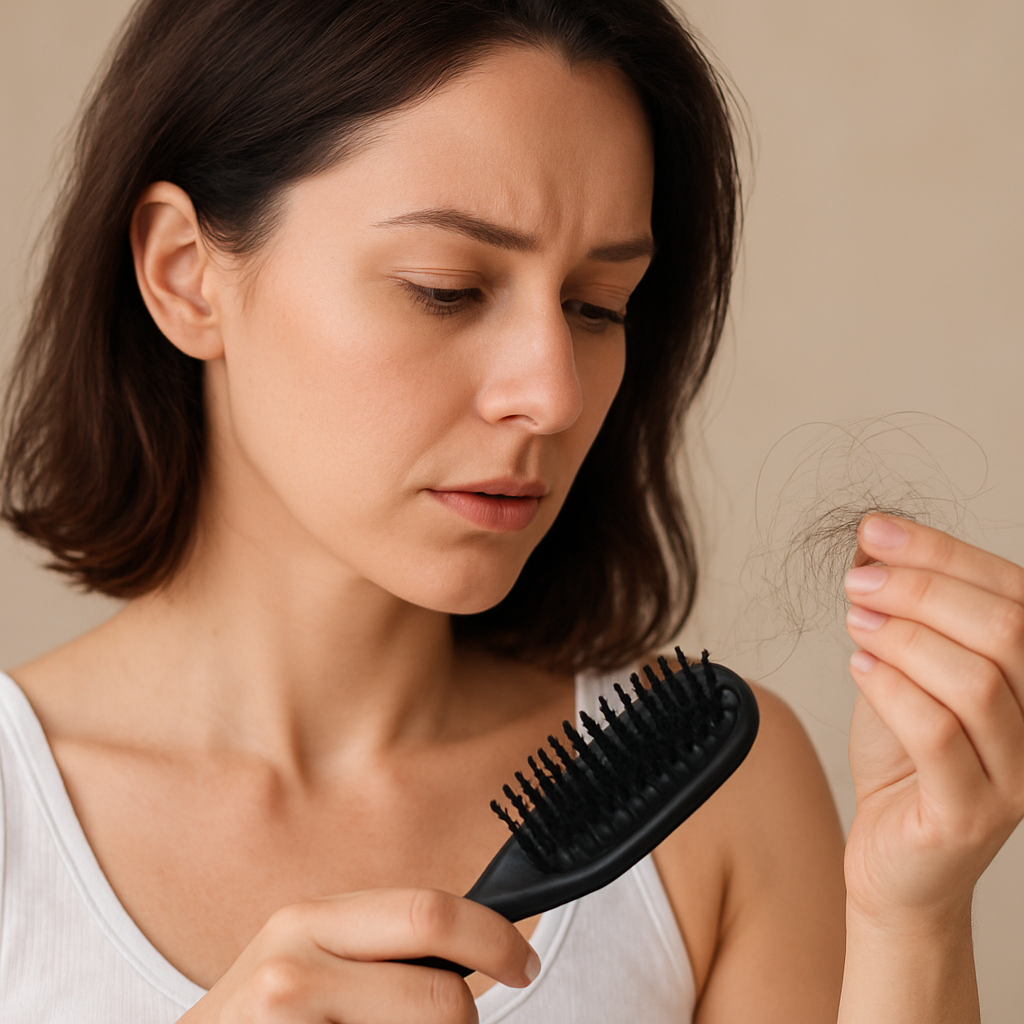
Hair loss can be a distressing experience, leading many to wonder if their recent weight loss efforts might be the cause. Understanding the connection between weight loss and hair loss is important for those embarking on a health journey. While weight management is essential for overall well-being, it’s crucial to consider how significant changes in diet and lifestyle can impact hair health.
Weight Loss and Hair Loss: Is There a Connection?
When you embark on a weight loss journey, your body undergoes numerous changes. Sometimes, these changes include a shift in nutrient intake or energy levels, which can influence hair health. Hair loss from weight loss isn’t uncommon, although this connection might not be immediately apparent. The body perceives rapid weight loss as a stressor, which can redirect resources away from hair growth.
Understanding Hair Growth Phases
To comprehend how losing weight might impact your hair, it’s important to understand the hair growth cycle. Hair grows in phases: anagen (growth phase), catagen (transitional phase), and telogen (resting phase). Stressors like rapid weight loss can disrupt these phases, pushing more hairs into the telogen phase, leading to temporary shedding.
Nutritional Imbalances and Hair Loss
Nutritional deficiencies are a common factor linking weight loss and hair. Diets that cut out major food groups might lead to a lack of essential vitamins and minerals, like iron, zinc, and vitamin D, which are crucial for hair health. If you’re losing weight and noticing hair loss, it might be worth consulting with a nutritionist to ensure your diet is balanced.
For more detailed information on other factors leading to hair loss, you can read about how certain medications might play a role, including in our article on how steroids cause hair loss.
Does Exercise Affect Hair Health?
Exercise, a common component of weight loss, influences hair health both positively and negatively. While physical activity improves circulation, bringing more nutrients to hair follicles, excessive exercise without adequate nutrition can lead to stress, negatively impacting hair. It’s important to balance exercise with nutritional needs to prevent hair loss when dieting.
Can Weight Loss Cause Hair Loss and What Can You Do?
If you’re concerned that your weight loss efforts are causing hair loss, it’s worth evaluating your diet and lifestyle. Including nutrient-rich foods, ensuring adequate protein intake, and possibly consulting a healthcare provider to rule out other causes of hair loss can be beneficial. Remember, hair loss related to weight loss is generally temporary if dietary needs are addressed promptly.
Additionally, consider stress-reducing techniques such as meditation or yoga, which can also help support hair health during significant lifestyle changes.
Seek Professional Guidance
Because weight loss and hair loss can be linked to various lifestyle factors, it’s crucial to involve healthcare professionals. A dermatologist or a dietitian can help pinpoint the exact cause of hair shedding and suggest appropriate interventions. For a broader understanding, you can visit this resource on hair loss causes.
Finally, if you’re experiencing hair loss when losing weight, keep in mind that each person’s body responds differently to lifestyle changes. Adjusting your approach based on professional advice can help mitigate any adverse effects on your hair.
Taking Control of Hair Health During Weight Loss
Understanding the effect of lifestyle choices on hair is crucial for a balanced approach to health. With proper care and attention, the relationship between weight loss and hair loss can be managed effectively. Remember to approach changes gradually and incorporate holistic health practices for the best results.
Conclusion
To summarize, weight loss and hair loss are interconnected in several ways. Ensuring nutritional adequacy, managing stress, and seeking professional advice can help maintain healthy hair during your weight loss journey. Each person’s response to weight loss is unique, requiring a tailored approach to minimize hair-related concerns.
- Weight loss can indirectly lead to hair loss through nutritional imbalances and stress.
- A balanced diet rich in essential vitamins can support healthier hair.
- Gradual lifestyle changes help mitigate stress-related hair loss.
- Professional guidance ensures a comprehensive approach to hair health.
- Exercise benefits hair but should be balanced with sufficient nutrition.
FAQ Section
Can rapid weight loss lead to hair loss?
Yes, rapid weight loss can stress the body and potentially lead to temporary hair shedding. It’s important to incorporate a balanced diet during such changes.
What nutrients are essential for preventing hair loss during weight loss?
Vitamins and minerals like iron, zinc, protein, and vitamin D are crucial for maintaining hair health. Eating a diverse diet can help ensure you meet these needs.
Is hair loss from weight loss permanent?
Typically, hair loss linked to weight loss is temporary and reversible once the body adjusts or nutrition is improved.
Does exercise impact hair loss during weight loss?
Exercise can improve circulation and support hair health, but excessive exercise without proper nutrition may contribute to hair loss. Balance is key.
When should I see a professional about hair loss?
If you notice significant or persistent hair loss, consulting a healthcare professional can help identify underlying causes and guide appropriate interventions.