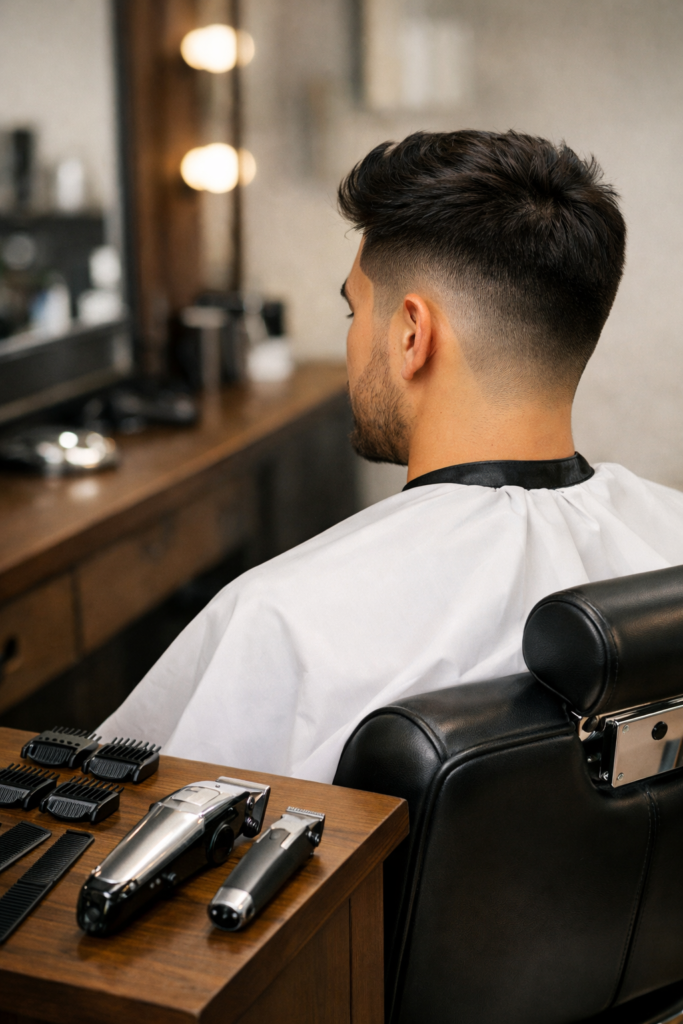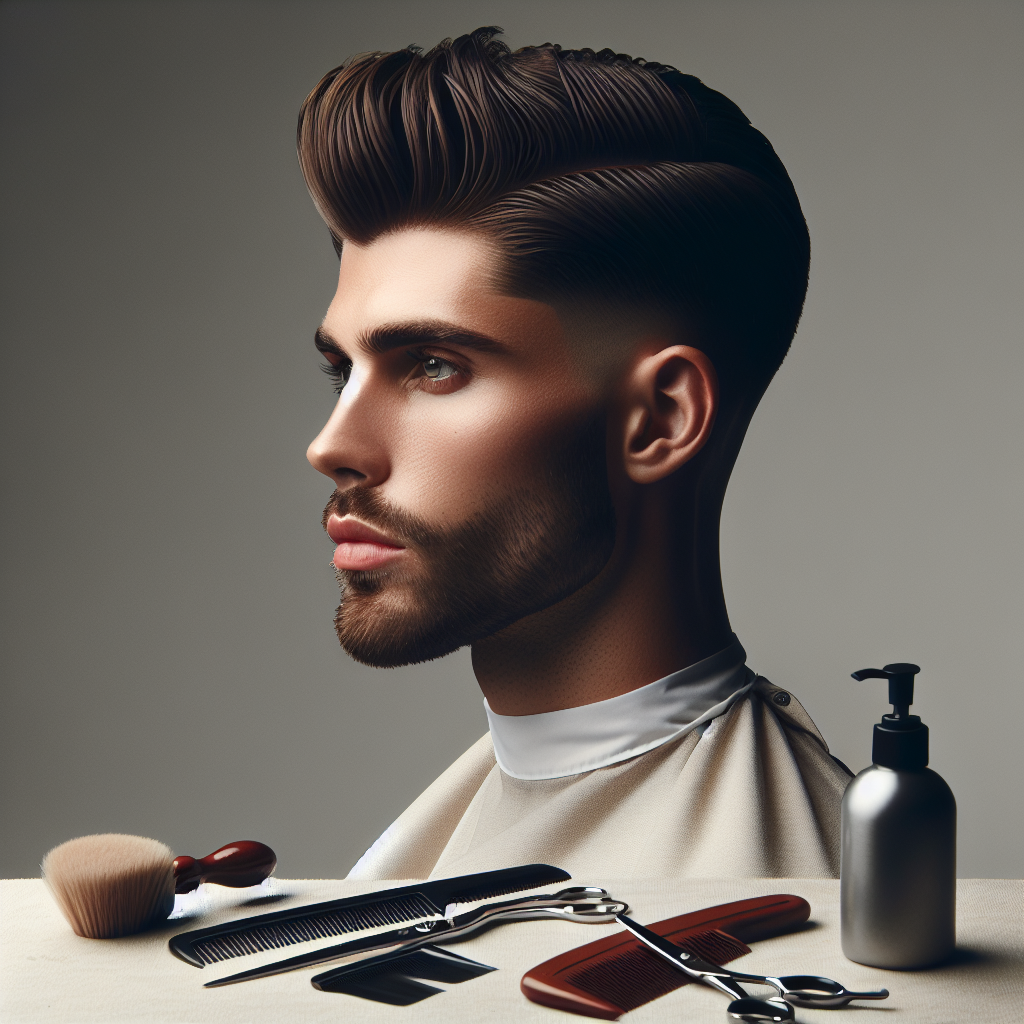
The low taper fade is a versatile and stylish haircut that has gained immense popularity over the years. It’s suitable for almost any hair type and provides a clean, fresh look that can be easily maintained. This haircut starts at the top of the ears and gradually fades to the nape of the neck, offering a sophisticated yet contemporary appearance. Whether you’re aiming for a subtle change or a bold statement, learning how to master the low taper fade can be a game-changer for your grooming routine.
Why Choose a Low Taper Fade?
The low taper fade is perfect for those who want a haircut that is both professional and stylish. This look can be modified according to personal preference, making it suitable whether you’re headed to a formal event or a casual outing. Additionally, the low taper fade can highlight your facial structure, adding definition and a polished look.
One of the key advantages of the low taper fade is its ability to blend seamlessly with various hairstyle options. Whether you prefer a clean, slicked-back style or natural curls, this haircut can serve as the perfect foundation.
How to Achieve the Perfect Low Taper Fade
Achieving a low taper fade requires skill and precision. It’s advisable to work with an experienced barber who understands this technique. Here’s a step-by-step guide to help you understand what goes into creating this modern haircut:
- Consultation: Discuss your desired look with your barber. Bring photos or examples if possible.
- Clippers and Guards: The haircut typically begins with clipper work. Barbers use varying guard sizes to ensure a gradual fade.
- Blending: After setting the initial length, barbers blend the layers using tapering scissors or clippers for precision.
- Detailing: Finally, the edges are lined up for a clean finish, ensuring a sharp and defined appearance.
Maintaining Your Low Taper Fade
Keeping your low taper fade looking fresh requires regular upkeep. Frequent trips to the barber, usually every 2 to 3 weeks, are recommended to maintain its sharpness and style. Daily grooming products can help keep styles like a slick-back or curls in place. Natural oils and styling gels can be used to add texture and volume where needed.
A proper hair care routine is also essential. Regular washing and conditioning help to prevent build-up, while moisturizing products can maintain hair health and appearance.
Low Taper Fade Variations
The versatility of the low taper fade is evident through its numerous variations. Below are some popular styles:
- Classic Low Taper Fade: This version offers a polished look that works well for all occasions.
- Curl-friendly Low Taper Fade: Specifically modified for curly hair, it accentuates the natural texture while maintaining a clean appearance.
- Textured Low Taper Fade: Using pomades or wax, this style gives the hair more body and movement.
Each variation can offer a unique twist on the traditional look, allowing personal expression while maintaining the fundamental elegance of the low taper fade.
Conclusion: Making the Low Taper Fade Work for You
Ultimately, the low taper fade can be an ideal choice for anyone looking to upgrade their hairstyle with minimal fuss. With its sleek appearance and adaptability, it’s a style that not only suits many but can also be tailored to individual preferences effortlessly. Whether you’re opting for a low taper fade for the first time or revisiting the style, the key is to work with a professional barber who understands your vision to bring this trend-setting haircut to life.
- The low taper fade offers a refined, versatile look for any occasion.
- Regular maintenance is crucial to keeping the style fresh.
- Works well with various hair types and lengths.
- Can be easily customized to fit personal tastes and preferences.
- Consult a skilled barber to achieve the best results.
What distinguishes a low taper fade from a regular taper?
A low taper fade starts at or around the ear, offering a subtler gradient compared to a regular taper, which often starts at the temple.
How often should I visit the barber with a low taper fade?
It’s recommended to visit the barber every 2 to 3 weeks to maintain a sharp and polished appearance.
Can a low taper fade work with curly hair?
Yes, the low taper fade complements curly hair beautifully by highlighting natural texture while offering a neat perimeter.
What products are best for styling a low taper fade?
Styling products like natural oils, pomades, or lightweight gels can be used to add texture and hold without weighing the hair down.
Where can I learn more about the health aspects of hair care?
For further information on hair health, you can read credible sources on Wikipedia.