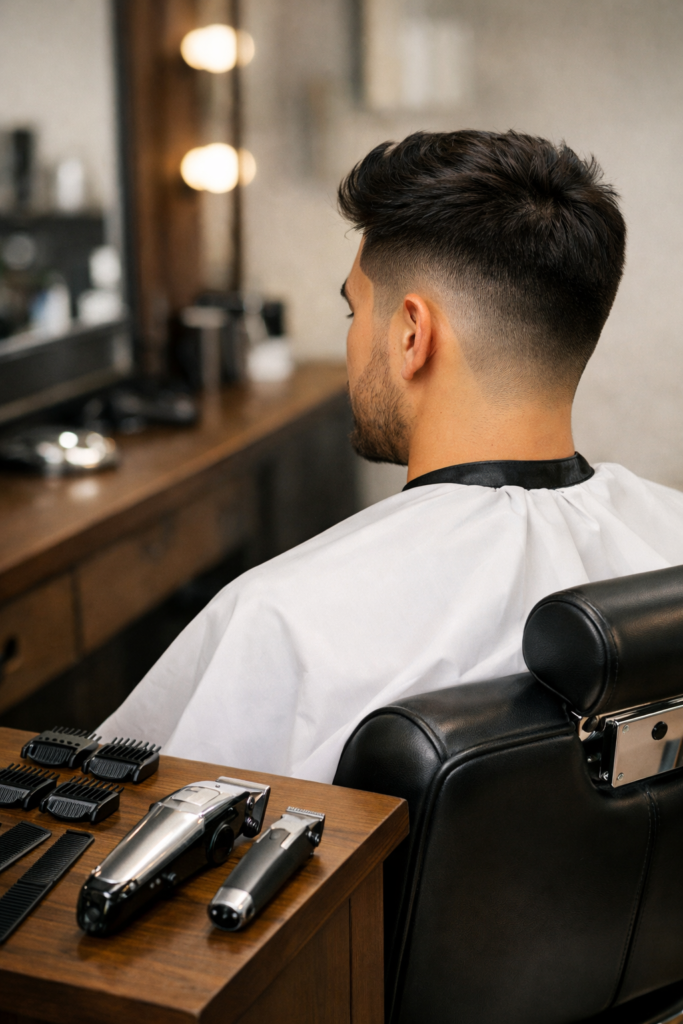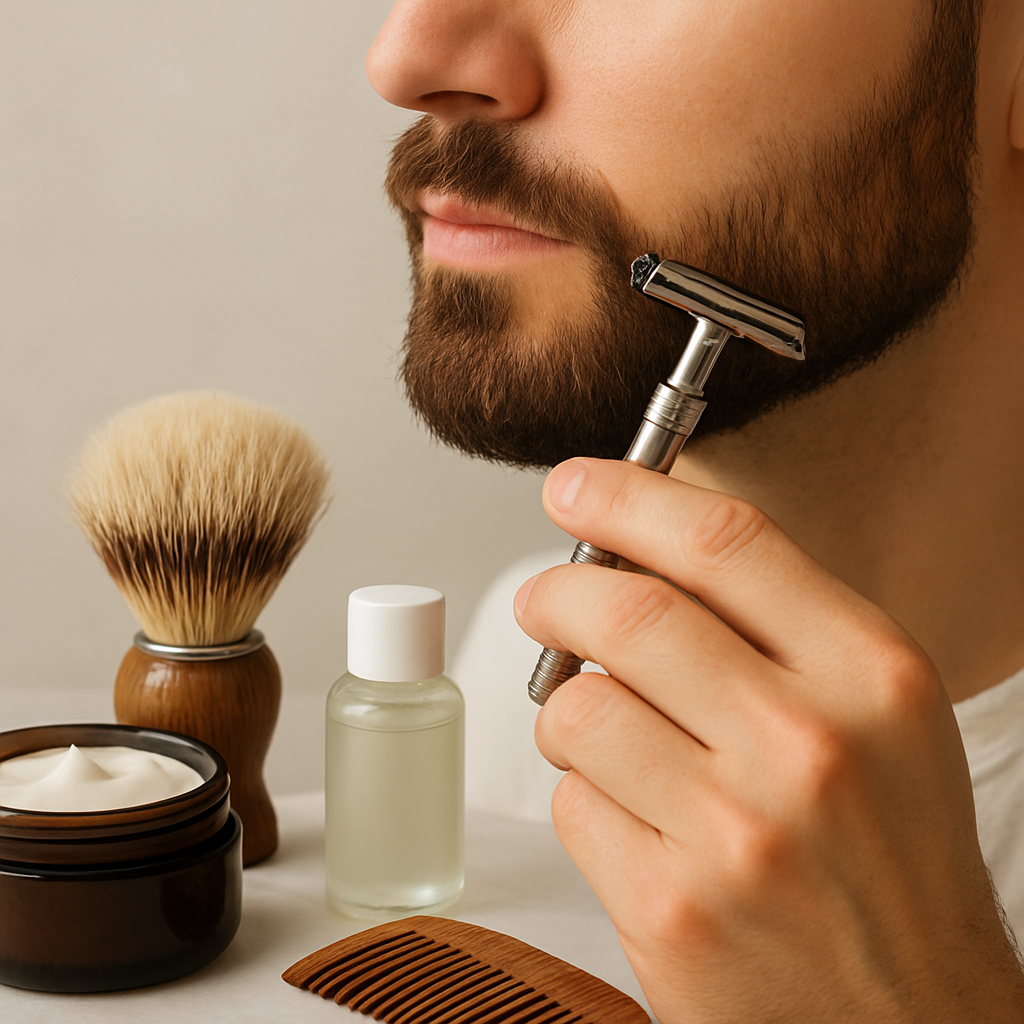
Achieving the perfect shaving beard routine is both an art and a science. For many, maintaining a well-groomed beard is as important as having a proper haircut. Whether you are starting your beard journey or looking to refine your shaving techniques, understanding the nuances of shaving beard properly can help you achieve a polished look.
Understanding the Essentials of Shaving Beard
Shaving your beard involves more than just a razor and some foam. It’s about understanding your facial hair, skin type, and utilizing the right tools and products to avoid irritation and ensure a clean shave. Let’s dive into the essentials that can make all the difference.
1. Preparing Your Beard
The first step in achieving a flawless shave is preparing your beard and skin. Begin with washing your face and beard with warm water and a gentle cleanser to remove dirt and oil. This step softens the beard hair, making it easier to cut. Using a pre-shave oil can also help condition your beard and reduce friction between the razor and your skin.
2. Choosing the Right Tools
Not all razors are created equal. Selecting a quality razor that suits your skin type is crucial. Some may prefer electric razors for less irritation, while others might opt for a traditional straight razor for a close shave. Additionally, investing in a good shaving brush can help evenly apply shaving cream or gel, lifting the hair and achieving a smoother shave.
3. The Technique of Shaving Beard
When it comes to technique, always shave in the direction of hair growth to prevent razor burn and ingrown hairs. Using short strokes and avoiding applying too much pressure can also protect your skin. Rinse the blade after every few strokes to keep it clean and effective.
4. Post-Shave Care
Post-shave care is just as important as the shave itself. Rinse your face with cold water to close your pores and apply an alcohol-free aftershave or balm to soothe and moisturize your skin. This helps to prevent irritation and keeps your skin hydrated.
Common Challenges and Solutions
Shaving beard can sometimes come with its own set of challenges. Here are some common issues and how to address them:
1. Razor Burn and Irritation
Razor burn is a common complaint among those who shave regularly. To reduce the risk, ensure your blade is sharp and not overused. Applying a cooling aloe vera gel post-shave can also help soothe any irritation.
2. Ingrown Hairs
Ingrown hairs occur when the hair curls back into the skin. Exfoliating regularly and using a soothing toner can help keep your skin clear and prevent hairs from growing back incorrectly.
3. Uneven Shaving
For an even shave, use a mirror and take your time. Lining up edges is crucial to maintaining symmetry. Practicing precision with every shave will lead to a more even result.
Integrating Shaving into Your Self-Care Routine
Incorporating shaving into your self-care routine can enhance not only your appearance but also your overall well-being. Check out how beauty rituals can boost your well-being for more on this topic.
Fostering Healthy Skin and Beard
Healthy skin and a well-maintained beard can contribute to increased confidence. Using quality products tailored to your skin and hair type lays a solid foundation for a good shaving routine. Furthermore, staying hydrated and following a healthy diet can indirectly support hair and skin health.
Safety and Considerations
It’s essential to be mindful of the products and tools you use. While some individuals may not experience any issues, others might find certain products cause reactions. Always patch test new products and consult a dermatologist if you’re uncertain about your skin’s needs.
For further reading on maintaining healthy practices, visit this informative article on health.
In conclusion, mastering the art of shaving beard involves a combination of the right techniques, tools, and care products. Whether you’re aiming for a clean-shaven look or maintaining a specific beard style, following these practices can help you achieve a flawless beard experience.
- Always prepare your beard and skin before shaving.
- Use quality tools suited for your specific needs.
- Shave in the direction of hair growth to avoid irritation.
- Incorporate post-shave care to soothe and hydrate the skin.
- Consider shaving as part of your self-care regimen for best results.
FAQs
How often should I shave my beard?
The frequency of shaving depends on the style you want to achieve. For a clean-shaven look, you may need to shave daily or every other day. For maintaining a beard, once or twice a week may suffice.
What is the best way to avoid ingrown hairs?
To prevent ingrown hairs, exfoliate regularly to remove dead skin cells, shave in the direction of hair growth, and use a clean, sharp blade.
Can I use regular soap instead of shaving cream?
It’s best to use products specifically designed for shaving, like shaving cream or gel, as they help reduce friction and provide lubrication that regular soap may not offer.
How can I reduce razor burn?
Razor burn can be minimized by using a sharp blade, shaving in the direction of hair growth, applying a soothing aftershave, and avoiding multi-blade razors that can irritate the skin.
Is it safe to dry shave without water?
Dry shaving is generally not recommended as it can increase skin irritation and lead to cuts. If water is not available, using a moisturizing shaving gel can offer some protection.