For many men, the quest for a robust and luxurious beard is a symbol of masculinity and style. Understanding how to grow a thicker beard can be a journey of experimentation and patience. Whether you’re looking to enhance volume, improve texture, or create a full, even appearance, several key strategies can support your beard growth goals.
How to Grow a Thicker Beard
Achieving a thicker beard requires a combination of proper care, healthy nutrition, and patience. Genetics play a significant role, but lifestyle choices and grooming habits are also influential. Here are some insights and tips to help boost beard growth and maintain a healthy beard.
Understanding Beard Growth
The science of beard growth is largely linked to hormones, particularly testosterone and dihydrotestosterone (DHT). While these hormones contribute significantly to beard development, other factors like age, genetics, and overall health also affect growth. Fortunately, there are strategies to optimize these factors for better results.
Grooming Techniques
Regular grooming is essential for maintaining a fuller beard. Trim your beard to remove split ends and improve its shape. Regular washing and conditioning help keep hair clean and manageable, which can contribute to a thicker appearance.
The Role of Nutrition
Nutrition is a vital element in supporting beard growth. Consuming a balanced diet rich in vitamins and minerals promotes hair health. Foods high in protein, such as lean meats, eggs, and nuts, provide the building blocks for hair. Additionally, vitamins like Biotin and vitamin E are often recommended for healthy hair growth.
Lifestyle Factors
Stress and lack of sleep can negatively affect your overall health and beard growth. Managing stress through exercise, meditation, and adequate rest can improve beard thickness and vitality. Maintaining a healthy lifestyle with regular exercise not only boosts circulation but also enhances hormone levels, which can benefit beard growth.
Beard Care Products
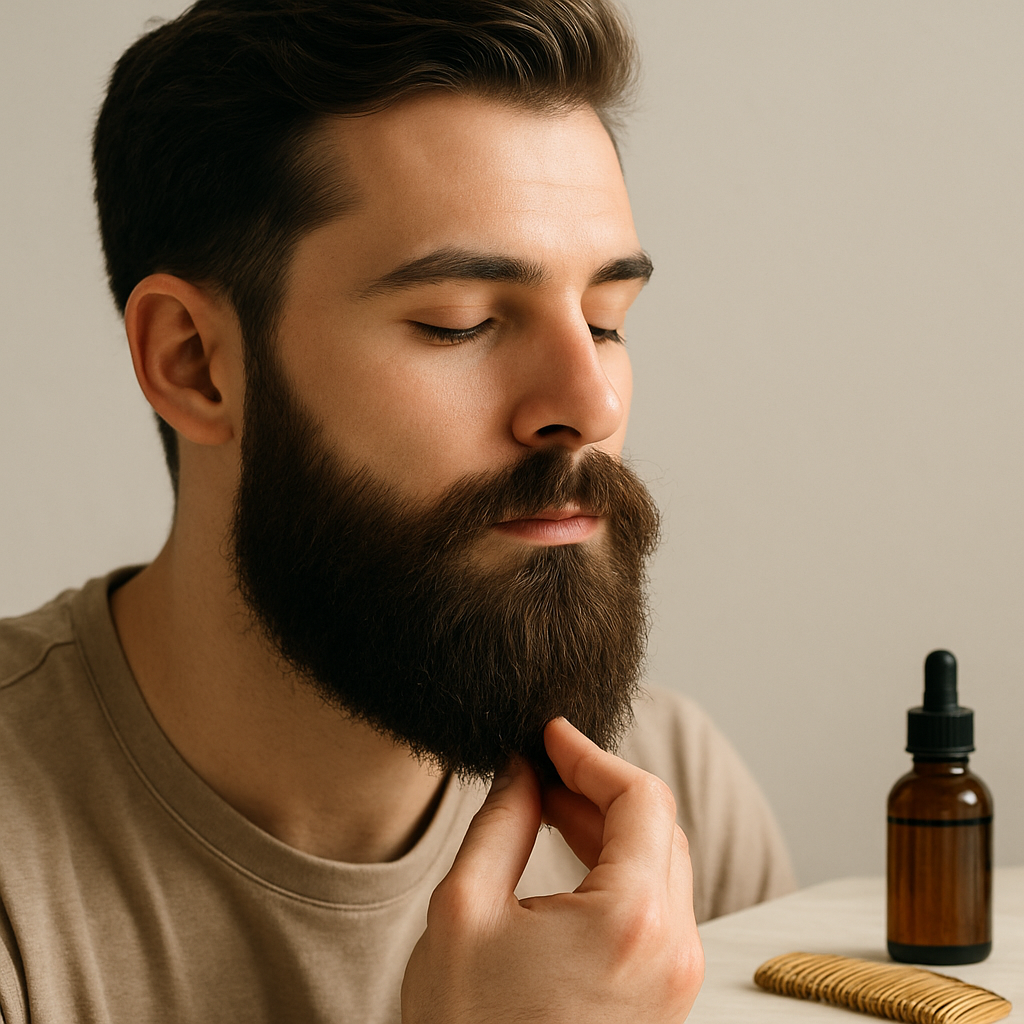
Using the right beard care products, such as oils, balms, and conditioners, can help enhance growth and texture. These products moisturize the skin, reduce itchiness, and promote healthy hair follicles. Ensure you select high-quality products designed to support beard growth.
For those interested in exploring the relationship between hormonal impacts and hair growth, check out our comprehensive article on how steroids may affect hair growth.
Natural Remedies and Supplements
Natural remedies and supplements are gaining popularity for their potential to support beard growth. Ingredients like castor oil, coconut oil, and rosemary oil are often used to nourish hair and skin. Additionally, certain supplements may help, but it’s crucial to consult with a healthcare provider for personalized advice, as their effectiveness can vary from person to person.
For more detailed information on how hormones affect health and growth, consider reading this comprehensive article on health.
Patience and Consistency
Growing a fuller beard doesn’t happen overnight. Consistency in grooming and care routines, coupled with patience, is critical. Allow your beard the necessary time to grow and mature, typically several weeks to months, depending on individual growth patterns.
Remember, understanding how to grow a thicker beard involves a holistic approach, considering all aspects from diet and lifestyle to grooming and care.
Takeaways
- Hormones, genetics, and health are key factors in beard growth.
- Consistent grooming and a balanced diet promote fuller beards.
- Natural oils and supplements may support beard health.
- Patience and a positive lifestyle contribute significantly.
- Consult professionals for personalized advice and guidance.
FAQ
How long does it take to grow a thicker beard?
The time it takes to grow a thicker beard varies greatly among individuals. On average, it can take several weeks to a few months for noticeable changes, and this can depend on factors such as genetics and health.
Do beard oils really work?
Beard oils can condition the beard and skin, reducing itchiness and providing essential nutrients that may promote healthier beard growth. However, results can vary, and they primarily help with maintenance rather than directly enhancing growth.
Can diet impact beard growth?
Yes, diet can affect beard growth. A diet rich in protein and vital vitamins and minerals, like vitamin E and Biotin, supports healthy hair. Incorporating these into your meals may promote better beard quality.
Are there any risks associated with supplements for beard growth?
While many supplements are considered safe, they can interact with medications or cause side effects. It’s crucial to consult with a healthcare provider before starting any supplement regimen for beard growth, especially if you have underlying health conditions.
What should I do if my beard is patchy?
If your beard is patchy, focus on regular grooming, using quality beard care products, and maintaining a healthy lifestyle. Patience is key, and over time, small patches may fill in as the beard matures. Consulting a dermatologist may also provide specialized insight.