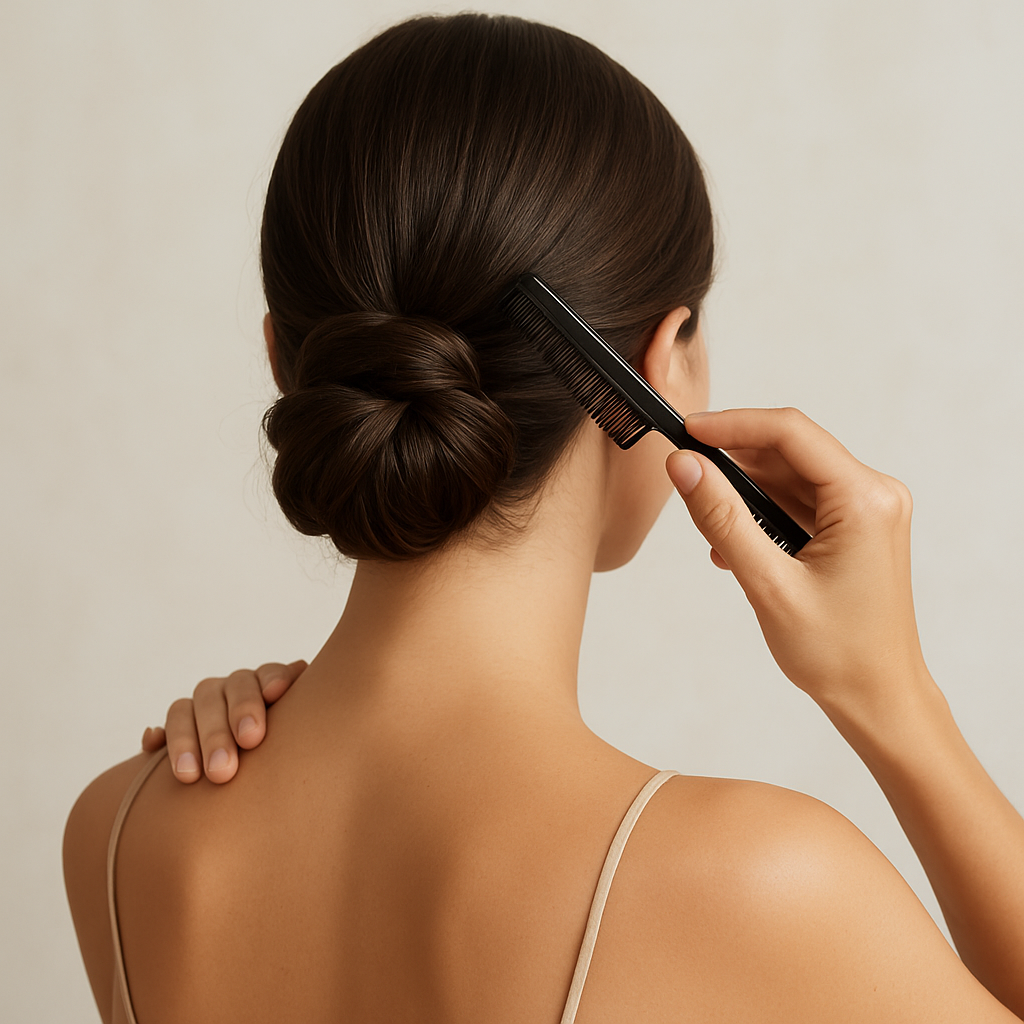
Creating a flawless backline is one of those hair styling skills that can take your look from ordinary to extraordinary. Whether you’re preparing for a special event or looking to achieve a polished everyday appearance, understanding how to line hair behind head is essential. This part of hair styling involves precision and a bit of practice, but with the right guidance, anyone can master it.
How to Line Hair Behind Head
Lining hair behind your head ensures that the back is as immaculate as the front. The key is to focus on tidiness and evenness, which requires the right tools and techniques. Begin by selecting a comb and a pair of scissors or a trimmer. For a more precise cut, many prefer using electric clippers.
Step-by-Step Guide to Lining Hair
Follow these steps for a professional-looking backline that frames your face beautifully:
- Preparation: Wash and condition your hair. Wet hair can make the process easier, but be mindful that hair shrinks as it dries.
- Identify Your Line: With a comb, identify where you want your hairline to be. This is usually around the nape of your neck but can vary based on your style preference.
- Trim While Looking Down: Tilt your head slightly down and trim your neckline by starting in the middle and working your way out to each side.
- Use a Handheld Mirror: Employ a handheld mirror to see the back of your head better, ensuring you follow your desired line accurately.
- Finish with a Razor: Some prefer using a razor or precision trimmer for a clean finish, refining the edges and removing any stray hairs.
Practicing regularly will increase your confidence and skill in making the back of your hair look impeccable. If you’re using styling products, such as gels or setting sprays, apply them after lining to help maintain your style throughout the day.
Common Mistakes and How to Avoid Them
Even with the best intentions, common mistakes can happen:
- Cutting Too Much: It’s easy to trim more than intended. Take it slow and trim in small amounts.
- Uneven Lines: Check both sides frequently to ensure symmetry.
- Not Using the Right Tools: Different hair types may require specific tools, like thinning shears for thicker hair.
When styling at home, patience and practice are your best tools. Consulting professionals for initial guidance can also be beneficial.
Additional Hair Styling Tips
Maintaining healthy hair is crucial for any hairstyling process:
- Regular trims prevent split ends and promote healthy growth.
- Deep conditioning treatments can maintain hair’s moisture, especially if you frequently use heat styling tools.
- Consider protective styles to minimize damage from hairstyling activities.
For further information on how to maintain healthy hair and prevent issues, you might find our article on will steroids cause hair loss useful.
Health Concerns Related to Hair Styling
Excessive or improper styling can affect hair health. Concerns about hair loss or other challenges can sometimes stem from styling habits. Being informed helps navigate these challenges effectively and ensures your hair remains healthy. For comprehensive information on general hair health, the following resource might be beneficial: Health Information on Wikipedia.
Ultimately, knowing how to line hair behind head adds a refined touch to your hairstyle. This skill not only emphasizes professional edges and clean lines but also boosts personal confidence by enhancing your overall appearance.
- Begin with clean, well-prepared hair.
- Use high-quality tools for precision.
- Practice regularly to improve your technique.
- Maintain your hair’s health with proper care routines.
- Consult professionals for expert advice when needed.
FAQ
Can lining your hair behind your head cause damage?
When done correctly and with proper tools, lining your hair shouldn’t cause damage. However, excessive pulling or incorrect tool usage can harm hair.
What tools are best for aligning hair at home?
A good pair of scissors or clippers and a handheld mirror are essential. Additionally, using fine-tooth combs can help in precise cutting and styling.
How often should you line your hair?
Lining frequency depends on hair growth rates and personal style preferences. Some may choose weekly touch-ups, while others may do it bi-weekly.
How can I ensure both sides are even when lining my hair?
Utilize multiple mirrors for various angles and trim in small sections to maintain evenness. Checking your work frequently helps ensure symmetry.
What should I do if I make a mistake while lining my hair?
If a mistake occurs, correct it slowly and cautiously. Over-trimming can result in uneven lines, so approach corrections with patience.