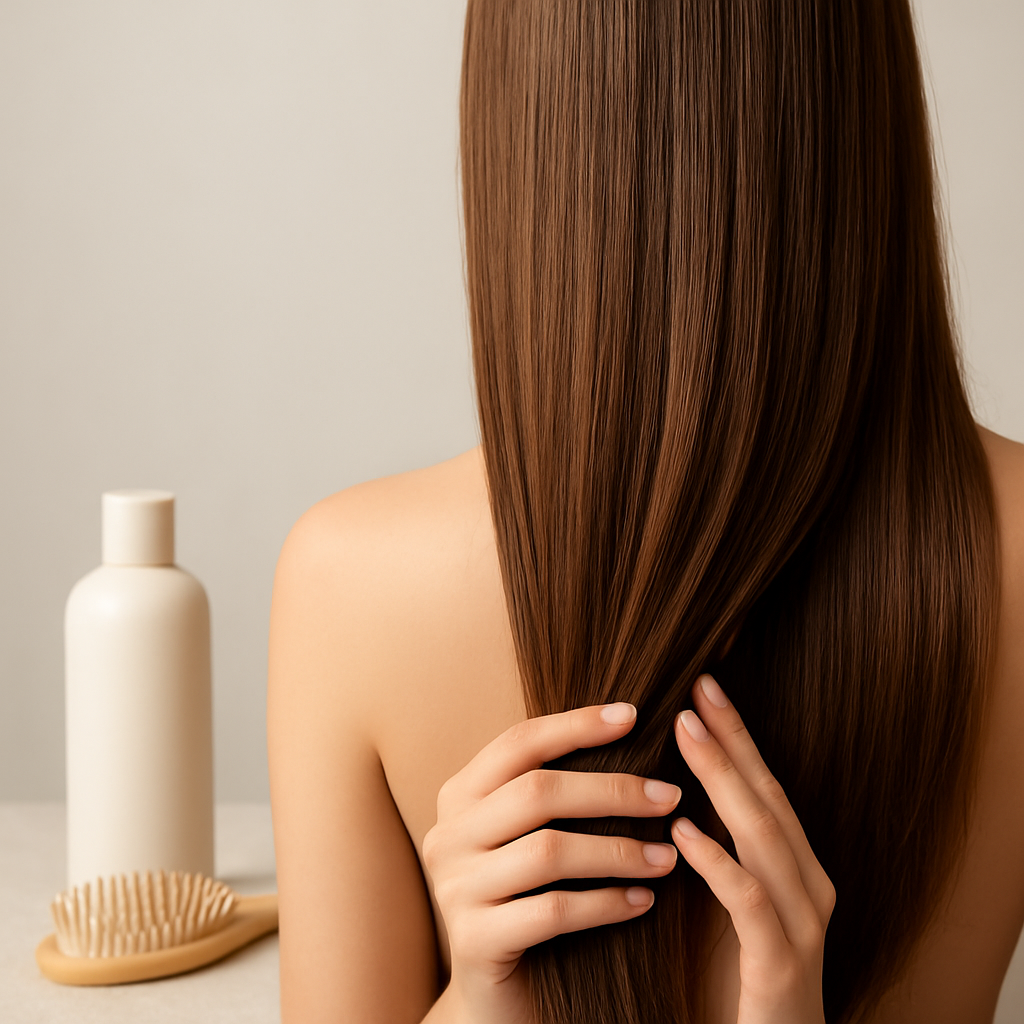
Achieving luscious, glossy hair free from damage is a common aspiration for many. If you’re seeking the ultimate cure for split ends in hair, you’ve come to the right place. While split ends cannot be permanently eliminated once they occur, there are effective strategies to minimize and prevent them, keeping your hair healthier and more manageable.
The Ultimate Cure for Split Ends in Hair
Split ends, scientifically known as trichoptilosis, occur when the hair shaft splits or frays due to damage. Factors contributing to split ends include heat styling, chemical treatments, and even environmental stressors. Although there is no cut-and-dry cure, there are methods to help manage and potentially eliminate the appearance of split ends over time.
Understanding Split Ends
To better protect your locks, it’s important to understand why split ends form. Regular wear and tear, harsh brushing, and environmental exposure are all culprits. As the protective outer layer of hair cuticles gets worn down, the inner cortex becomes vulnerable, leading to those pesky splits.
Preventing Split Ends
Prevention is key. The less damage your hair experiences, the fewer split ends you’ll have to contend with. Here are some guidelines:
- Avoid over-styling with heat tools. Whenever possible, embrace air drying.
- Apply heat protectants before styling to shield hair from thermal damage.
- Opt for softer, more forgiving hair ties and accessories.
- Ensure regular trims to keep ends healthy and prevent splits from worsening.
- Use a gentle, nourishing shampoo and conditioner routine.
Nourishment Through Hair Care Products
Utilizing the right products can make a significant difference. Look for shampoos and conditioners enriched with natural oils, proteins, and vitamins like biotin that nourish and retain moisture in your hair. Leave-in conditioners and serums can provide an extra layer of protection against split ends by smoothing the cuticle and adding moisture.
Combating Split Ends with Lifestyle Changes
Healthy hair begins with a healthy lifestyle. A balanced diet rich in vitamins, like biotin and vitamin E, can promote stronger, more resilient hair strands. Staying hydrated by drinking plenty of water is equally important, as it aids in keeping the hair shaft supple and less susceptible to splitting.
Additionally, reducing stress can lead to healthier hair. Consider integrating mindfulness practices such as yoga or meditation into your routine to promote both mental well-being and physiological health.
Choosing the Right Tools
Did you know that the brush you use can impact the health of your hair? Choosing the appropriate hair brush for your specific hair type can minimize breakage and stress on your hair. Look for brushes with wide-set bristles that minimize pulling and reduce the likelihood of splitting your hair’s ends.
Preventive Measures Remain Essential
Ultimately, while there’s no direct cure for split ends in hair, maintaining healthy practices can greatly reduce their occurrence. With regular trims, proper nourishment, and the right tools, your hair’s condition can improve significantly, leaving behind those bothersome split ends. To learn more about hair care and prevention, explore more resources like this comprehensive guide on maintaining overall health.
- Split ends result from damage and neglect of hair care.
- Prevent them by avoiding excessive heat, using protective products, and getting regular trims.
- High-quality products and lifestyle adjustments support better hair health.
- Choosing the right brush can make a significant difference.
- A holistic approach combines diet, product use, and stress management.
What are split ends?
Split ends occur when the protective outer layer of hair is damaged, causing the hair shaft to split. Various factors like excessive heat, chemical treatments, and environmental stresses contribute to their formation.
Can split ends be repaired?
Once hair splits, it cannot be permanently repaired, but its appearance can be improved with treatments that seal and condition the hair shaft temporarily. Regular trims are necessary to remove split ends permanently.
How often should hair be trimmed to prevent split ends?
A trim every 6 to 8 weeks is generally recommended to maintain hair health and prevent split ends from traveling up the hair shaft, which can cause further damage.
Are there any natural remedies for combating split ends?
Natural oils such as coconut, argan, and olive oil can help condition and strengthen hair, reducing the appearance of split ends. However, they do not permanently repair the damage.
What role does diet play in preventing split ends?
A balanced diet contributes significantly to hair health. Nutrients like vitamins A, C, D, E, biotin, and iron help maintain the hair’s strength and resilience, thus reducing the likelihood of split ends.