When starting any new medication, concerns about side effects often arise. One question that many individuals have is, can Lexapro cause hair loss in women? Lexapro, known generically as escitalopram, is a prescription medication commonly used to treat depression and anxiety. As a selective serotonin reuptake inhibitor (SSRI), it is generally well-tolerated, but like all medications, it can have side effects. Among these, hair loss is a rare but potential concern for some users.
Can Lexapro Cause Hair Loss in Women?
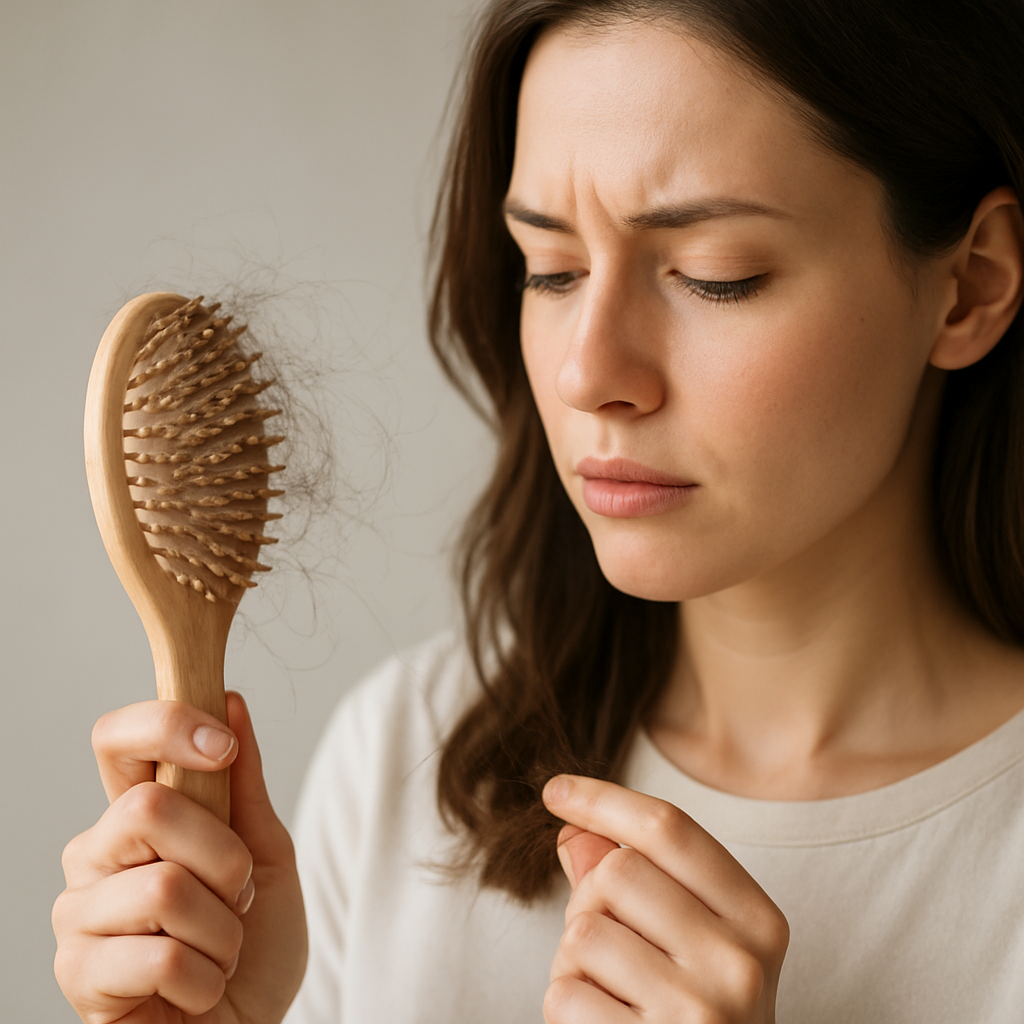
The possibility of hair loss while taking Lexapro, though not frequently reported, can be distressing. It’s important to note that while this side effect is not commonly listed, certain individuals may report experiencing some degree of hair thinning or shedding. Hair loss associated with medication use is typically considered drug-induced alopecia, which occurs when medications interfere with the normal cycle of hair growth.
Understanding Drug-Induced Alopecia
Drug-induced alopecia can affect people differently, and several factors may contribute to this condition. It is often temporary and might resolve after the medication is discontinued, or the body adjusts to it. But it’s essential to identify whether Lexapro or other factors are at play. Hair loss can stem from numerous causes, including nutritional deficiencies, stress, hormonal changes, or other medications.
Why Does Hair Loss Occur?
Hair loss from medications, such as Lexapro, might result from how the body adjusts to the chemical changes these drugs initiate. SSRIs can alter neurotransmitter levels, which may, in turn, influence hair growth cycles. For some individuals, these changes could potentially lead to hair shedding or thinning during the initial months of treatment.
Does Lexapro Cause Hair Loss Sustainably?
While some women on Lexapro may experience hair shedding, it’s crucial to assess both the timing and the scope of the hair loss. Since hair naturally cycles through growth, rest, and shedding phases, recognizing what is unusual or excessive is key. Persistent hair loss or noticeable thinning should be discussed with a healthcare provider. It’s essential to evaluate whether Lexapro is the likely cause, as the medication is not commonly associated with significant hair loss.
Steps to Mitigate Hair Loss
If you suspect Lexapro or similar medications are contributing to hair loss, several steps may help mitigate this issue:
- Consult with a healthcare provider about dose adjustments or alternative medications.
- Ensure a balanced diet rich in essential vitamins and minerals that support hair health, such as biotin and zinc.
- Consider stress-reduction techniques, as stress itself can exacerbate hair loss.
- Explore the impact of hair care products to ensure they are not contributing to the problem.
Consulting With Healthcare Professionals
If you are experiencing hair loss while on Lexapro, it’s important to consult with your healthcare provider. They can evaluate your symptoms comprehensively and determine the potential causes. An alternative treatment or supportive therapy may be recommended to alleviate this side effect. It’s beneficial to discuss any other medications you’re taking, as interactions might also play a role.
While the question “can Lexapro cause hair loss in women” leaves room for uncertainty, listening to your body and seeking professional advice remain paramount. Understanding your particular situation will lead to better management of both your mental health treatment and any side effects.
External Resources
For more detailed information about Lexapro and its side effects, including hair loss, you can visit this Wikipedia page on health. While side effects are possible with any medication, personalized medical advice from a qualified healthcare professional can guide safe and effective treatment pathways.
- Lexapro is an SSRI used to treat anxiety and depression.
- Hair loss is a rare but possible side effect of Lexapro.
- Not all hair loss is drug-induced; other factors can contribute.
- Consult a healthcare provider if experiencing persistent hair loss.
- Consider lifestyle factors, such as diet and stress, when addressing hair loss.
FAQ
Does Lexapro commonly cause hair loss?
No, hair loss is not a common side effect of Lexapro. If you suspect it’s causing hair loss, consult your healthcare provider.
Can hair loss from Lexapro be reversed?
If Lexapro is causing hair loss, it is often reversible once the medication is adjusted or discontinued, pending professional guidance.
How soon might hair loss occur after starting Lexapro?
Hair loss from medication may occur within the first few months of starting treatment; however, this varies by individual.
What should I do if I notice hair loss while taking Lexapro?
Consult your healthcare provider to discuss potential causes and explore alternatives. Do not stop or alter medication without professional advice.
Are there other common side effects of Lexapro?
Common side effects of Lexapro include nausea, fatigue, and dry mouth, but these vary between individuals. Always discuss concerns with a healthcare provider.