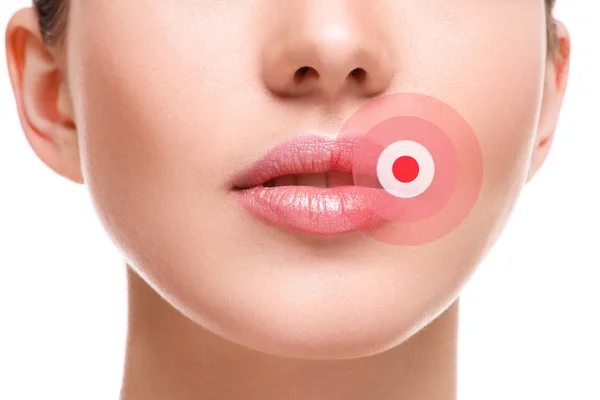
Acne can be a troublesome skin condition that leaves more than a temporary mark. When it comes to understanding why scars follow the breakout, discerning the acne scarring causes is crucial. Whether you’re dealing with fresh breakouts or long-standing acne issues, gaining insights into these causes may better equip you to manage and prevent those lasting blemishes.
What Are Acne Scarring Causes?
Acne scars form when a breakout penetrates the skin deeply and damages the tissues beneath it. There are several factors that contribute to this process:
- Inflammation: The more your skin becomes inflamed, the more likely it is that scarring will occur. Inflamed lesions, such as cysts, nodules, or pustules, are particularly prone to leaving scars.
- Picking and Squeezing: When you pop or squeeze acne, you increase inflammation and spread bacteria, which often results in deeper infection and eventually scarring.
- Genetics: Some individuals are more predisposed to scarring based on their family history. If your parents had acne scars, the chances of scarring increase for you as well.
- Delayed Treatment: Not treating acne in its early stages can cause breakouts to worsen and become more inflamed, leading to scars.
In addition to these causes, lifestyle factors like smoking can exacerbate acne conditions. Learn more about how smoking might affect your skin.
Types of Acne Scars
Understanding the types can also illuminate the acne scarring causes:
- Atrophic Scars: These are the most common type with three subtypes: ice pick, boxcar, and rolling scars. They occur due to the loss of underlying structures that support the skin.
- Hypertrophic Scars: Unlike atrophic, hypertrophic scars sit above the skin level. They are raised, because of excess tissue build-up during the healing process.
- Keloid Scars: A more severe form of hypertrophic scars, keloids extend beyond the original injury and can continue to grow over time.
How to Prevent Acne Scarring
While it might not be possible to prevent all scars, understanding the acne scarring causes can help minimize their appearance:
- Early Treatment: Consult a dermatologist at the onset of acne to prevent severe breakouts from scarring the skin.
- Proper Skincare Routine: Use non-comedogenic products and maintain a cleansing routine to reduce the risk of acne development.
- Avoid Picking: Resist the urge to pop or squeeze pimples to keep inflammation and infection at bay.
- Sun Protection: Scars can worsen with sun exposure, so always use a broad-spectrum sunscreen.
Treatment Options for Scarring
Various treatments are available depending on the type and severity of scars:
- Topical Treatments: Retinoids and alpha hydroxy acids (AHAs) can help improve the appearance of scars by promoting cell turnover and collagen production.
- Laser Therapy: Effective for reducing raised scars and smoothing atrophic scars by removing damaged skin layers.
- Microneedling: This technique induces new collagen production to improve skin texture and reduce scars.
- Chemical Peels: These help to remove the top layer of skin, promoting the regeneration of skin and fading scars.
Before opting for treatments, it is essential to discuss them with a healthcare professional. For more comprehensive information on scar treatment, you might explore resources like this Wikipedia article.
Final Thoughts on Acne Scarring Causes
Acne scarring causes can be numerous and varied, ranging from inflammation to genetic predisposition. Taking care of your skin and seeking timely medical advice can mitigate the risks. By understanding and addressing these causes, you can manage scarring and improve the overall health of your skin.
- Inflammation and delayed treatment contribute to acne scars.
- Picking acne can lead to deeper infections and scarring.
- Genetics might make some individuals more prone to scarring.
- Various treatments are available for reducing scars.
- Professional guidance can prevent and manage acne scars effectively.
FAQ
Can acne scars go away naturally?
While some minor scars may fade over time, deeper scars often require treatment for significant improvement.
Does diet affect acne scarring?
Some studies suggest that certain foods may influence acne, but more research is needed to determine the direct impact on scarring.
Are there any effective home remedies for acne scars?
Though some home remedies may improve skin appearance slightly, professional treatments are more effective for noticeable results.
How long does it take to see results from treatment?
Results may vary based on the treatment type and scar severity; it generally takes several weeks to months.
Should I consult a dermatologist for acne scarring?
Yes, consulting a dermatologist can provide personalized treatment options and improve the overall effectiveness of scar management.