When it comes to exploring the potential benefits of folic acid in hair growth, it’s essential to delve into the science behind this vital nutrient. Folic acid, a form of vitamin B9, is celebrated for its role in cell regeneration and healthy hair follicle development. For many seeking lush and vibrant hair, understanding how folic acid and hair growth are interconnected can provide valuable insights.
The Role of Folic Acid in Hair Growth
Folic acid is crucial for the synthesis of DNA and RNA, making it vital for cell growth and reproduction. This function is especially important for hair follicles, which are among the fastest-growing structures in the body. While the exact mechanisms are still being studied, introducing folic acid into your diet may support the natural hair growth process, promoting fuller and healthier strands.
How Folic Acid Supports Hair Growth
The synthesis of DNA and repairing of cells are fundamental to hair growth. Folic acid aids in the production of these building blocks, which in turn can improve the health and vitality of hair follicles. Additionally, folic acid helps in the formation of red blood cells, which are necessary for transporting oxygen to the scalp and other tissues, benefiting overall hair health.
Incorporating Folic Acid into Your Diet
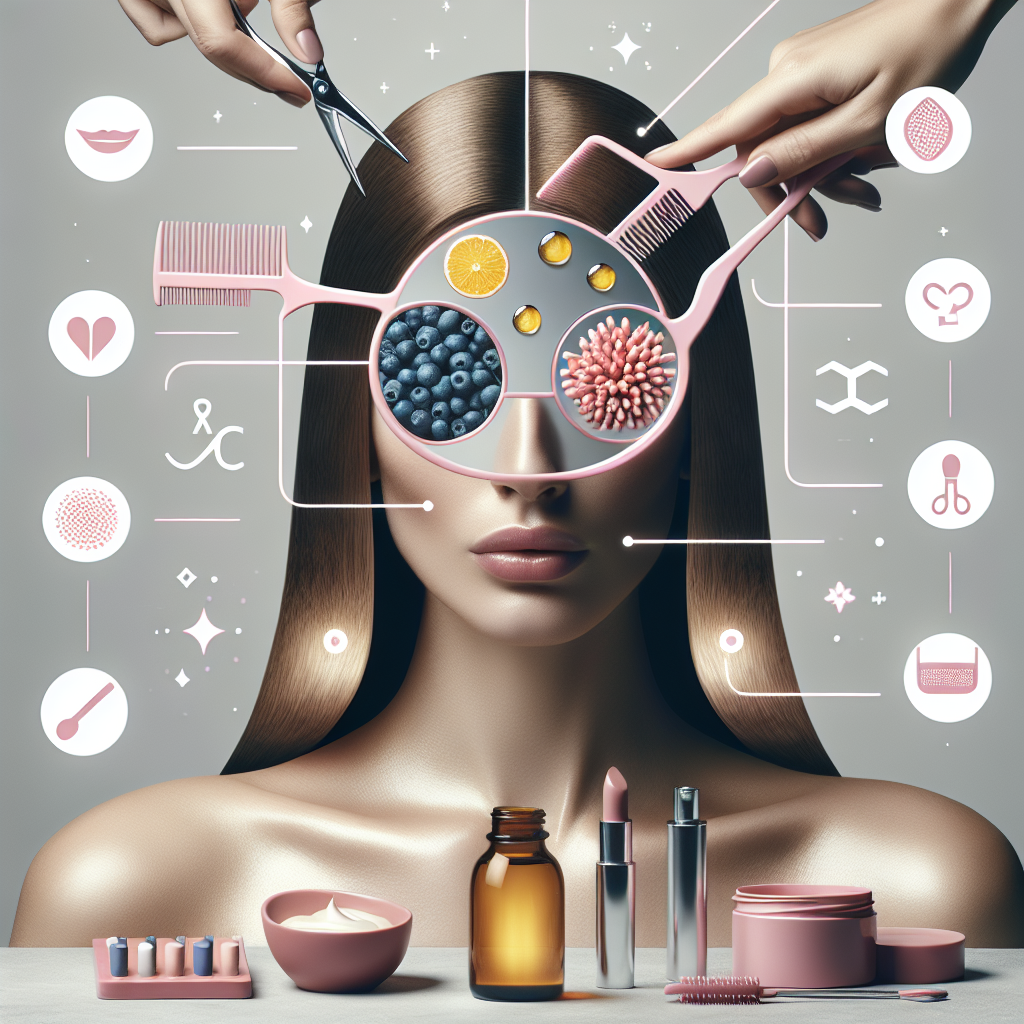
Enhancing your intake of folic acid doesn’t necessarily mean reaching for supplements immediately. Many foods, such as leafy greens, citrus fruits, beans, and fortified cereals, naturally contain this essential vitamin. By opting for a balanced diet rich in these foods, you may provide your hair with the nutrients it needs to support healthy growth.
Folic Acid and Other B Vitamins
While focusing on folic acid, it’s important not to overlook the synergy between different B vitamins. For example, vitamin B12 plays a critical role in maintaining healthy blood and nerve cells, which can contribute further to the promotion of hair growth. Together, a combination of these B vitamins can form a powerful foundation for enhancing hair health.
Additional Factors Influencing Hair Growth
Aside from nutrients, other factors such as genetics, hormonal balance, and overall health can impact hair growth. It’s essential to consider a holistic approach that includes not only nutrition but also stress management, proper hair care, and lifestyle choices to fully support your hair’s vitality.
Consulting with Healthcare Providers
Always seek personalized advice from healthcare providers when considering significant dietary changes or starting new supplements. They can give tailored information, ensuring that what you are doing is safe and effective for your individual health needs.
It’s fascinating to discover how nutrients like folic acid relate to the intricate science of health and hair growth. Whether you’re pursuing dietary adjustments or exploring other hair health strategies, informed choices can make a profound difference.
- Folic acid is a form of vitamin B9, important for DNA and RNA synthesis.
- Incorporating folic acid into your diet may help support hair growth.
- Leafy greens, citrus fruits, and beans are natural sources of folic acid.
- Comprehensive hair care involves nutrition, lifestyle, and stress management.
- Consult healthcare providers for personalized nutritional advice.
Can folic acid deficiencies lead to hair loss?
Yes, folic acid deficiencies can contribute to hair loss as they hinder the production of red blood cells, which affects oxygen transport to hair follicles. However, hair loss can also stem from multiple factors, so it’s essential to address it holistically.
What is the recommended daily intake of folic acid?
The recommended daily intake of folic acid for adults is about 400 micrograms (mcg) according to health guidelines. Pregnant women may require more, but it is important to consult with a healthcare provider for personalized advice.
Can I take folic acid supplements for hair growth?
While folic acid supplements may support hair health, it’s crucial to consult a healthcare provider before starting any new supplement regimen. They can recommend an appropriate dosage and ensure it aligns with your health needs.
Are there any side effects of taking too much folic acid?
Excessive intake of folic acid can lead to side effects such as masking vitamin B12 deficiency. Following the recommended dietary allowances and seeking professional advice can help avoid these potential issues.
Is there a connection between folic acid and prenatal vitamins?
Folic acid is a key component of prenatal vitamins because it plays a significant role in fetal development and minimizing birth defects. The connection emphasizes its importance, not only in prenatal health but also potentially in hair growth support.
Considering these questions demonstrates the multifaceted role of folic acid in hair growth and overall health, encouraging an informed approach to wellness.