When it comes to men’s hairstyles, the high and tight haircut stands out for its clean lines, easy maintenance, and classic appeal. Often seen in military settings, this style has transcended its origins to become a popular choice for men of all backgrounds. With its minimal yet stylish appearance, the high and tight haircut offers a versatile look that can be both professional and casual.
Understanding the High and Tight Haircut
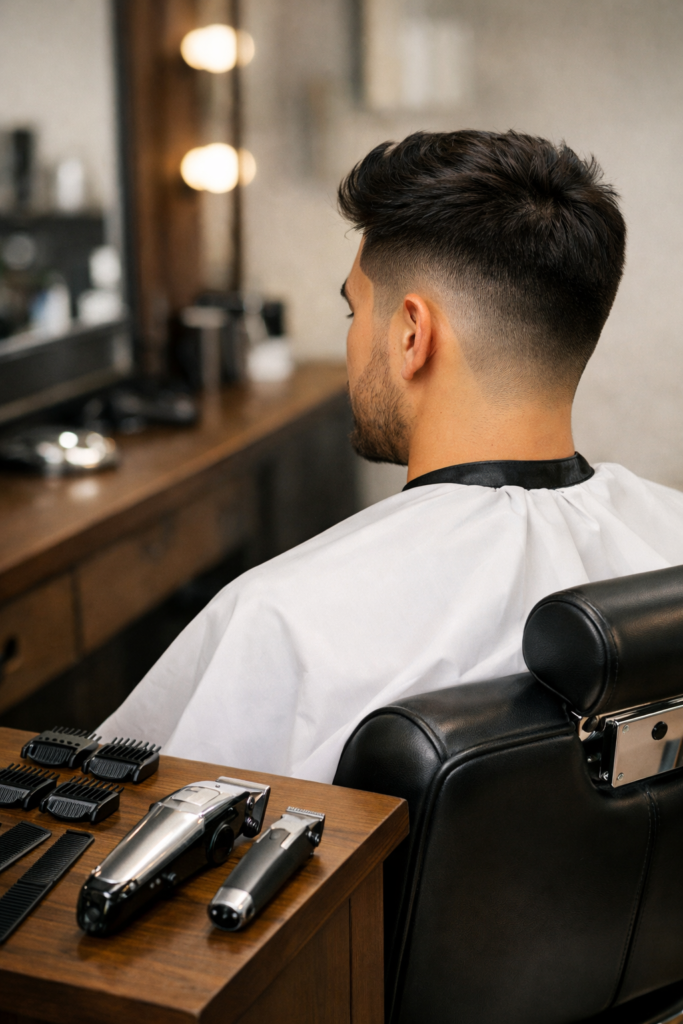
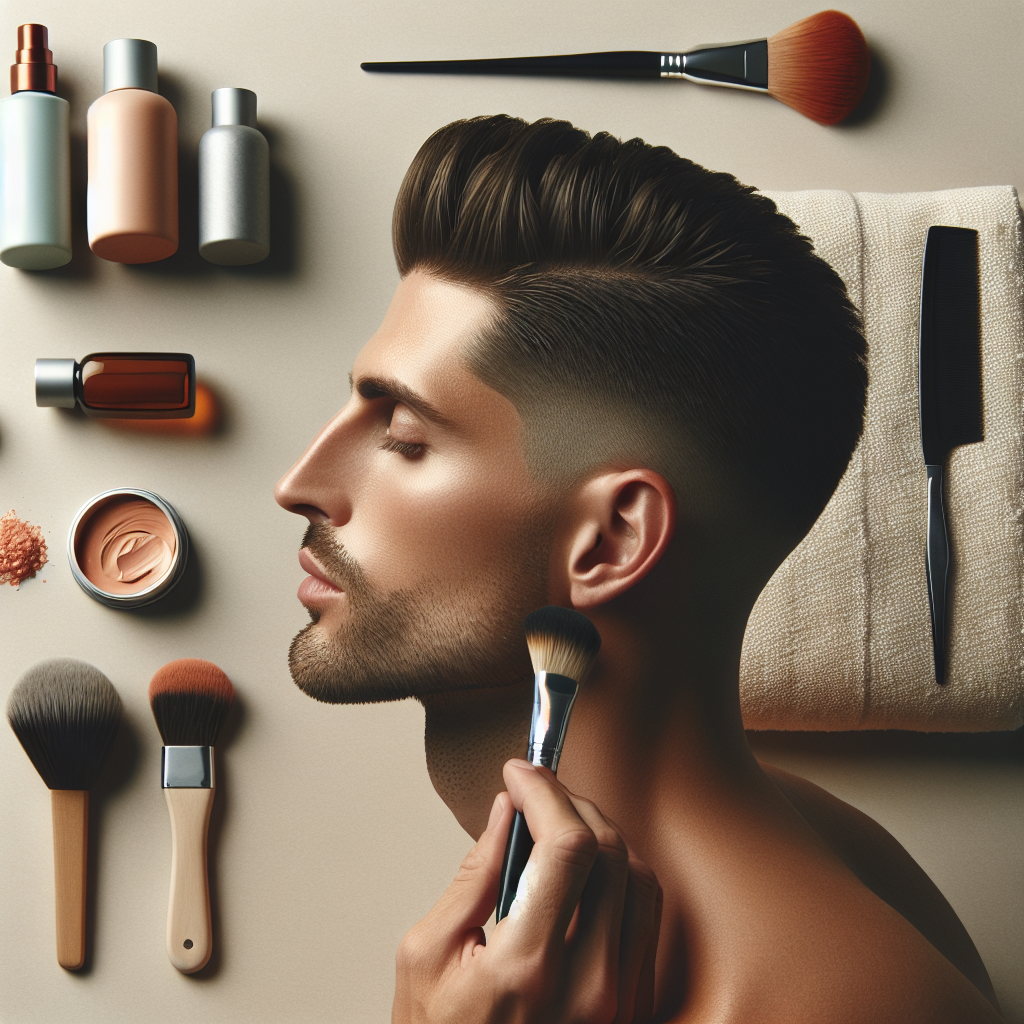
The essence of the high and tight haircut lies in its simplicity. It typically features very short sides and a slightly longer top, resulting in a sharp contrast that accentuates facial features. The variation known as the high and tight fade incorporates a gradual transition from the sides to the top, adding a modern touch to the traditional style.
How to Achieve the Perfect High and Tight
When considering a high and tight, it’s essential to communicate effectively with your barber or stylist. Explain the level of contrast you desire between the sides and the top. Some men prefer a drastic difference, while others opt for a more subtle gradient. Terms like “high tight fade” or “mens hairstyles high and tight” can help convey your vision clearly.
- A clipper guard of #1 or #2 is usually used for the sides and back.
- The top can be left longer, often using a #3 or #4 guard, or cut with scissors for precision.
- The fade option introduces a gradual blending from the very short sides to the longer top, which requires skilled trimming and a keen eye for detail.
Styling Tips and Maintenance
One of the appeals of the high and tight haircut is its low maintenance. Because the sides are so short, you’ll only need to style the top. Products such as pomade, wax, or a light gel can provide texture and hold without needing frequent touch-ups. Regular trims every 2-3 weeks maintain the crisp lines characteristic of the style, ensuring you always look sharp.
Variations to Consider
Within the realm of high and tight haircuts, several variations exist, catering to different personal preferences and lifestyles. The high tight fade is one such variation, where the transition from the shorter sides to the longer top is gradual, creating a smooth, seamless look. Another option is to leave a bit more length on the top, which allows for more creative styling, offering flexibility for those wanting to vary their look from day to day.
For those concerned about thinning hair, the clean lines and close cut of the high and tight can give the illusion of a fuller head of hair. This option might interest you if you’re worried that certain lifestyle factors could lead to hair loss; for more on this topic, see our article on how lifestyle can affect hair health.
Best Face Shapes for the High and Tight Haircut
The high and tight haircut is flattering on many face shapes, but it’s particularly effective in complementing oval, square, and oblong faces. Its neat and defined structure can accentuate strong jawlines and create the appearance of more balanced proportions in rounder faces. The style highlights features without overwhelming them, offering a tailored look that draws attention to the natural contours of your face.
Caring for Your Scalp
With the high and tight, more of your scalp is exposed than with fuller hairstyles. It is vital to care for your scalp by keeping it moisturized and protected from the sun. Make sure to apply a non-greasy moisturizer to prevent dryness and consider using a sunscreen designed for your scalp when spending extended periods outdoors. Regular cleansing to avoid product buildup will also help maintain healthy skin.
Finding Inspiration
Before heading to the barber, gather some images of your ideal high and tight haircut. Whether you’re partial to the high tight fade or another variation, having visual references can ensure you and your stylist are on the same page. Look to fashion magazines, online style forums, and social media platforms for inspiration.
For more on popular styles and self-care routines, an external resource such as the Wikipedia article on modern men’s hairstyles might provide valuable insights and ideas.
By embracing the high and tight haircut, you’re choosing a style that’s functional, easy to maintain, and timelessly fashionable. Its adaptability and understated elegance make it ideal for any occasion, providing both reliability and sophistication.
- The high and tight offers a clean, sharp look suitable for many environments.
- It’s an adaptable style with variations like the fade to suit different tastes.
- This haircut requires regular upkeep but is easy to style daily.
- Protecting your scalp from sun and dryness is crucial.
- Visual references can help achieve your desired style.
FAQs
Is the high and tight haircut suitable for all hair types?
Yes, the high and tight haircut can be adapted to most hair types, although the effect may vary with texture. Straight hair tends to showcase the defined lines and contrast more prominently, while wavy or curly hair might create a softer, less distinct transition.
How often should I get a trim for a high and tight haircut?
For optimal maintenance of the high and tight style, visiting the barber every 2-3 weeks is recommended. This frequency helps maintain the clean lines and prevents the top from becoming overly long and out of proportion with the sides.
Can I achieve a high and tight haircut at home?
While it is possible to attempt a high and tight haircut at home, achieving professional-grade results requires skill and precision. For those new to cutting hair, it’s advisable to seek the services of a professional barber to ensure accuracy.
How can I add variety to my high and tight hairstyle?
To introduce variety, experiment with styling products that provide different textures and finishes. Additionally, altering the length of the top can offer versatility, whether you’re aiming for a conservative look or something trendier like a longer ‘bump’ on top.
Does the high and tight hairstyle affect hair growth?
The high and tight itself does not impact hair growth. However, ensuring your scalp is healthy and well-maintained can support natural hair growth. For more concerns on hair health, consult a dermatologist or hair care specialist.