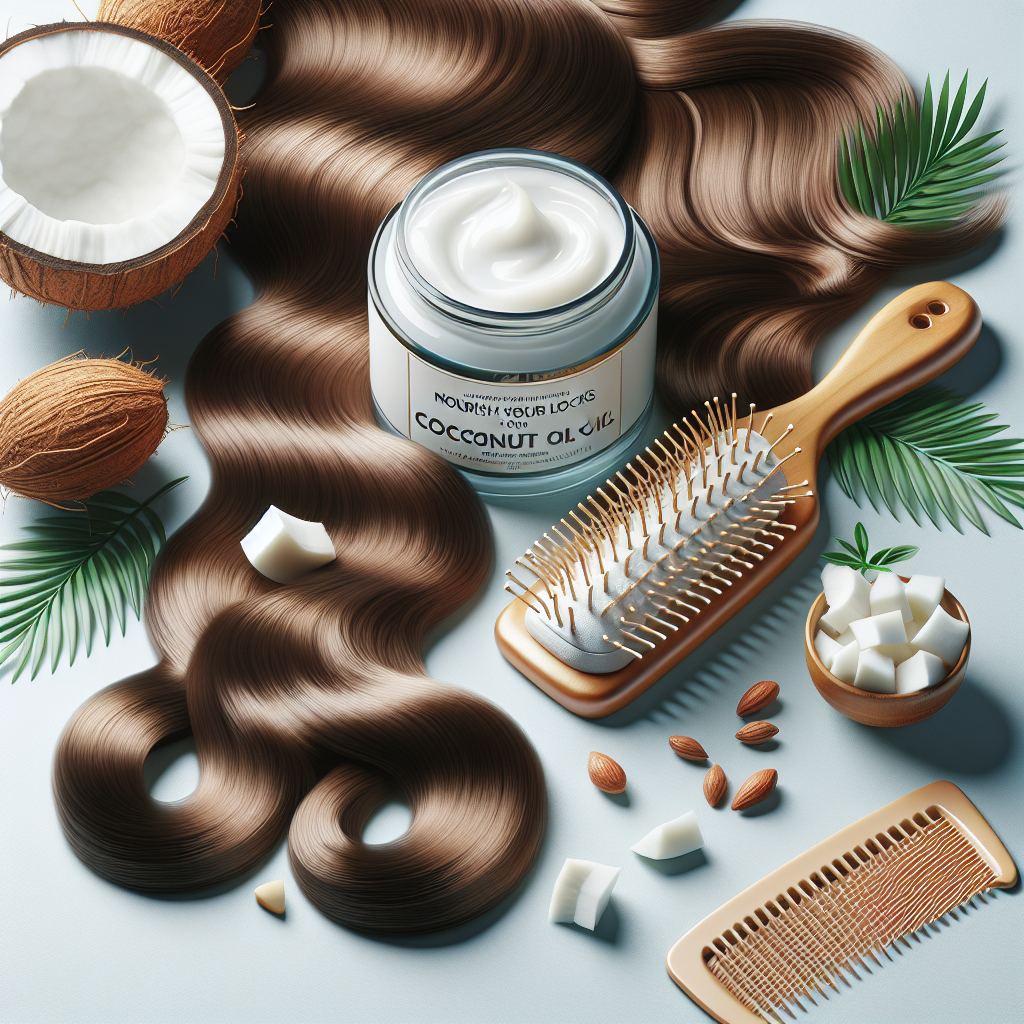
Coconut oil has long been celebrated for its moisturizing properties, making it a popular choice for those opting for an oil treatment for hair with coconut oil. By nourishing and protecting your hair, coconut oil can help improve texture, shine, and manageability. Whether you’re looking to reduce frizz, add luster, or simply care for your hair naturally, coconut oil stands out as a versatile solution. But how do you use coconut oil for hair effectively? Let’s dive into the details.
Oil Treatment for Hair with Coconut Oil
Using coconut oil as an oil treatment for hair can be beneficial for various hair types. It’s important to know that while everybody’s hair responds differently, coconut oil has properties that make it suitable for many. It helps retain moisture, prevent protein loss, and may even protect hair from damage caused by daily styling or harsh weather conditions.
Benefits of Coconut Oil for Hair
Coconut oil is rich in fatty acids, which are essential for maintaining healthy hair. It penetrates the hair shaft more effectively than other oils, making it a fantastic conditioner. Not only does it help reduce protein loss from damaged hair, but it also supports the regrowth process and enhances hydration.
How Do I Use Coconut Oil for Hair?
Applying coconut oil can be straightforward and easy. Start by using a small amount (about a teaspoon) and warm it between your hands until it becomes liquid. Then, work it through your hair, starting from the tips upwards. You can leave it in your hair for at least 30 minutes before washing it out thoroughly. For deeper conditioning, consider leaving it in overnight and washing it out in the morning.
If you’re interested in learning more about maintaining healthy hair through professional washing techniques, you may find our guide on choosing the best products for washing hair beneficial.
Coconut Oil for Different Hair Types
Each hair type may respond differently to coconut oil treatments. Here’s a breakdown based on common hair types:
- Dry or Damaged Hair: Coconut oil can hydrate and repair hair, providing essential nutrients and locking in moisture.
- Oily Hair: Use cautiously on the scalp, focusing instead on the ends to avoid greasiness.
- Curly Hair: Benefit from coconut oil’s smoothing effects, enhancing curl definition and reducing frizz.
Potential Drawbacks
While coconut oil is generally harmless, it may not be suitable for everyone. Some individuals might experience a heavy, greasy feeling after use, which can often be counteracted by adjusting the amount used. Always start with a small quantity to see how your hair responds.
Also, those with specific allergies to nuts or coconuts should consult with a healthcare provider before trying any new treatment that involves coconut oil. Research, like that from credible sources on health, can provide further insights into its benefits and limitations.
Conclusion
Incorporating coconut oil into your hair care routine through an oil treatment for hair with coconut oil can be a game-changer for your locks. Thanks to its natural properties, it offers a simple yet effective way to achieve beautiful, healthy hair. By exploring the benefits and experimenting with how it works best for your hair type, you can enjoy the potential advantages coconut oil brings to the table.
- Coconut oil is rich in beneficial fatty acids.
- It helps maintain hair moisture and reduce protein loss.
- Methods of use vary based on hair type and needs.
- It’s essential to adjust the amount used for optimal results.
- Consult professional guidance if allergic to nuts or coconut origin products.
FAQs
Is coconut oil suitable for all hair types?
While coconut oil can benefit many hair types, it’s best to try it and see how your hair responds. Start with a small amount to avoid a greasy appearance.
How often should I use coconut oil on my hair?
The frequency depends on your hair’s needs. Some may benefit from weekly treatments, while others find monthly applications sufficient.
Can coconut oil promote hair growth?
Coconut oil may support hair health, potentially aiding growth by reducing breakage and moisturizing the scalp. However, it’s not a guaranteed solution for hair growth.
Should I use coconut oil on my scalp?
Using coconut oil on the scalp can hydrate and condition, but be cautious if you have an oily scalp to prevent excess greasiness.
Can coconut oil remove dandruff?
While coconut oil might help reduce dandruff-related dryness, persistent issues should be addressed with a dermatologist’s guidance.