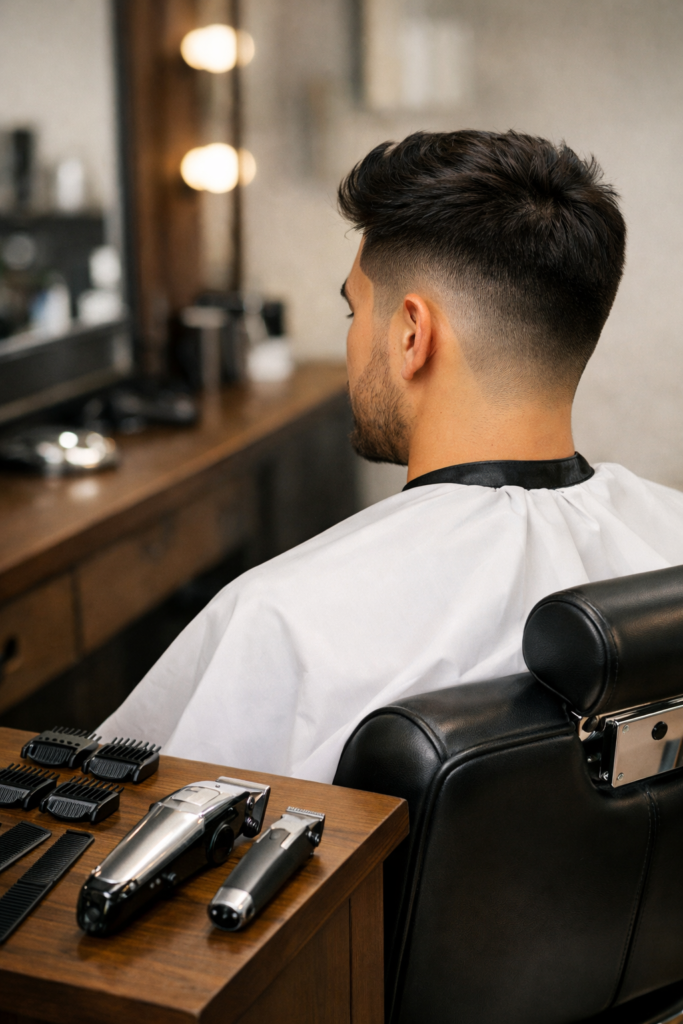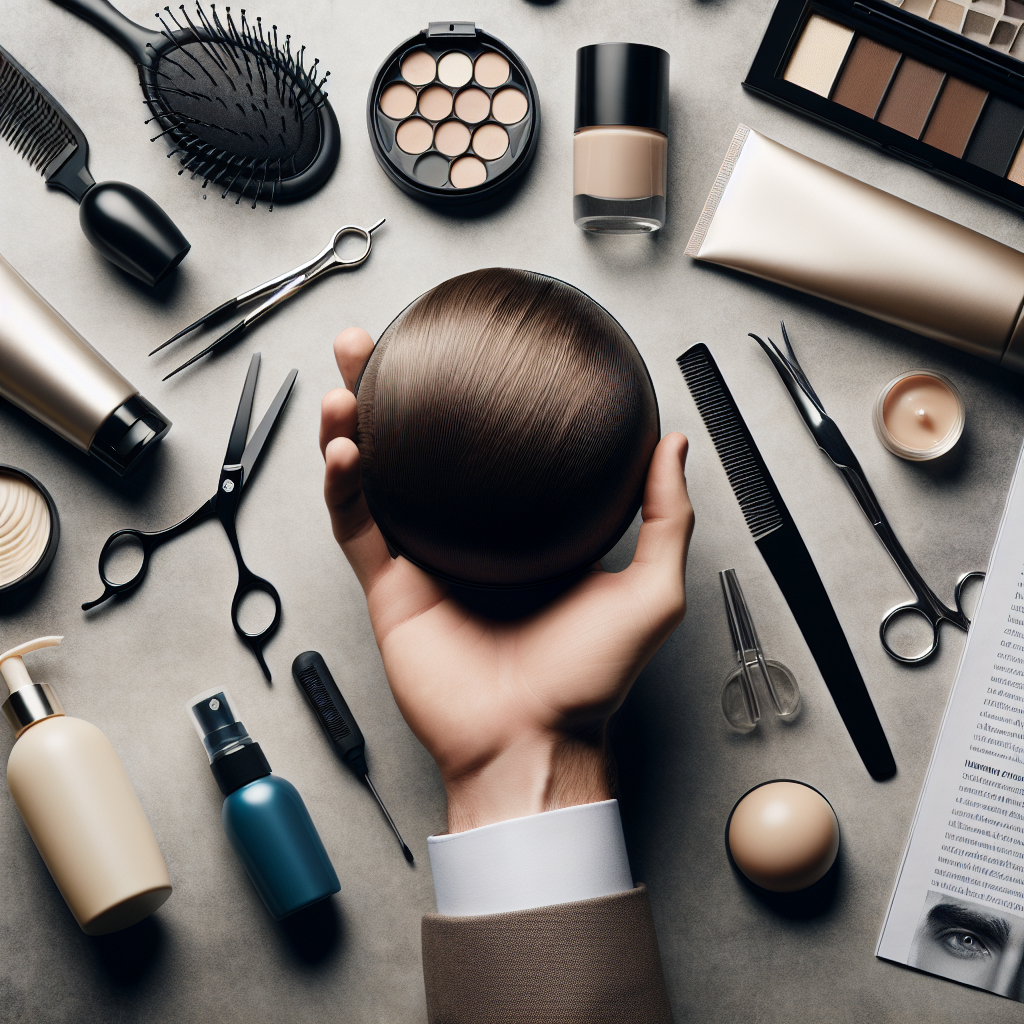
When it comes to modern hair solutions, one question you might be asking is, what is a toupee? Toupees, often associated with hair loss solutions, have evolved significantly from their historical counterparts.
What Is a Toupee?
A toupee is a hairpiece or partial wig worn to cover partial baldness or for theatrical purposes. Traditionally, toupees were made from real hair, but modern advancements have introduced synthetic options that look and feel like natural hair. As a result, they are now considered a viable option for many seeking to enhance or restore their hair. These hairpieces can be custom-fitted to blend seamlessly with existing hair, offering a natural appearance.
The Evolution of Toupees
Toupees have a long history, dating back to ancient civilizations where wigs and hairpieces were used to signify rank and status. Today, they have become a standardized solution for those experiencing hair loss due to genetics, medical conditions, or aging. The craftsmanship involved in creating modern toupees ensures they are lightweight, breathable, and comfortable for extended wear.
Modern Materials and Construction
Modern toupees are constructed using either human hair or high-quality synthetic fibers. Human hair toupees offer a natural look and can be dyed and styled according to personal preference. Synthetic options, on the other hand, come pre-styled and maintain their form regardless of weather conditions. The base materials used for toupees include lace, poly, or a blend of both, providing a mesh-like quality that mimics the scalp’s natural appearance.
Benefits of Using Toupees
The primary benefit of using a toupee is the immediate restoration of hair volume and coverage. For many, this boosts confidence and helps maintain a youthful appearance. Toupees also offer styling versatility and are often less invasive and more affordable compared to surgical hair restoration methods. Additionally, modern toupees require minimal maintenance compared to earlier models.
Choosing the Right Toupee
Selecting the right toupee involves considering factors such as lifestyle, maintenance routines, and budget. It’s essential to consult with a stylist or professional to find a toupee that suits your specific needs. They can provide guidance on the best materials, styles, and attachment methods to ensure comfort and longevity.
Attachment Techniques
Toupees can be attached using various methods, including adhesives, clips, or tapes. Adhesives offer a more permanent solution and are often favored for their lasting hold. Clips allow the wearer to remove the toupee daily, offering flexibility without compromising on security. It’s important to choose an attachment method that aligns with your lifestyle and comfort preferences.
Integrating Toupees with Other Hair Solutions
Aside from toupees, other hair loss solutions include prescription treatments, surgery, and cosmetic products. Understanding how toupees can complement these solutions is vital. For instance, while topical treatments may aid hair regrowth, a toupee can cover areas with significant thinning. You can explore how other factors such as steroid use might affect hair by visiting our article on the impacts of steroids on hair loss.
Maintaining Your Toupee
Proper maintenance of your toupee ensures longevity and consistent appearance. Regular cleaning with specialized shampoos, coupled with gentle handling, preserves the texture and structure of the hairpiece. It’s also advisable to seek professional cleaning services periodically to keep your toupee in top condition.
Potential Drawbacks of Toupees
While toupees offer many benefits, potential drawbacks include the initial cost and the need for maintenance. Adhesive attachments might cause scalp irritation for sensitive individuals. Additionally, choosing a low-quality toupee can result in an unnatural appearance, emphasizing the need for quality craftsmanship and professional fitting.
In conclusion, when asked what is a toupee, it’s clear they are versatile solutions for hair coverage, combining both tradition and modern technology. They offer an immediate transformation that can enhance one’s appearance and confidence.
- Toupees have evolved to be more natural-looking and comfortable.
- They come in both human hair and synthetic options.
- Choosing the right toupee involves considering lifestyle and maintenance.
- Attachment methods vary, offering flexibility or permanence.
- Proper care is essential for maintaining the longevity and appearance of a toupee.
What is a toupee?
A toupee is a type of hairpiece used to cover bald or thinning areas on the scalp, available in natural and synthetic materials.
Can a toupee look natural?
Yes, with modern materials and construction techniques, toupees can be crafted to closely mimic natural hair, especially when custom-fitted.
How does a toupee stay on?
Toupees can be attached using adhesives, tapes, or clips, depending on the wearer’s preference and lifestyle needs.
Are toupees noticeable?
A well-made toupee can blend seamlessly with natural hair, making it almost indistinguishable when properly fitted and styled.
How long does a toupee last?
The lifespan of a toupee depends on materials, maintenance, and usage frequency, with many lasting from several months to over a year with proper care.