Understanding the difference between a widows peak vs receding hairline is essential for anyone curious about their hairline’s aesthetics. While both are common, they differ in presentation and implications. Let’s explore what sets these two apart and how you can embrace or manage each in your own way.
Widows Peak vs Receding Hairline: Key Differences
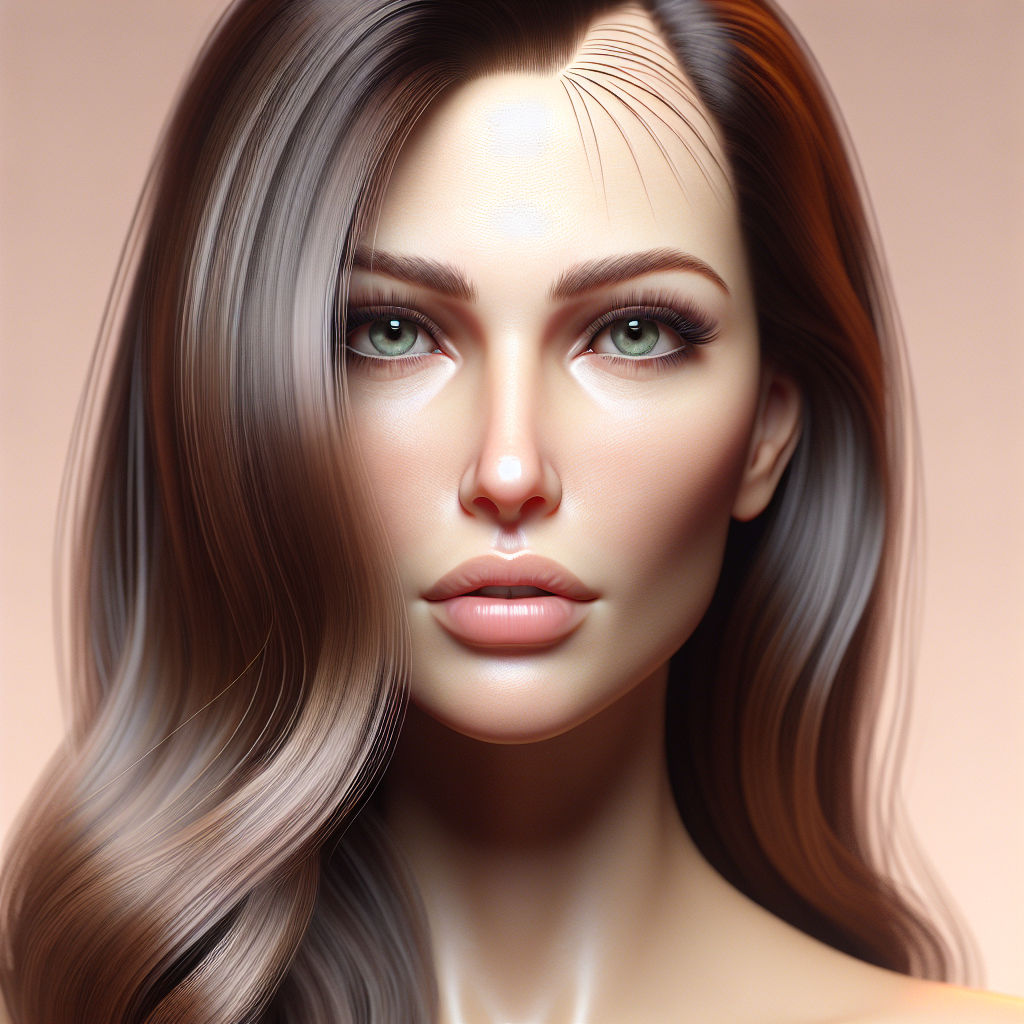
A widows peak is a distinct V-shaped point at the hairline in the center of the forehead. It is a natural and often hereditary hairline feature. A receding hairline, however, is generally associated with hair thinning and loss, starting at the temples and moving back over time.
Identifying a Widow’s Peak
A widow’s peak is usually evident from a young age if it’s present, thanks to a pronounced point that tends to form at the front and center of the hairline. It’s a genetic trait passed down through families and can add an intriguing feature to a person’s overall look. Celebrities like Leonardo DiCaprio and Kourtney Kardashian rock their widow’s peaks with confidence and style.
Recognizing a Receding Hairline
Unlike the widow’s peak, a receding hairline is often part of the natural aging process in men and less commonly in women. This change usually begins at the temples, slowly proceeding back toward the top of the head. Factors such as genetics, age, hormonal changes, and even stress can influence the prominence and speed of hairline recession.
How to Diagnose Your Hairline
Analyzing your hairline for changes can help determine if you have a widow’s peak or if you’re experiencing hair recession. You may consult a dermatologist for a professional assessment if unsure. They can provide guidance on maintaining hair health and suggest appropriate treatments if necessary.
Also, explore lifestyle factors and underlying conditions that might contribute to hair changes. For more information on how external factors influence hair health, you can read about the potential effects of steroids on hair loss.
Style Suggestions for Each Hairline
Embracing your natural hairline can boost your confidence and complement your appearance. Here are styling tips tailored to each:
For a Widow’s Peak
Work with your widow’s peak by trying haircuts that accentuate the point, such as side-parted styles or flowing longer hair to frame the face. A slight fringe or bangs can also offer a softer look, depending on personal style preferences.
For a Receding Hairline
Consider opting for shorter hairstyles that reduce contrast and draw less attention to receding areas. Buzz cuts, crew cuts, or shaven looks are popular choices. Additionally, hair-thickening products or volumizing sprays can create the illusion of fuller hair.
Maintaining Healthy Hair
Regardless of your hairline type, maintaining healthy hair is crucial. Focus on a balanced diet, stay hydrated, and avoid harsh chemicals and heat styling. Regular scalp massages can also stimulate circulation and promote hair health.
Consult with a healthcare provider for personalized advice if you’re experiencing significant hair changes. For a broader understanding of hair and health, visit this external resource.
Closing Thoughts on Widows Peak vs Receding Hairline
Whether you’re exploring a widows peak vs receding hairline, embracing natural hairline features or managing changes with confidence is within reach. Understanding these differences can help you make stylish and healthy choices that best suit your identity and preferences. Knowledge is empowering, so take control of your hair care journey today.
- A widow’s peak is a natural, V-shaped hairline point.
- A receding hairline involves hair loss beginning at the temples.
- Both features can be hereditary or influenced by lifestyle.
- Styling and health maintenance are key to embracing each hairline type.
- Consult professionals for tailored advice and treatments.
FAQs
What causes a widow’s peak?
A widow’s peak is primarily hereditary, passed down through genetics. It is a natural variation of hairline shape and does not signify hair loss.
Can a widow’s peak become a receding hairline?
Yes, it is possible for a widow’s peak to change into a receding hairline as part of the normal aging process, influenced by factors such as genetics, hormonal shifts, or lifestyle changes.
How do I know if my hairline is receding?
A receding hairline typically begins with thinning hair at the temples, moving back toward the top of the head. Monitoring these changes over time or consulting a dermatologist can provide clarity.
Are there treatments for a receding hairline?
Treatments for a receding hairline include topical applications, medications, and lifestyle adjustments. It is essential to discuss options with a healthcare provider to choose the right approach for you.
Can hairstyle impact the perception of my hairline?
Yes, certain hairstyles can enhance or de-emphasize your hairline. Choosing a style that suits your hairline type can make a significant difference in appearance and confidence.