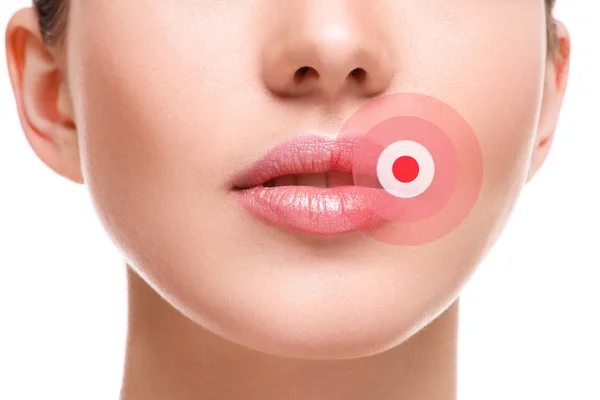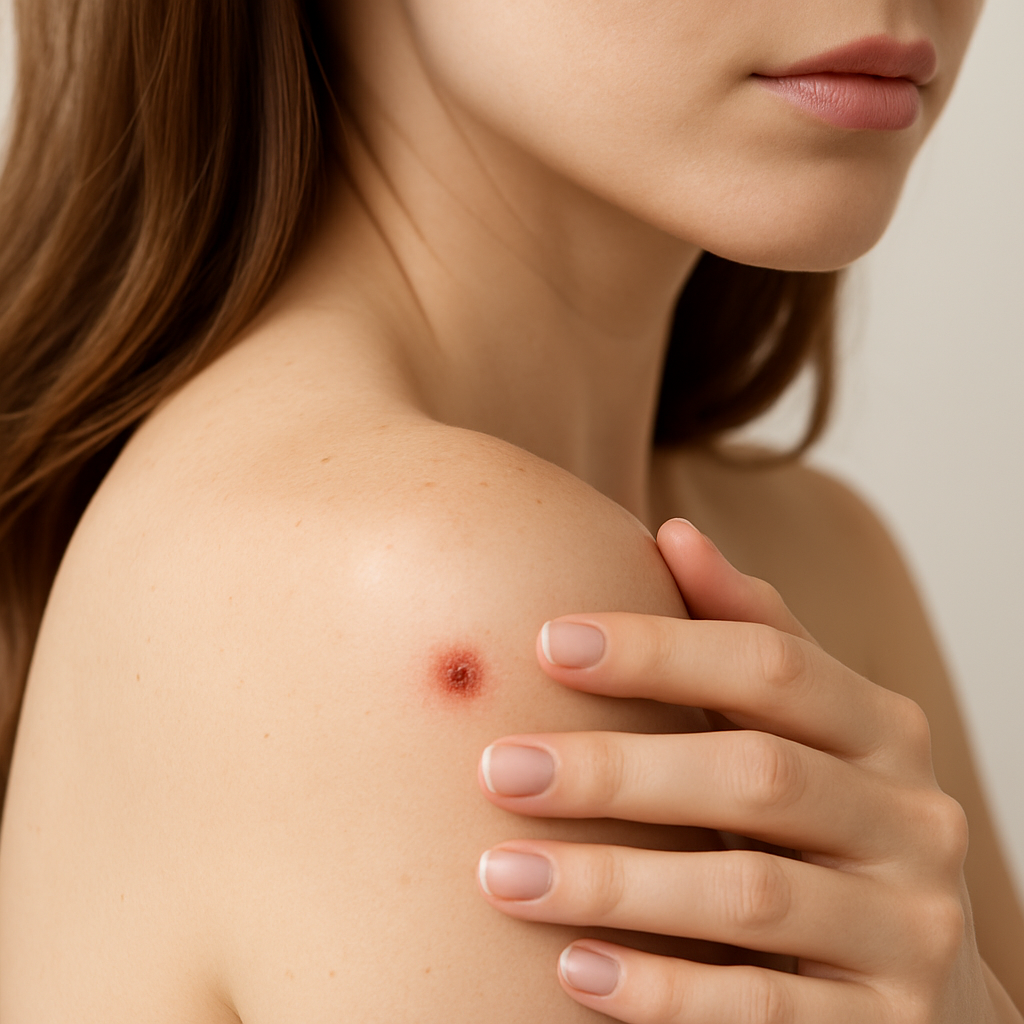
Discovering a small scab that won’t heal can be concerning for skin health. Often, the skin naturally goes through cycles of damage and repair, leading to the occasional scab. However, if a scab persists and seems resistant to healing, it may be indicative of an underlying issue. Understanding when to seek professional advice is crucial for maintaining healthy skin.
Why a Small Scab That Won’t Heal Is a Red Flag
It’s essential to pay attention to small scabs that don’t heal as they may signal more than just a minor injury. Various factors could hinder the healing process, including certain skin conditions or external influences. By identifying the root cause, you can take steps to effectively manage your skin health.
Common Causes of Non-Healing Scabs
A small scab that won’t heal might be triggered by multiple factors. One common cause is a repetitive injury, where the scab is repeatedly aggravated. Additionally, underlying skin conditions such as eczema or psoriasis can disrupt the natural healing process.
Another potential culprit could be an infection. Bacterial or fungal infections can prevent scabs from closing and lead to further complications if not addressed promptly. A comprehensive approach to skin care, including appropriate cleansing routines, can help manage such infections.
Medical Conditions That May Affect Healing
Certain medical conditions might impair skin regeneration and healing. For example, diabetes can cause poor circulation, which may slow down recovery from skin injuries. Similarly, a compromised immune system can reduce the skin’s ability to repair itself efficiently.
When dealing with a small scab that won’t heal, consider if underlying health issues might be at play. Consulting a healthcare provider can help determine any potential medical conditions that need attention.
Environmental Factors and Lifestyle Influences
External factors, including environmental conditions and lifestyle habits, also impact how well a scab heals. Harsh weather, exposure to pollutants, or even skincare products that are too weak can affect healing. Explore five signs your cleanser may be too weak and learn how to choose products that support healthier skin.
Additionally, maintaining a balanced diet and staying hydrated can support overall skin health, aiding in quicker recovery of any wounds or scabs.
When to Seek Professional Advice
If you notice that a scab persists beyond a few weeks, or if it is accompanied by symptoms such as redness, swelling, or unusual discharge, it’s wise to seek professional medical advice. A dermatologist can provide insights into potential causes and recommend treatments tailored to your skin’s needs.
Early detection of issues like skin cancer can be crucial, and persistent non-healing wounds should never be ignored. For more information on skin health, consider visiting this informative page on skin health.
Maintaining skin health involves being attentive to signs like a small scab that won’t heal. Addressing it promptly with the right care and professional guidance can protect your skin and overall health.
- Non-healing scabs might indicate underlying skin issues or infections.
- Medical conditions like diabetes can impede scab healing.
- Environmental factors and weak skincare products can affect skin recovery.
- Consulting a dermatologist is advisable when a scab persists.
- Early intervention is key to maintaining skin health.
What should I do if a scab won’t heal?
If a scab persistently refuses to heal, consider consulting a healthcare professional. They can offer a diagnosis and appropriate treatment options.
Are non-healing scabs a sign of skin cancer?
While not all non-healing scabs indicate skin cancer, they could be a warning sign. It’s important to have any persistent scabs evaluated by a doctor to rule out serious conditions.
Can my diet affect how my scabs heal?
Yes, nutritional deficiencies can affect skin health and healing. Ensuring a balanced diet rich in vitamins and minerals supports faster recovery.
How can skincare products impact scab healing?
Using the wrong products, such as those that are too harsh or too mild, can hinder healing. Moisturizing and gentle cleansers can aid in skin recovery.
When is it necessary to get a small scab checked by a doctor?
If a small scab doesn’t improve with basic care within three to four weeks or shows signs of infection, it’s important to consult a medical professional for further evaluation and management.