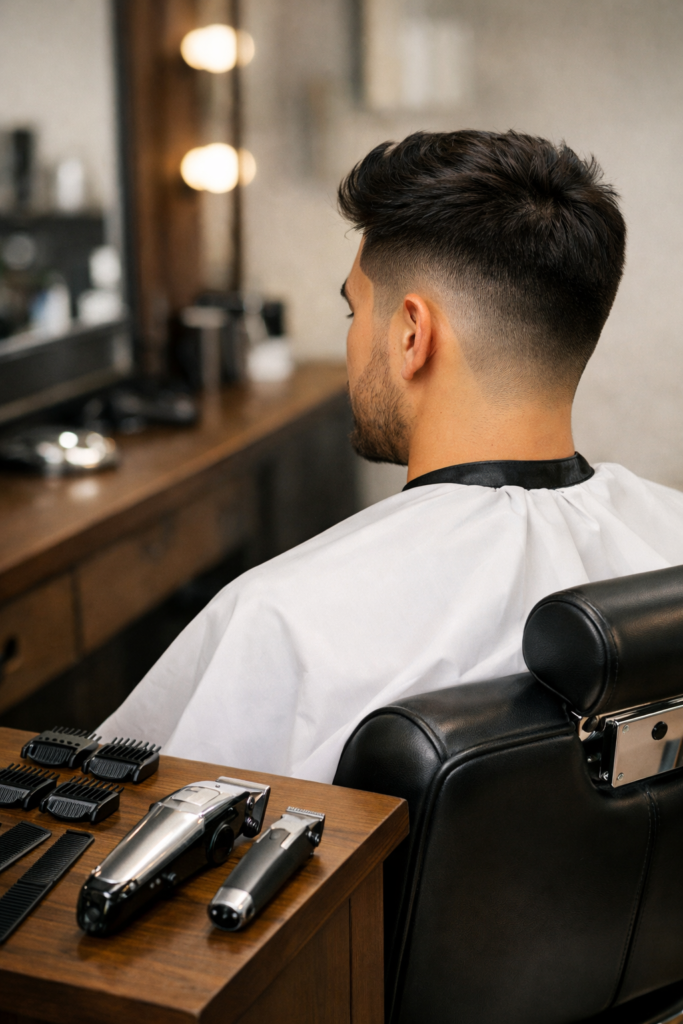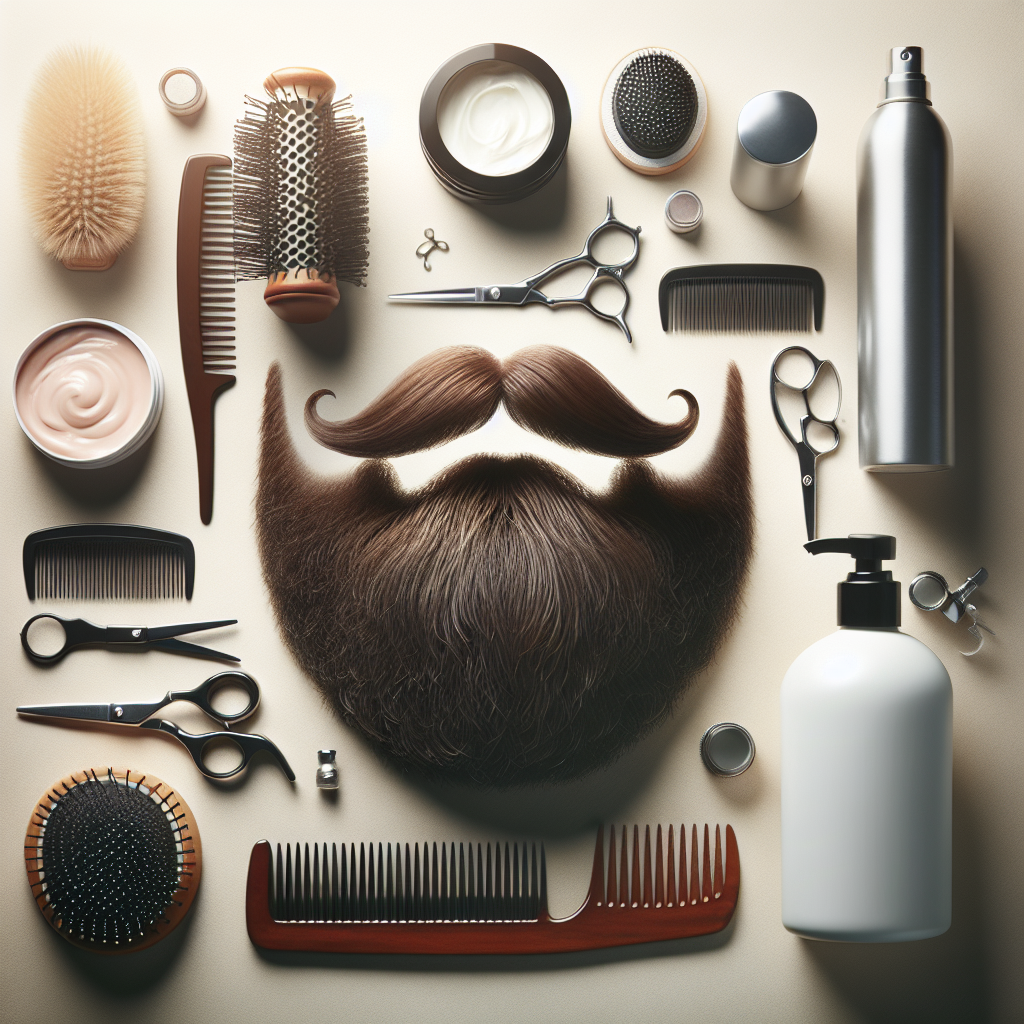
Understanding the various types of beard hair is essential for anyone looking to maintain or enhance their facial hair. Whether you’re dealing with a thick, luxurious beard or a sparse, lighter one, recognizing the different types and knowing how to care for them can make all the difference. In this guide, we’ll delve into the characteristics that define these types, how they grow, and what can be done to manage and style them effectively.
Diverse Types of Beard Hair
Beard hair can vary greatly in terms of texture, thickness, and growth pattern. These differences are largely dictated by genetics but can also be influenced by other factors like age and health. Understanding the specific type of beard hair you have helps in choosing the right grooming techniques and products.
1. Fine Beard Hair
Fine beard hair is often soft to the touch and may appear less dense. This type can be easier to manage and may not require as much maintenance. However, growing it to achieve a fuller look may take time and patience. Products that add volume and moisture can help enhance fine beard hair.
2. Coarse Beard Hair
Characterized by its thickness and texture, coarse beard hair is often robust and full. While it provides a dense, masculine appearance, it can sometimes feel rough and be prone to dryness. Hydrating oils and regular conditioning are vital for keeping coarse beard hair healthy and manageable.
3. Curly Beard Hair
Curly beard hair presents its own unique set of challenges and beauty. The curls can contribute to a voluminous look but may also become tangled or frizzy without proper care. Utilizing a beard comb or brush regularly helps to detangle, and a suitable balm can maintain curl definition.
4. Straight Beard Hair
Straight beard hair often lies flat against the face, providing a sleek appearance. This type is generally easier to style but may lack the volume other types naturally possess. Styling products that add texture can help create fullness and enhance straight beard hair’s appearance.
Maintaining Different Types of Beard Hair
Once you identify your beard hair type, maintaining it involves selecting suitable grooming tools and products. Regular trimming, washing with beard-specific shampoos, and conditioning play critical roles in maintaining a healthy beard. In some cases, you may need to adjust your grooming routine to address specific concerns like dryness or uneven growth.
Use of Appropriate Products
For various types of beard hair, specific products can greatly enhance grooming outcomes. Beard oils and balms specifically designed to nourish and style particular hair types provide necessary vitamins and hydration.
Regular Trimming and Styling
Regardless of beard type, regular trimming keeps your beard looking its best. The frequency of trimming may vary based on personal preference and hair growth rate. Additionally, experimenting with different beard styles can help highlight the strengths of your beard hair type.
Addressing Common Concerns
Whether you’re experiencing uneven growth, itchiness, or hair loss concerns, it’s crucial to address these issues with appropriate solutions. Consulting with a dermatologist can offer tailored advice for concerns such as hair loss. For more insights into managing potential hair loss, read our guide on how steroids can affect hair conditions.
Understanding the different types of beard hair enables better grooming and a more tailored approach to personal style. By selecting the right products and techniques, you can maintain a healthy and aesthetically pleasing appearance.
- Understanding your beard type is key to proper care.
- Select products crafted specifically for your hair type.
- Regular trimming and hygiene practices are essential.
- Consult professionals for advice on persistent issues.
- Adapting grooming habits to suit hair type enhances results.
Frequently Asked Questions
How can I make my beard appear fuller?
Utilizing volumizing products and adopting a grooming routine that includes regular brushing can create the appearance of a fuller beard.
Can different beard hair types require different grooming tools?
Yes, selecting brushes or combs that suit the texture and type of your beard hair can improve grooming efficiency and outcomes.
Is beard oil necessary for all beard types?
While not mandatory, beard oil is beneficial for most types, offering moisture, reducing itchiness, and providing a healthy sheen.
What should I do if my beard is patchy?
Trying styles that complement patchiness, along with using products aimed at promoting thickness, can help reduce the appearance of a patchy beard.
How often should I wash my beard?
Washing your beard 2-3 times a week with a beard shampoo can maintain cleanliness without stripping natural oils.
For further reading on health and its various elements, you may find more information at this external link on health.