High porosity hair is a unique hair type characterized by its ability to absorb moisture quickly but is equally quick to lose it. This attribute can lead to challenges when it comes to maintaining hydration, shine, and strength. Understanding how to care for high porosity hair can unlock the secrets to achieving luscious, beautiful locks.
What is High Porosity Hair?
High porosity hair often has gaps and holes in the hair cuticle, which makes it more prone to damage and frizz. Factors like chemical processing, heat styling, and environmental damage can contribute to increased porosity. Identifying and understanding your hair porosity is crucial in choosing the right products and treatments to ensure your hair looks its best.
Caring for High Porosity Hair
To manage high porosity hair, focus on sealing moisture into the hair cuticle. Look for products that contain natural oils and butters, which can help create a barrier on the hair’s surface to lock in moisture.
Using the Right Products
Products rich in proteins and emollients can help strengthen and smoothen the hair. Ingredients such as coconut oil, shea butter, and argan oil are particularly beneficial. A regular routine of deep conditioning can also mitigate some of the drying effects associated with high porosity hair.
Choosing the right hairbrush is another important factor. Using a brush designed for your hair type can greatly affect hair health and styling outcomes. To learn more about which brush is best for high porosity hair, check out our guide to choosing a hairbrush.
Styling Tips
When styling high porosity hair, use heat protectants to prevent further damage from styling tools. Air drying is another effective method to limit heat exposure. Moreover, applying leave-in conditioners or styling creams can help maintain moisture and reduce frizz throughout the day.
Common Challenges and Solutions
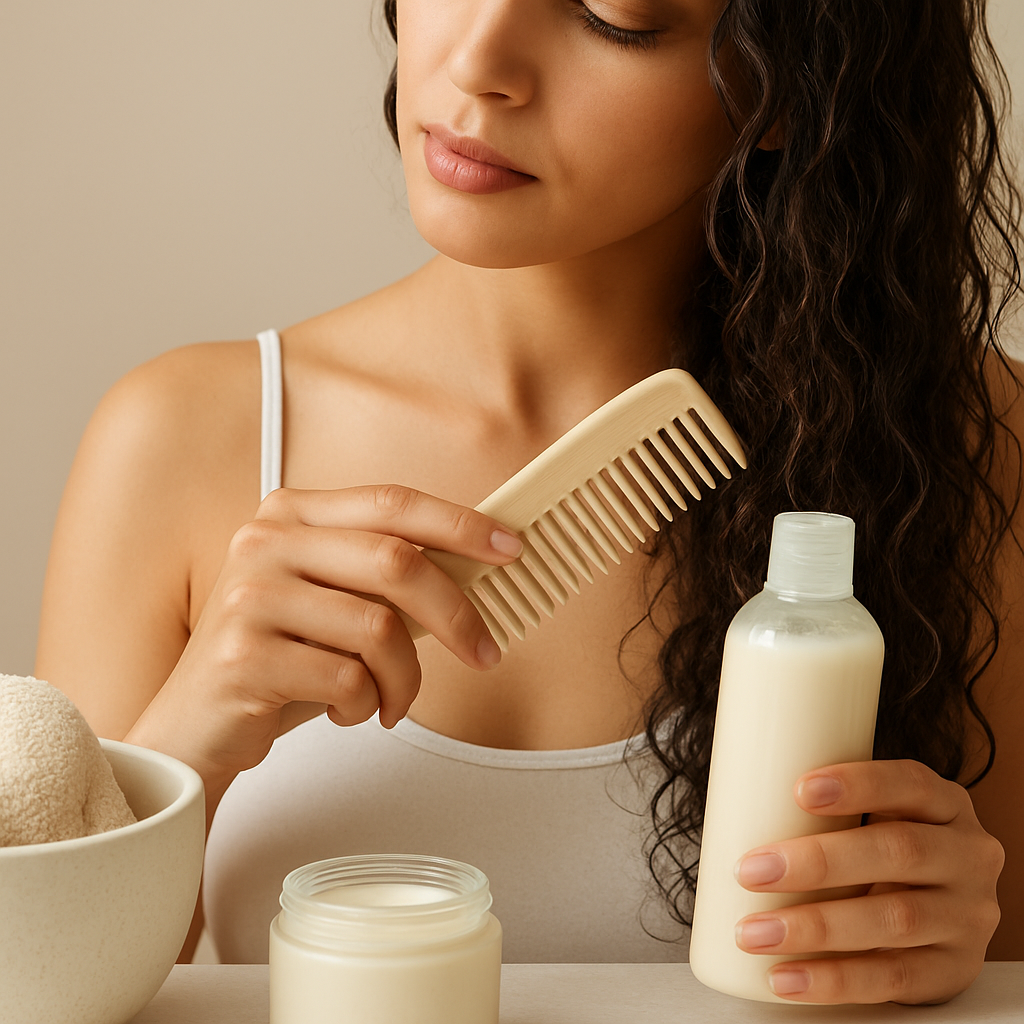
One of the most common challenges with high porosity hair is frizz and tangles. To manage this, incorporate products that offer slip, making detangling easier. Using wide-toothed combs or fingers to gently remove knots can prevent breakage.
Protective Hairstyles
Opting for protective hairstyles can help lessen exposure to environmental stressors while reducing friction that can lead to breakage. Consider styles like braids, twists, or buns that not only protect your hair but also help in retaining moisture.
Final Thoughts on High Porosity Hair
The key to managing high porosity hair is understanding its unique needs and adapting your hair care routine accordingly. With the right approach, you can enhance the natural beauty and health of your hair. Regularly moisturizing, minimizing heat usage, and selecting suitable products are integral steps in caring for high porosity hair. For further details on hair care, you might find it helpful to read more on health and wellness resources.
- High porosity hair absorbs and loses moisture quickly.
- Use protein-rich and emollient-containing products for better hydration.
- Protective styles can help minimize damage.
- Gentle detangling reduces breakage risks.
- Regular deep conditioning is essential.
FAQs on High Porosity Hair
What causes high porosity hair?
High porosity hair can be due to genetic factors or result from damage caused by chemical treatments, heat styling, or environmental exposure.
How can I tell if I have high porosity hair?
You can perform a porosity test by placing a strand of your hair in a glass of water. If it sinks quickly, your hair may be highly porous.
Is protein treatment good for high porosity hair?
Yes, protein treatments can help strengthen the hair by filling in gaps along the cuticle, making it more resilient and less prone to damage.
How often should I moisturize high porosity hair?
High porosity hair benefits from frequent moisture, so consider using moisturizing products daily or every other day to maintain hydration.
Are there any styling tips for high porosity hair?
Use leave-in conditioners or creams, minimize heat exposure, and embrace protective hairstyles like braids or twists to reduce damage and maintain moisture.