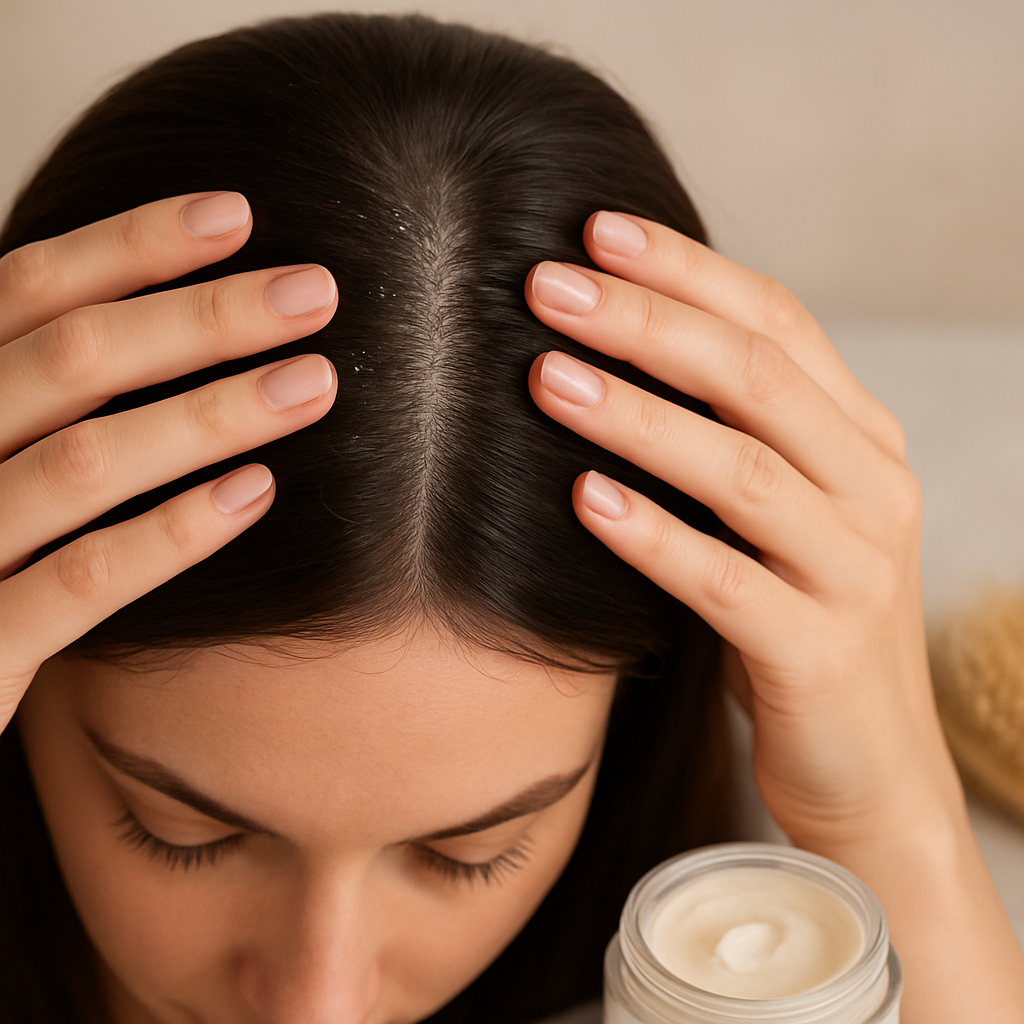
A dry scalp can be both uncomfortable and frustrating, leading many to wonder what causes dry scalp. Understanding the underlying reasons can help in addressing the problem effectively and restoring a healthier scalp environment. This article delves into the common causes, from environmental factors to underlying health conditions, to give you a clearer picture.
Understanding What Causes Dry Scalp
Dry scalp is often a result of several contributing factors. It’s essential to identify these causes to find the appropriate treatment and relief. Here’s a closer look at the most common causes:
1. Environmental Factors
Environmental conditions play a significant role in dry scalp development. Cold and windy weather can strip moisture from the skin, leading to dryness and flakiness. Similarly, dry indoor air during winters can exacerbate the problem. Protecting your scalp from harsh weather and using humidifiers indoors can mitigate this issue.
2. Hair Care Practices
Frequent washing, especially with harsh shampoos, can strip natural oils from your scalp, while not washing enough can lead to buildup of products and oils causing irritation. Finding a balanced hair care routine that suits your scalp type is crucial in avoiding dry scalp.
3. Skin Conditions
Skin conditions like psoriasis and eczema are common dry scalp causes. These conditions often lead to dry patches, itching, and irritation. Managing these conditions often requires specialized treatments and the guidance of a healthcare professional.
4. Health and Dietary Influences
Nutritional deficiencies, such as insufficient intake of omega-3 fatty acids or vitamins, can impact scalp health. Staying hydrated and maintaining a balanced diet rich in essential nutrients can support a healthier scalp.
5. Stress and Lifestyle
Stress is often overlooked but can significantly impact your skin, including the scalp. Stress management techniques might help reduce its harmful effects on the body.
For a deeper understanding of how other factors, like medications, might affect your hair and scalp, visit our article on Will Steroids Cause Hair Loss.
Additionally, conditions like dandruff, though primarily a different concern, can sometimes mimic dry scalp symptoms. Understanding the differences and similarities between these can also be key to finding the right treatment approach.
Using the Right Products
Choosing products with natural ingredients and those specifically formulated for dry scalp can be beneficial. Look for ingredients like coconut oil, aloe, and tea tree oil which are known for their soothing properties. Always patch-test new products to avoid adverse reactions.
When to See a Doctor
If you find that your dry scalp persists despite following the above measures, it may be time to consult a dermatologist. Persistent dryness can sometimes indicate underlying health issues that need professional attention.
For more detailed information about health and wellness, you can visit this comprehensive resource.
Understanding what causes dry scalp is pivotal in taking the right steps toward maintaining a healthy scalp. By identifying the root cause, whether it’s environmental, dietary, or related to hair care habits, you can tailor a solution that alleviates discomfort and improves scalp health.
- Suffering from dry scalp can result from environmental, care habits, or health conditions.
- Balancing your hair care routine is essential for managing scalp moisture.
- Consult a professional for persistent or severe dry scalp issues.
FAQs
What are the main causes of a dry scalp?
A dry scalp can be caused by environmental factors, inappropriate hair care practices, skin conditions like eczema or psoriasis, nutritional deficiencies, and stress.
How can I differentiate between dry scalp and dandruff?
While both conditions involve flakiness, dandruff is typically associated with oily skin and larger flakes, whereas dry scalp flakes are smaller and usually dry.
Can a change in diet improve dry scalp?
A well-balanced diet rich in omega-3 fatty acids and vitamins can support scalp health, potentially alleviating dryness.
Are there specific ingredients I should look for in shampoos for dry scalp?
Look for shampoos containing soothing ingredients like aloe, coconut oil, or tea tree oil, which can help nourish and hydrate the scalp.
When should I seek professional help for dry scalp?
If home remedies and over-the-counter treatments do not relieve your symptoms, or if you suspect an underlying condition, it’s advisable to consult a dermatologist.