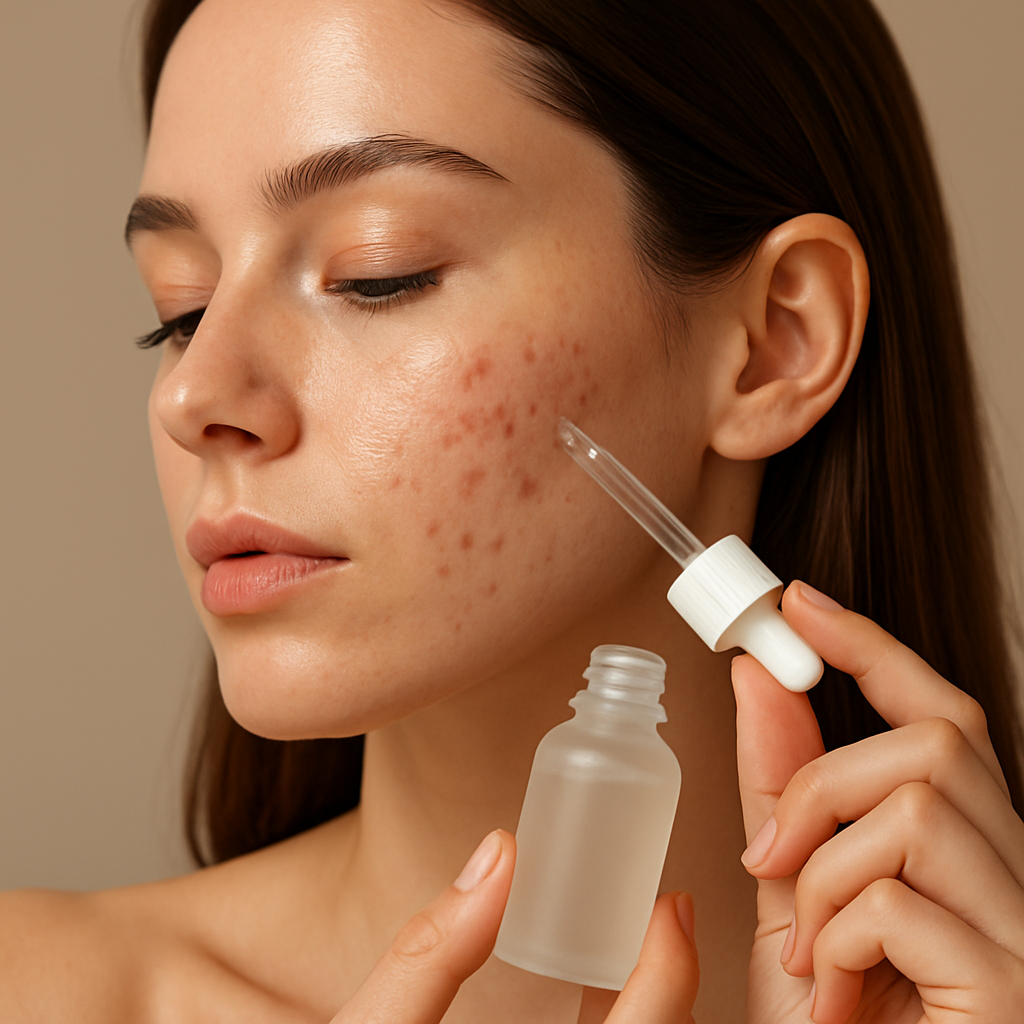
Acne scars can be a challenging skin concern, often lingering long after the blemishes have healed. One powerful ingredient that can help tackle this issue is salicylic acid. Known for its ability to penetrate the skin and exfoliate, salicylic acid has become a key player in the treatment of acne scars. By targeting the layers of skin affected by acne, it helps in reducing the appearance of scars and promoting a smoother complexion.
Understanding Salicylic Acid and Its Effect on Acne Scars
Salicylic acid is a beta hydroxy acid (BHA) renowned for its exfoliating properties. It works by dissolving the bonds between dead skin cells, allowing them to be sloughed away. This process not only helps to unclog pores and reduce acne but also plays a vital role in diminishing the appearance of acne scars.
When it comes to treating scars, salicylic acid promotes cell turnover, which is essential for skin regeneration. As new skin cells emerge, the visibility of acne scars lessens over time. Additionally, its anti-inflammatory properties help to calm irritated skin, creating an environment conducive to healing and repair.
The Types of Acne Scars Salicylic Acid Can Help
Salicylic acid is particularly effective on two common types of acne scars: atrophic and post-inflammatory hyperpigmentation. Atrophic scars, such as icepick and boxcar scars, benefit from the acid’s exfoliating action that encourages new growth. Meanwhile, hyperpigmentation can be reduced as salicylic acid aids in fading excess melanin trapped in the skin.
The acid’s ability to penetrate deep into the pores also makes it a promising option for individuals dealing with persistent acne, which can contribute to scarring. By reducing breakouts, salicylic acid minimizes the chances of new scars forming.
Using Salicylic Acid Safely for Scar Treatment
When incorporating salicylic acid into your skincare routine, it is essential to follow usage guidelines to prevent skin irritation. Start with a low concentration, typically around 2%, and gradually increase as your skin adapts. Patch testing is recommended to ensure your skin tolerates the product.
Apply salicylic acid products as directed, usually once daily. Make sure to moisturize adequately afterwards, as the acid can sometimes cause dryness. Using a sunscreen during the day is also crucial, as salicylic acid can make your skin more sensitive to sunlight.
Complementary Acne Treatments
Salicylic acid can be effectively combined with other treatments to enhance results. Ingredients like retinoids and niacinamide work synergistically with salicylic acid to boost skin renewal and reduce inflammation.
For a complete skincare approach, maintaining a daily regimen that includes cleansing, exfoliating, and moisturizing is key. Lifestyle changes, such as a healthy diet and stress management, can further support skin health.
Additional Considerations
It’s essential to remember that while salicylic acid is powerful, results can take time. Consistency is critical, and patience is required as your skin undergoes the process of healing and renewal.
If you’re considering using salicylic acid for acne scars alongside other treatments, such as chemical peels or laser therapy, it’s advisable to consult a dermatologist to develop a plan tailored to your specific needs.
For additional insights on how skin treatments can be affected by lifestyle choices, explore our article on how lifestyle factors impact acne treatments.
To learn more about acne and its treatments, check out this detailed explanation on Wikipedia.
Conclusion: Embracing the Power of Salicylic Acid for Acne Scars
Salicylic acid scars acne treatment offers a scientifically-backed solution to a common skin concern. By incorporating this powerful ingredient into your skincare routine, you can effectively reduce the appearance of scars and enjoy smoother, healthier skin.
- Salicylic acid is a beta hydroxy acid effective in treating acne scars.
- Regular use can reduce atrophic scars and post-inflammatory hyperpigmentation.
- Start with low concentrations and gradually increase to avoid irritation.
- Combine with other treatments for enhanced skin results.
- Consult with a dermatologist for personalized skin care advice.
What Are the Benefits of Using Salicylic Acid?
Salicylic acid helps exfoliate the skin, unclog pores, reduce inflammation, and fade acne scars, resulting in improved skin texture.
Can Salicylic Acid Be Used Daily?
Yes, it can be used daily, but it’s best to begin with a lower concentration and gradually increase usage as your skin acclimates.
What Types of Scars Can Salicylic Acid Treat?
Salicylic acid is effective for treating atrophic scars and post-inflammatory hyperpigmentation, helping to reduce their appearance with regular use.
Are There Any Side Effects of Using Salicylic Acid?
Potential side effects include dryness, irritation, and sensitivity to sunlight. Always patch test and use sunscreen when incorporating it into your routine.
How Long Does It Take to See Results?
Results can vary, but visible improvement in acne scars typically takes several weeks to a few months of consistent use.