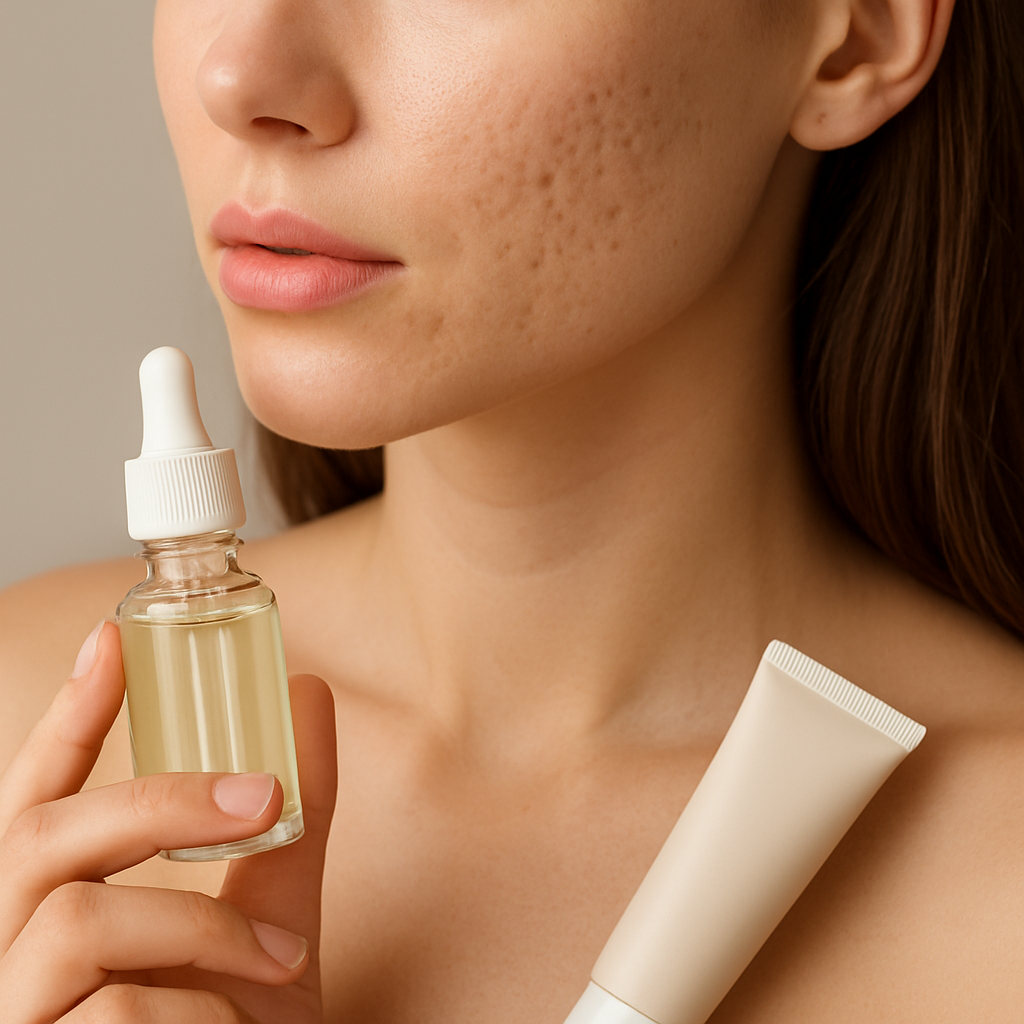
Dealing with derma acne scars can be a challenging and frustrating experience. These scars, which result from the healing process following acne, can affect your confidence and appearance. While completely removing such scars may not be feasible, there are several effective solutions that can dramatically improve your skin’s texture and appearance.
Understanding Derma Acne Scars
To effectively address derma acne scars, it’s essential to first understand what they are. Acne can cause various types of scars, including rolling, boxcar, ice pick, and hypertrophic scars. These occur due to the skin’s attempt to heal after severe cases of acne have damaged the deeper layers of the skin.
Common Treatments for Acne Scarring
There are several treatments available for those looking to minimize the appearance of acne scars. Each method varies in its approach and effectiveness, depending on the type and severity of the scarring.
- Chemical Peels: These treatments involve the application of a chemical solution to remove the damaged outer layers of skin, promoting new skin growth and improved texture.
- Microdermabrasion: This technique exfoliates the skin to reduce superficial scars and promote healthy skin regeneration.
- Laser Therapy: Laser treatments can be effective for both reducing scar tissue and encouraging new skin formation.
- Microneedling: This procedure uses tiny needles to puncture the skin, stimulating collagen production and aiding in skin repair.
Home Remedies and Skincare Products
For those looking to manage derma acne scars at home, there are several over-the-counter products and natural remedies that can provide some relief. While these may not be as potent as professional treatments, they can be beneficial in reducing scar prominence.
- Retinoids: These vitamin A derivatives can increase cell turnover and improve skin texture.
- Topical Creams: Products containing alpha hydroxy acids (AHAs) or beta hydroxy acids (BHAs) help promote exfoliation and smoother skin.
- Aloe Vera and Honey: These natural ingredients boast soothing and healing properties, potentially aiding in minor scar improvement.
Prevention and Management Tips
While treating existing acne scars, it’s also important to prevent new ones from forming. Effective acne management involves maintaining a consistent skincare routine, avoiding picking at acne, and using non-comedogenic products.
Sun protection is crucial as UV exposure can further darken scars. Ensure the use of a broad-spectrum sunscreen every day. Additionally, leading a healthy lifestyle with a balanced diet can influence skin health. For more insights on how lifestyle changes can affect skin, consider reading our article on whether smoking weed causes acne.
When to Consult a Dermatologist
For persistent and severe acne scarring, consulting with a dermatologist is recommended. They can offer personalized treatment plans and access to more intensive clinical procedures that may not be available over-the-counter. Professional advice ensures that treatments are safe and suitable for your specific skin type and condition.
In addition, understanding the broader context of health and skin conditions can provide further perspective. For more general health information, you may find this article informative.
Final Thoughts on Derma Acne Scars
Improving the appearance of derma acne scars often requires time, consistency, and the right combination of treatments. While complete eradication may not be possible, embracing a strategic approach can significantly enhance your skin’s appearance and boost your self-esteem.
- Derma acne scars result from the healing process of severe acne.
- Various treatments, from chemical peels to laser therapy, can improve scar appearance.
- Home remedies and skincare products may offer some relief and promote healthier skin.
- Prevention of new scars involves effective acne management and sun protection.
- Consulting a dermatologist can provide specialized treatments for persistent scarring.
FAQs
What are the most effective treatments for derma acne scars?
Laser therapy and microneedling are often considered among the most effective treatments for acne scars due to their ability to stimulate collagen production and skin renewal.
Can over-the-counter products help with derma acne scars?
Yes, products with retinoids, AHAs, and BHAs can be beneficial for mild scarring by promoting exfoliation and skin cell turnover.
Is it possible to completely remove derma acne scars?
While some treatments can significantly reduce the appearance of scars, complete removal is often not possible. Improvement rather than complete elimination should be the goal.
How long do acne scars take to heal with treatment?
This varies depending on the treatment method used and the severity of the scars. Some treatments may begin showing results within a few weeks, while others might take several months.
Why do some acne scars turn purple or darken?
Scars can darken or turn purple due to post-inflammatory hyperpigmentation, often exacerbated by UV exposure, which is why sun protection is crucial.