Dealing with cystic acne scars can be a challenging and sometimes frustrating journey. These scars are often the result of deep, inflamed acne cysts that can leave lasting reminders on the skin. However, there are numerous solutions available to help improve the appearance of these scars. Understanding the nature of cystic acne scars and exploring the various treatments can empower you to make informed decisions for your skincare regimen.
Understanding Cystic Acne Scars
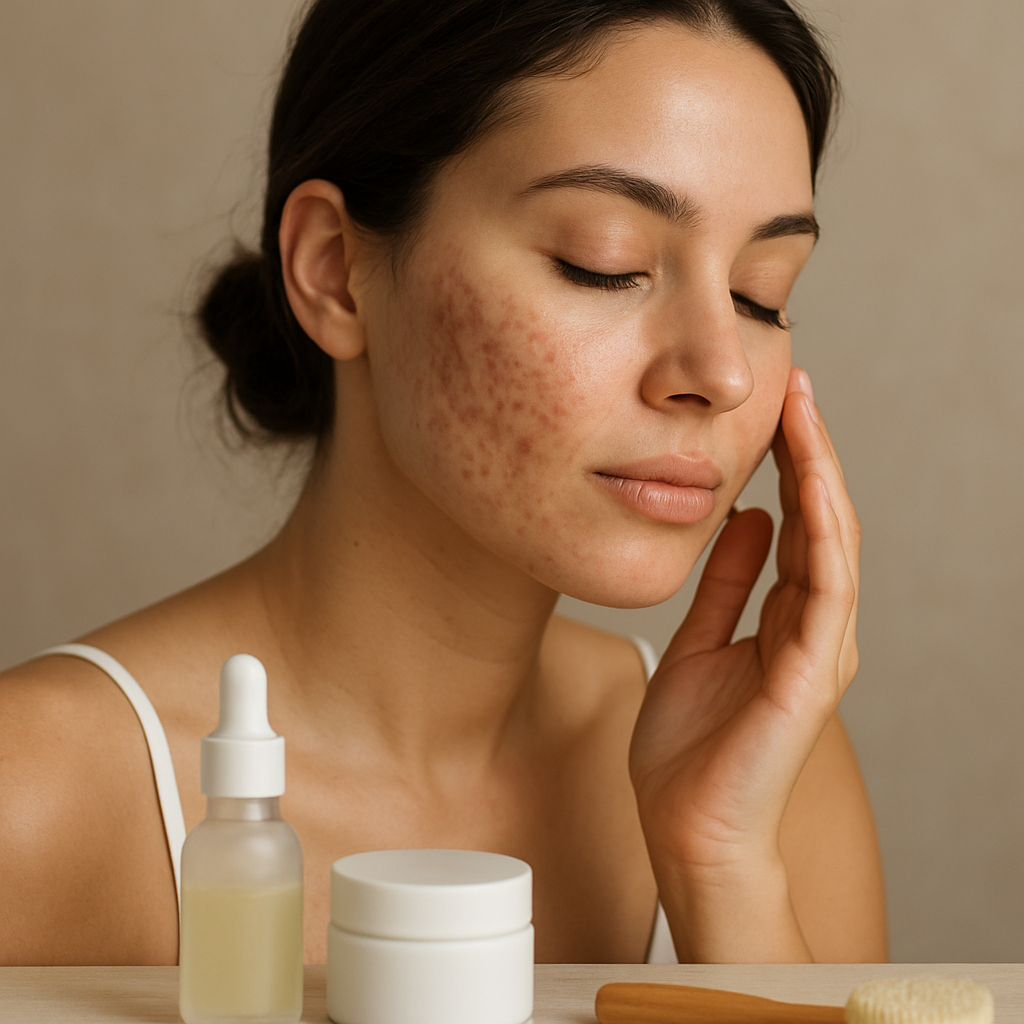
Cystic acne scars are a type of atrophic scar, which means they appear as depressions or indentations in the skin. These scars occur when the body attempts to repair damage to the skin and underlying tissue by producing collagen. However, when there is too little collagen, it can lead to pitted scars. Conversely, an excess of collagen can cause raised scars.
Factors such as genetics, skin type, and the severity of acne can influence the development of scars. It’s crucial to address cystic acne promptly to minimize scarring. Additionally, factors like sun exposure and picking at acne lesions can exacerbate scarring, making prevention strategies key.
Effective Solutions for Reducing Acne Scars
There are several approaches to improving the appearance of cystic acne scars, each with varying degrees of effectiveness. Here are some of the most common and effective solutions:
- Topical Treatments: Retinoids and hydroxyl acids such as salicylic acid can help refresh the skin’s texture and promote cell turnover. These treatments are available over-the-counter and can also be prescribed by a dermatologist.
- Microneedling: This procedure involves using fine needles to create tiny punctures in the skin, which stimulates the production of collagen. Microneedling can improve skin texture and lessen the appearance of scars over time.
- Chemical Peels: A chemical solution is applied to the skin to remove the top layers, allowing the skin to regenerate and improve the appearance of scarring. Peels vary in strength and should be selected based on skin type and scar severity.
- Laser Therapy: Various laser treatments can target scars by removing layers of skin or stimulating collagen production. Effective types include fractional laser treatment and pulsed dye lasers, which a dermatologist can perform.
- Fillers: Dermal fillers can be injected to lift depressed scars and make them less noticeable. Though temporary, fillers offer immediate results and are a suitable option for certain types of scars.
Lifestyle Considerations
Lifestyle changes can also play a role in managing and reducing cystic acne scars. Here are a few tips to consider:
- Avoid Sun Exposure: Protect your skin from the sun as UV exposure can darken scars and impede healing. Use a broad-spectrum sunscreen with SPF 30 or higher.
- Hydration and Nutrition: Keeping your skin hydrated and consuming a balanced diet rich in antioxidants can support skin health. Foods like fruits, vegetables, and lean proteins may help in the overall healing process.
- Quit Smoking: Smoking can impair skin healing and worsen scarring. For more insights, check out our article on how smoking impacts acne.
- Stay Consistent: Consistency in skincare is crucial. Develop a routine and stick to it, as most treatments require time to show results.
Consulting a Dermatologist
While over-the-counter treatments and lifestyle changes can be beneficial, consulting a dermatologist for cystic acne scars can provide you with more tailored and effective treatment options. Dermatologists can perform in-office procedures, suggest prescription-strength products, and offer guidance on managing acne and its aftermath.
Remember that results take time, and multiple treatments may be necessary to see significant improvements in your skin’s appearance. Exploring customized options with a dermatology professional can ensure the best approach for your skin type and scarring.
For further reading on how to care for your skin, you might find this additional resource helpful: Health Overview.
- Use treatments like retinoids and chemical peels for minor to moderate scarring.
- Professional options like microneedling and laser therapy provide more significant improvements.
- Maintain sun protection and a healthy lifestyle for synergistic benefits.
- Consider seeking expert advice to tailor treatments for your skin.
What causes cystic acne scars?
Cystic acne scars arise from the skin attempting to heal deep acne lesions, often leading to collagen imbalances and resulting in either pitted or raised scars.
Can cystic acne scars be completely removed?
While cystic acne scars cannot always be completely removed, their appearance can be significantly reduced with proper treatment and dermatologist interventions.
How long does it take to see results from scar treatment?
The timeline for seeing improvements can vary depending on the treatment type and scar severity, with some results visible in weeks and others taking several months.
Are natural remedies effective for cystic acne scars?
Some natural remedies may help improve acne scars, but their efficacy is generally lower than professional treatments. Consultation with a dermatologist is recommended for the best results.
How can lifestyle changes aid in reducing acne scars?
Protecting your skin from sun exposure, maintaining a nutritious diet, and avoiding smoking can enhance skin healing and potentially reduce the appearance of acne scars.