When discussing hair health, a common question arises: does steroids make you lose hair? Understanding the potential effects of steroids on your hair is crucial, especially if you’re considering or currently using them for medical or performance enhancement purposes. This article will explore the relationship between steroid use and hair loss, providing insights into how these substances can impact hair health and what you can do about it.
Understanding the Link: Does Steroids Make You Lose Hair?
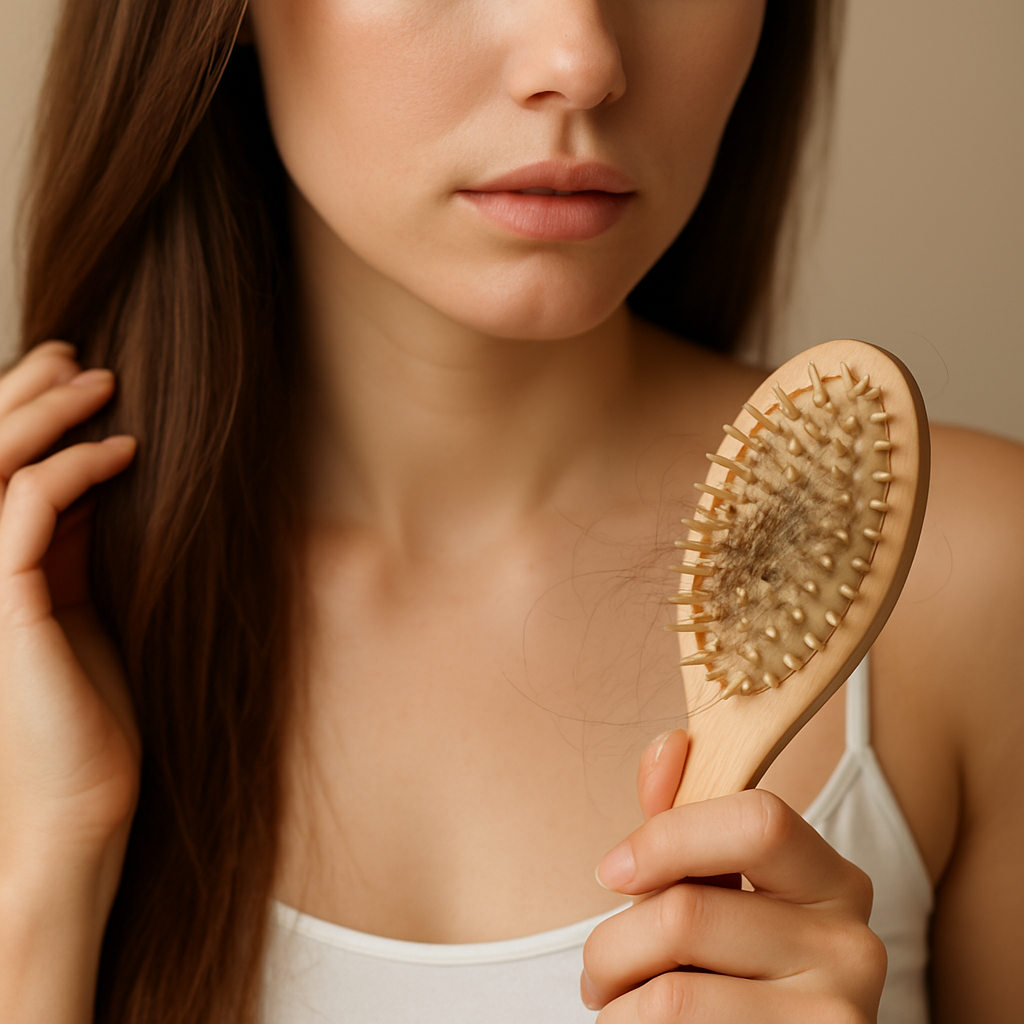
Steroid use is known to affect hair health in various ways. Anabolic steroids, in particular, are notorious for potentially causing hair loss as a side effect. These steroids are synthetic derivatives of testosterone and can accelerate hair loss in individuals predisposed to male pattern baldness. This type of hair loss is largely influenced by genetics and hormones.
While not all individuals will experience hair loss from steroid use, those with a genetic predisposition to androgenetic alopecia may see an accelerated thinning of hair. This is because anabolic steroids can increase the levels of dihydrotestosterone (DHT) in the body, a hormone directly linked to hair follicle miniaturization.
For more detailed information, consider reading about the direct relationship between steroids and hair loss on our comprehensive guide on the subject.
What Are Steroids?
Steroids are a broad class of organic compounds that include various hormones naturally produced in the body. However, when people refer to steroids in the context of hair loss, they are usually talking about anabolic steroids, which are used illicitly to build muscle and improve athletic performance. These steroids can sometimes be prescribed medically to treat delayed puberty or diseases that cause muscle loss.
Types of Steroids and Their Effects
There are several types of steroids, each with different uses and effects. The most common are corticosteroids and anabolic-androgenic steroids.
- Corticosteroids: Used to reduce inflammation and treat conditions like asthma, they generally do not affect hair loss.
- Anabolic Steroids: Known for boosting muscle mass, they can lead to increased DHT levels, influencing hair health negatively.
The difference in their primary use and effects explains why anabolic steroids are more associated with hair loss issues.
How Steroids May Cause Hair Loss
When we discuss how does steroids make you lose hair, it boils down to how anabolic steroids raise DHT levels, which binds to receptors in hair follicles. This process can cause the follicles to shrink, weaken, and eventually stop producing hair.
This impact on hair is more pronounced in individuals already genetically inclined towards pattern baldness. The accelerated timeline can come as a shock to those who were otherwise not expecting hair loss onset for many years.
Can Hair Loss Be Reversed?
Unfortunately, hair loss from steroids might not be fully reversible. However, stopping steroid use can potentially slow down the progression of hair loss. Consult with a healthcare provider for effective treatments, such as medications that may inhibit DHT production.
Additional resources on hormonal effects on hair can be explored through studies and articles like those available on Wikipedia.
Managing and Preventing Hair Loss
If you’re concerned about hair loss from steroids, proactive steps can be taken to manage and possibly prevent further issues. Here are a few strategies:
- Consultation: Talk to a healthcare provider before starting steroids, especially if you have a family history of hair loss.
- Monitoring: Regularly check your hair health to notice any early signs of thinning.
- Medication: Use medications designed to block DHT with guidance from a doctor.
- Lifestyle: Maintain a balanced diet and manage stress, which are vital for overall hair health.
Conclusion
In closing, does steroids make you lose hair? While the answer can vary based on individual factors such as genetic predisposition and the type of steroids used, there is a significant risk associated with anabolic steroids due to their impact on hormone levels. Understanding these effects can help in making informed decisions regarding steroid use and hair health.
- Steroids, particularly anabolic ones, can affect hair health by increasing DHT.
- Genetic predisposition plays a significant role in hair loss from steroids.
- Consultation with a healthcare provider is crucial for managing risks.
- Preventive measures and lifestyle choices can help mitigate hair loss effects.
- Understanding the types and impacts of steroids can inform safer use.
Frequently Asked Questions
Can all types of steroids cause hair loss?
Not all steroids cause hair loss. Corticosteroids typically do not affect hair, whereas anabolic steroids can potentially accelerate hair loss in genetically predisposed individuals.
Is hair loss from steroids permanent?
Hair loss may not be entirely reversible once it occurs. However, ceasing steroid use might slow hair thinning and, with medical treatments, could partially recover hair growth.
Are there treatments available for hair loss induced by steroids?
Yes, treatments such as medications that reduce DHT levels can be helpful. Consulting a healthcare provider for personalized advice is recommended.
Does diet affect steroid-induced hair loss?
While diet alone won’t prevent steroid-induced hair loss, maintaining a balanced diet can support overall hair health and well-being.
Should I stop taking steroids if I notice hair loss?
Consult a healthcare provider before making any changes to prescribed steroid use. For non-prescribed steroids, discussing the risks and side effects with a professional is essential.