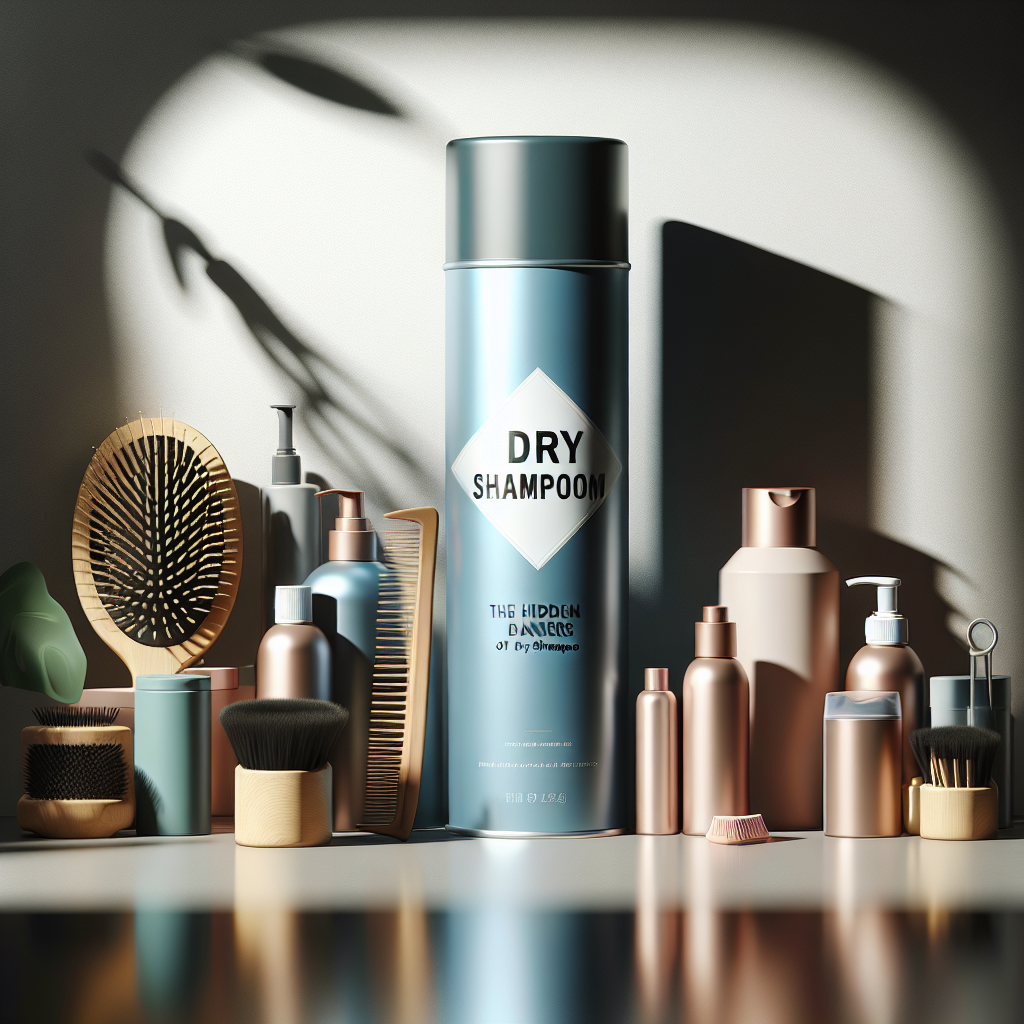
In recent years, dry shampoo has become a staple in the beauty routines of many. With promises of refreshed hair and added volume without the need for a full wash, it’s no surprise that it’s a go-to for busy individuals. However, you might find yourself wondering, is dry shampoo bad for your hair? This article will explore the potential risks and benefits of using dry shampoo and help you make an informed decision about incorporating it into your hair care regimen.
Is Dry Shampoo Bad for Your Hair?
While dry shampoo offers convenience and can extend the time between washes, there are some concerns about its effects on hair and scalp health. Excessive use of dry shampoo might lead to product buildup, clogging hair follicles and potentially leading to scalp irritation. Some formulations may also include alcohols, which can dry out the hair over time, leading to brittleness.
It is essential to understand that not all hair types will react the same way to dry shampoo. For example, individuals with oilier scalps might find it helpful in controlling excess sebum, while those with dry or sensitive scalps might experience more irritation or dryness.
Understanding How Dry Shampoo Works
Dry shampoo primarily works by absorbing the oils and sweat on the scalp, giving the appearance of clean hair without water. It typically includes absorbent powders, like starches or clay, and fragrances to mask any odors. While this can be an effective temporary fix, it’s important to know that dry shampoo does not clean your hair in the traditional sense. It doesn’t remove grime or buildup from styling products.
Possible Side Effects of Dry Shampoo
Regular use of dry shampoo can result in a variety of issues if not balanced with regular washing with water and shampoo. Extended use without proper cleansing could lead to scalp conditions, such as dermatitis. It can also weigh down the hair, reducing natural shine and causing a dull appearance.
If you notice issues like increased dandruff, itching, or unusual hair loss, it may be time to reconsider the frequency or type of dry shampoo you are using. For further insights into hair health, you can read more about whether conditioner can cause hair loss.
Benefits of Dry Shampoo
While there are concerns, dry shampoo does offer benefits. It allows you to go longer between washes, which can be beneficial for those with dyed hair, reducing the frequency of color-fading hair washes. It can also help add volume and texture, making it a favorite tool for styling.
In situations where washing your hair is not feasible, such as during camping trips or after a gym session without showers, dry shampoo is a practical solution for retaining a fresh look.
Choosing the Right Dry Shampoo
Selecting a dry shampoo that suits your hair needs is crucial. Opt for a formulation with natural ingredients and without harsh chemicals when possible. Some products cater to specific hair types, like fine, thick, or curly hair. Testing a few products may help you find a dry shampoo that works best without adverse effects.
Maintaining Hair Health
To maintain healthy hair while using dry shampoo, integrate it as part of a broader hair care routine. Regularly wash your hair with water and mild shampoo to clear any product buildup. Additionally, ensure your scalp remains hydrated and nourished. Consider using a leave-in conditioner or hair oil to mitigate any drying effects.
Balanced use of dry shampoo, in conjunction with a comprehensive hair care regimen, can help prevent any negative impacts. Always pay attention to how your hair and scalp respond and adjust your usage accordingly.
For further reading on hair care and general wellness, consider exploring this comprehensive overview on health.
Conclusion
So, is dry shampoo bad for your hair? The answer largely depends on how it’s used. Occasional use can be beneficial, providing a quick fix when necessary. Nevertheless, relying on it too frequently without proper cleansing may lead to problems over time. It’s all about balancing use with keeping your scalp and hair healthy and clean.
- Dry shampoo is convenient, but excessive use may lead to scalp issues.
- Choosing the right product for your hair type can minimize side effects.
- Complement dry shampoo with regular washing for optimal hair health.
- Watch for any signs of scalp irritation or hair damage.
- Integrate dry shampoo into a balanced hair care routine.
Frequently Asked Questions
What are the main ingredients in dry shampoo?
Dry shampoo commonly contains absorbent materials like starches or clays, as well as fragrances to neutralize odors.
Can dry shampoo replace regular washing?
No, regular water and shampoo washing are essential for removing dirt, oil, and styling product buildup, which dry shampoo cannot adequately do.
How often should dry shampoo be used?
Limit dry shampoo to a few times per week to avoid potential buildup and scalp issues, paired with regular washes.
Does dry shampoo cause dandruff?
Excessive use may contribute to scalp dryness, potentially leading to flakes resembling dandruff. Moderation and proper cleaning can help mitigate this.
What should I do if dry shampoo causes irritation?
If irritation occurs, stop using the product and consult a healthcare provider if symptoms persist. Consider hypoallergenic or natural alternatives.