When it comes to achieving vibrant and healthy hair, understanding the importance of UV hair protection is critical. Just as our skin requires shielding from the sun’s harmful rays, so too does our hair. UV exposure can lead to dryness, color fading, and overall damage, making adequate protection essential for maintaining your hair’s health and vitality.
Why Is UV Hair Protection Essential?
The sun emits ultraviolet (UV) rays that can penetrate the hair’s cuticle and affect its structure. This exposure often results in weakened hair fibers, increased porosity, and loss of natural oils that keep hair moisturized. Protecting your hair from UV rays helps preserve its color, texture, and overall health.
The Effects of UV Exposure on Hair
Prolonged exposure to UV rays can have several detrimental effects on your hair:
- Color fading in dyed and natural hair.
- Loss of protein structure, leading to brittle strands.
- Dryness and increased frizz.
- Breakage and split ends.
Effective Ways to Achieve UV Hair Protection
To effectively protect your hair from UV damage, consider incorporating these strategies into your routine:
- Use protective hair products: Look for conditioners and leave-in treatments that offer UV filters to shield your hair from the sun.
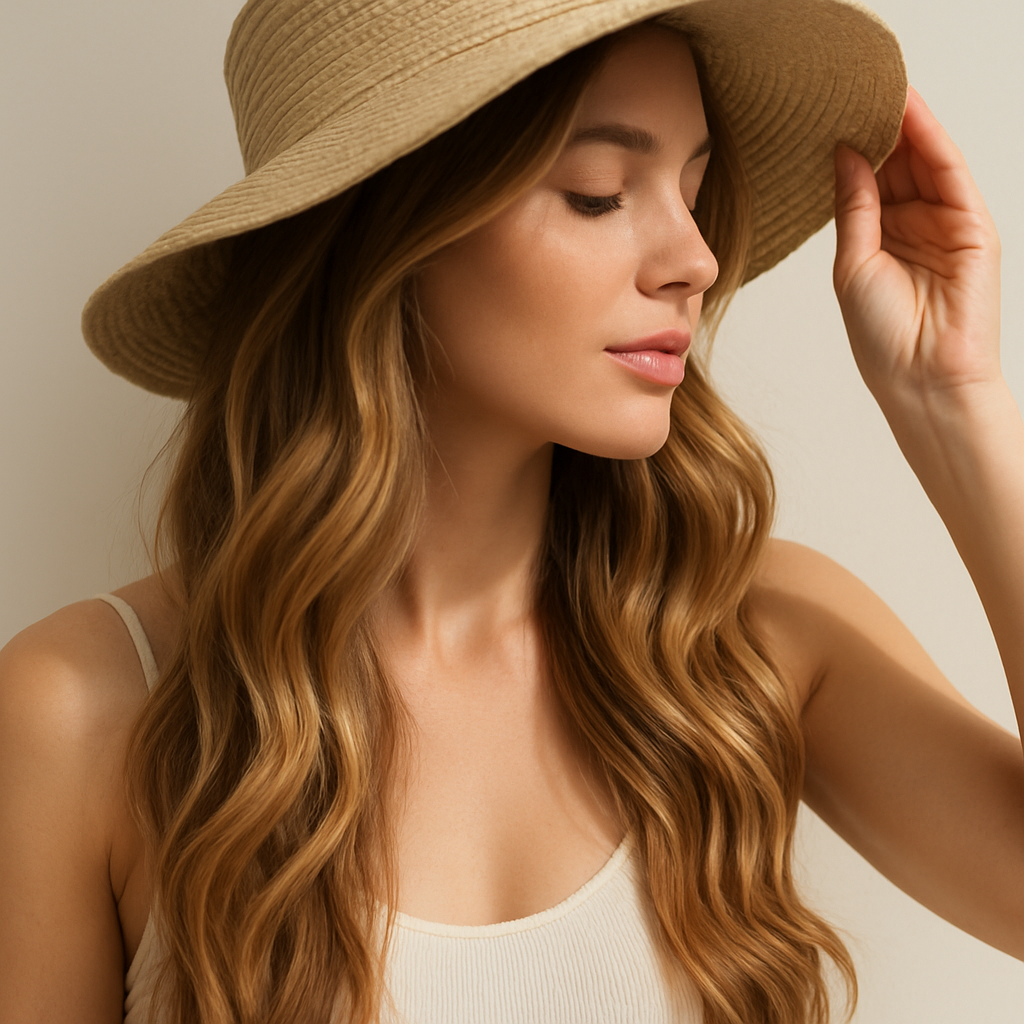
- Wear a hat or scarf: Physical barriers are a simple yet effective way to block UV rays. Choose breathable materials to avoid trapping heat.
- Opt for UV-protective styling tools: Some tools emit negative ions and other protective features to reduce UV damage.
- Minimize sun exposure: Whenever possible, seek shade or wear protective headwear during peak sun intensity hours.
Apart from these physical protection methods, managing your hair’s natural moisture through conditioning treatments is crucial. For more tips on hair care, you can explore our guide to choosing hair color shades that match your skin tone.
Natural Ingredients That Help in UV Hair Protection
Many natural ingredients contain properties that may aid in UV protection:
- Aloe Vera: Known for its soothing qualities, aloe vera can help in maintaining moisture levels in your hair.
- Coconut oil: Acts as a barrier against environmental aggressors, including UV rays.
- Green tea extract: Contains antioxidants that combat oxidative stress from sun exposure.
While such ingredients may support your hair’s defense against UV rays, they should be used as part of a comprehensive protective regimen.
Choosing the Right Hair Products for UV Hair Protection
Selecting the correct products is vital. Look for those that are labeled with UV protection factors. Additionally, ensure they suit your hair type and condition to avoid any adverse effects.
For exact guidelines on hair care product ingredients and their safety, refer to credible sources like Wikipedia.
Conclusion
Understanding UV hair protection is crucial in maintaining vibrant and healthy hair. Incorporate protective measures into your daily hair care routine to preserve your hair’s integrity and color.
- UV rays can significantly damage your hair, leading to color fading and breakage.
- Utilize products and accessories that offer UV protection.
- Natural oils and extracts can support, but not replace, full UV defense.
- Adapt your daily routine to include protective styling and minimize direct sun exposure.
FAQs
What is UV hair protection, and why do I need it?
UV hair protection involves using products and methods to shield hair from the sun’s ultraviolet rays, which can cause damage and fading.
Can UV rays really damage my hair?
Yes, UV rays can penetrate the hair cuticle, leading to color fading, dryness, and structural damage over time.
What types of products offer good UV hair protection?
Look for conditioners, sprays, and leave-in treatments labeled with UV protection. Hats and scarves can also act as physical barriers.
Are there natural ways to protect my hair from UV damage?
Yes, using natural oils like coconut oil and aloe vera can help support hair health, though they should complement other protective measures.
Is it necessary to protect my hair from the sun even in winter?
Yes, UV rays can still penetrate clouds and cause damage year-round, making protection necessary in all seasons.