Dealing with patchy beard growth can be frustrating for many men who aspire to cultivate a full and even beard. The quest for a perfect beard is common, given its impact on one’s personal style and appearance. However, understanding the underlying factors and exploring potential remedies can be enlightening and may lead to effective solutions for enhancing beard density.
What Causes Patchy Beard Growth?
The reasons behind patchy beard growth vary and can include genetic factors, hormonal imbalances, or dermatological issues. Genetically, some individuals are predisposed to thinner hair in certain areas, which contributes to uneven beard growth. Hormones, particularly testosterone and dihydrotestosterone (DHT), play a crucial role in beard development, and inconsistencies in these levels can affect hair growth patterns.
Nutritional deficiencies and underlying health conditions, such as alopecia areata, might also result in patchy areas. Ensuring a balanced diet rich in essential vitamins and minerals may help support hair health. For more complex medical conditions affecting hair growth, consulting a healthcare provider can offer personalized insights and guidance.
Improving Your Beard Growth
Addressing patchy beard growth often involves a combination of lifestyle changes and topical treatments. Here are some strategies you might consider incorporating into your routine:
- Beard-friendly diet: A diet rich in vitamins A, C, and E along with omega-3 fatty acids may support hair health. Lean proteins, fruits, vegetables, and healthy fats are essential for promoting optimal follicle function.
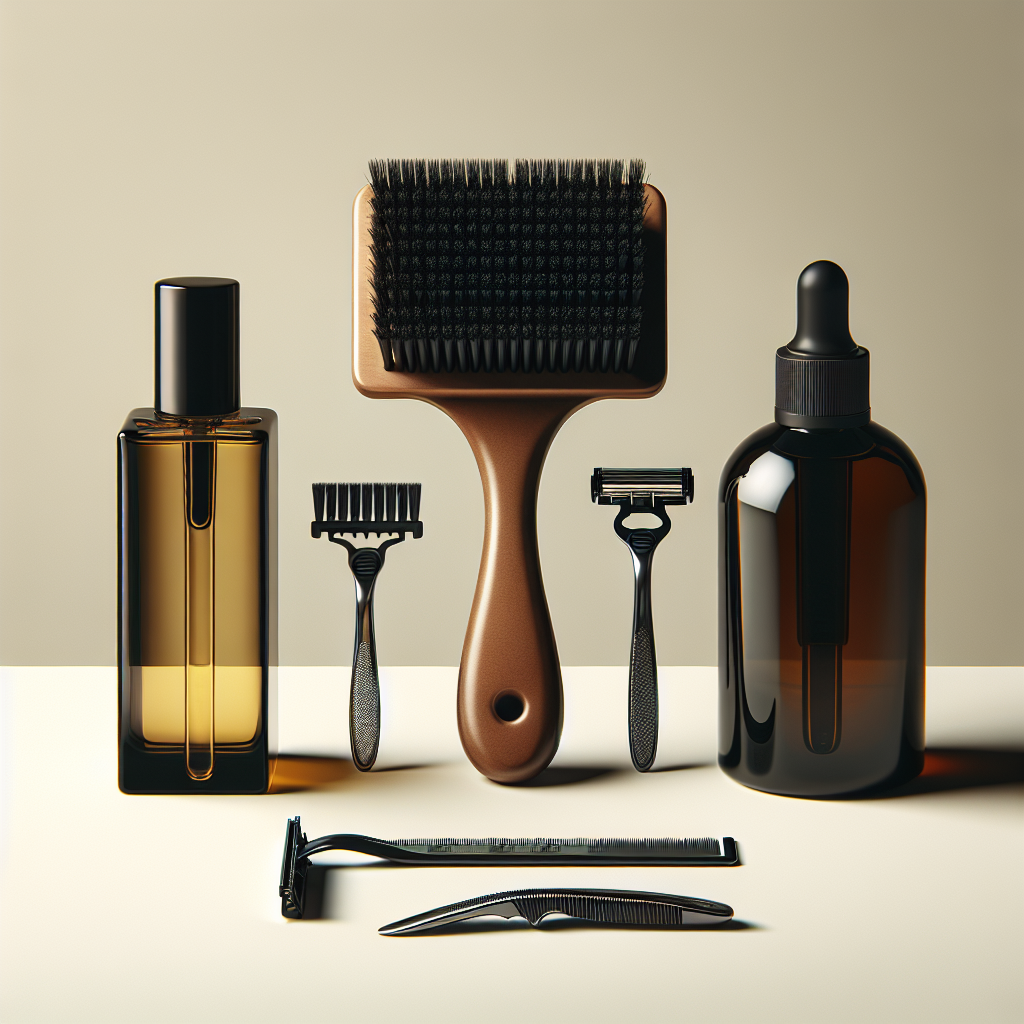
- Regular grooming: Keeping your beard trimmed and well-maintained encourages even growth. Use a quality beard brush to stimulate underlying skin and hair follicles.
- Topical treatments: Products that contain minoxidil or similar ingredients can potentially aid in increasing hair density, though consultation with a healthcare specialist is advisable before starting any treatment.
- Consider DHT levels: If hormone levels are believed to be a contributing factor, discussing options to balance these with a doctor could be beneficial.
Seeking Professional Advice
If you’ve tried multiple strategies and haven’t seen improvement, it may be time to consult a dermatologist or endocrinologist. Medical professionals can assess for conditions such as alopecia or hormone imbalances, providing tailored advice or treatments that could boost beard growth.
It’s noteworthy to examine if lifestyle factors, like stress or the use of certain medications, might inadvertently affect hair growth. For those concerned about the impact of specific treatments, such as steroids, on hair loss, consider reading our in-depth article on steroids and hair loss.
Patchy Beard Growth: Next Steps
Ultimately, a consistent care routine and the right lifestyle practices can make significant improvements in addressing patchy beard growth over time. If you’re uncertain about which approach to adopt, remember that experimenting with different techniques, while maintaining patience, is often key to finding what works best for you. For further understanding, the concept of health can provide a foundation for making informed decisions regarding your beard journey.
- Patchy beard growth is a common issue with multiple potential causes.
- Nutrition, grooming, and appropriate treatments can aid in improving beard fullness.
- Consulting with professionals is advisable for unresolved or severe cases.
- Maintaining a consistent and patient approach is vital.
FAQs
Why do some men experience patchy beard growth?
Genetics, hormone levels, and underlying health conditions are primary contributors to patchy beard growth. Each individual’s situation can differ, prompting the need for personalized assessments.
Can diet influence beard growth?
Yes, a nutritious, balanced diet rich in essential vitamins and minerals can support hair health and potentially improve beard growth.
Are there medications that help with beard growth?
Some topical treatments, like minoxidil, may aid in enhancing beard density. However, consultation with a healthcare provider is important before beginning any treatment regimen.
When should one seek professional help for patchy beard growth?
If lifestyle changes and over-the-counter solutions prove ineffective, or if patchiness is accompanied by other symptoms, consulting a dermatologist or endocrinologist is recommended.
Can stress affect beard growth?
Yes, stress can impact overall hair growth by affecting hormone levels and blood circulation to hair follicles, underscoring the importance of managing stress for healthy hair growth.