Anyone struggling with thinning hair or pattern baldness knows the search for effective treatments can be frustrating. Microneedling for hair loss is a promising technique that may offer hope for those looking to revitalize their hair. This minimally invasive procedure involves using tiny needles to create micro-injuries in the scalp, which can stimulate hair growth. But how exactly does microneedling work, and is it effective for everyone?
Understanding Microneedling for Hair Loss
The concept of microneedling has been around for a while, primarily used for skin treatments to enhance collagen production and improve overall skin health. Recently, its application in hair restoration has gained attention. When performed on the scalp, microneedling for hair loss can potentially increase the delivery of nutrients and improve blood circulation to the hair follicles, creating an environment conducive to hair growth.
How Does Microneedling Work?
Microneedling involves using a device fitted with tiny, sterile needles. As the device moves across the scalp, it creates microscopic punctures in the skin. These micro-injuries promote the body’s natural wound-healing process, which can lead to enhanced cell turnover and the stimulation of growth factors associated with hair regeneration.
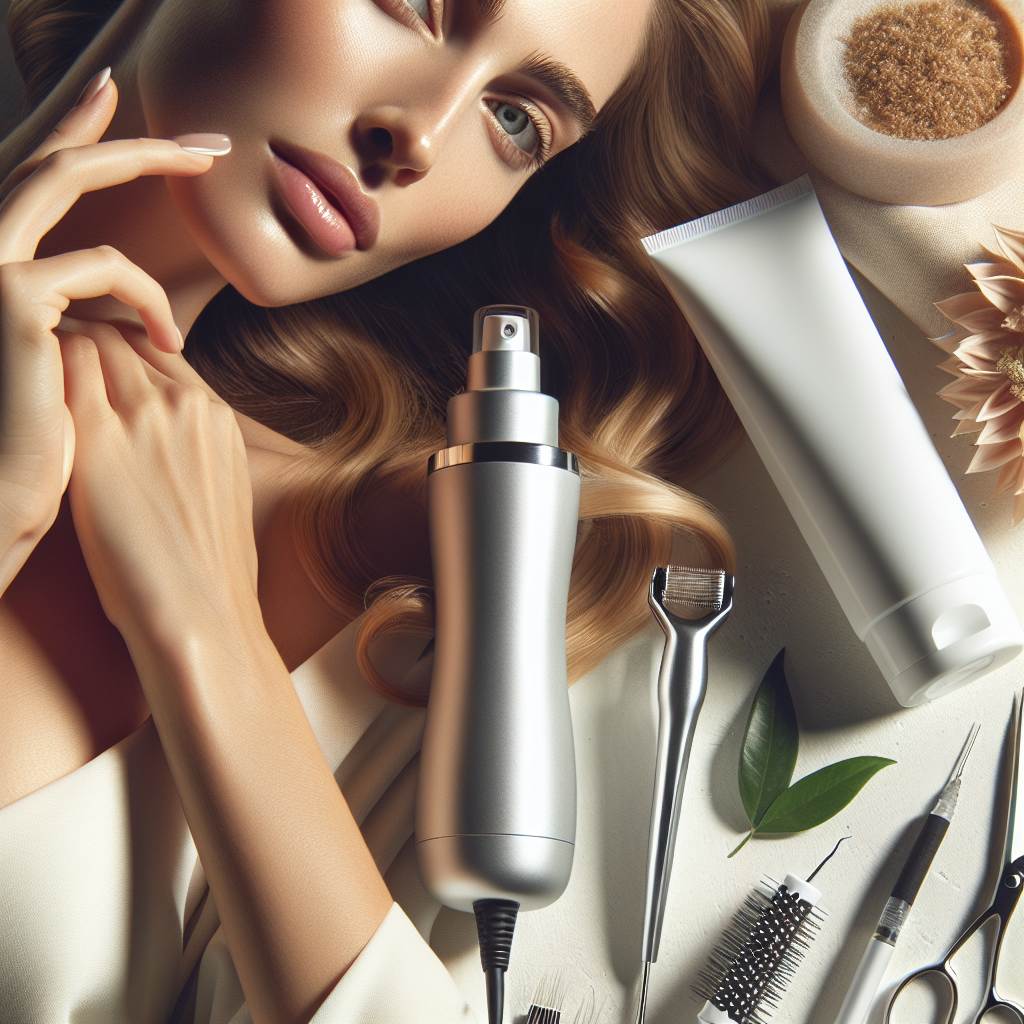
The procedure is relatively straightforward and can be performed in a clinical setting by a trained professional or at home using a derma roller. However, professional treatments often incorporate other techniques or products to complement the process, which can optimize outcomes.
Potential Benefits of Microneedling Hair
Exploring the benefits of microneedling hair treatments offers insight into why this method is gaining popularity:
- Enhanced Product Absorption: Microneedling can increase the absorption of topical treatments or medications applied to the scalp, potentially making them more effective.
- Improved Scalp Health: The increased circulation and nutrient flow can lead to a healthier scalp, creating a better foundation for hair growth.
- Stimulation of Hair Follicles: The mechanical action of microneedling can awaken dormant hair follicles, supporting the growth of new hair.
Considerations Before Microneedling
While microneedling may offer benefits, it’s not suitable for everyone. Here are a few factors to consider:
- Consult a Professional: Before considering microneedling, consult with a healthcare provider or dermatologist to ensure it’s appropriate for your hair loss condition.
- Potential Side Effects: Temporary redness, swelling, or discomfort can occur after the procedure. These effects generally resolve quickly but should be discussed with a professional.
- Coordination with Other Treatments: Consider how microneedling might fit into your broader hair restoration strategy, especially if you’re using other treatments like minoxidil or undergoing hormone therapy.
Understanding these factors and working closely with a healthcare provider can help you decide whether microneedling fits your hair restoration goals. Learn more about treatment options in our article on the impact of steroids on hair loss.
Scientific Support and Studies
Recent studies have shown promising results regarding the effectiveness of microneedling for hair loss. Some research suggests that microneedling may complement other treatments, like topical corticosteroids and platelet-rich plasma (PRP), enhancing overall efficacy.
One study highlighted users who combined minoxidil with microneedling saw significant improvements compared to those who used minoxidil alone. The combined approach appears to maximize the benefits, pointing to the potential advantages of integrating different methods into your hair care routine.
For more detailed information, refer to this comprehensive resource from a reputable source on health.
Final Thoughts on Microneedling for Hair Loss
Microneedling for hair loss is an innovative and potentially effective option for those seeking to combat hair thinning and rejuvenate their scalp. By promoting blood circulation and nutrient delivery, microneedling could be a beneficial addition to your hair care regimen. While results can vary based on individual conditions, the growing body of research supports its potential as part of a comprehensive treatment plan.
- The procedure involves creating micro-injuries to stimulate hair growth.
- It can enhance product absorption and improve scalp health.
- Consult with professionals before starting microneedling.
- Microneedling can be combined with other hair loss treatments.
- Consider potential side effects and ensure the procedure is suitable for your hair condition.
FAQs
What is microneedling?
Microneedling involves the use of small needles to create micro-injuries on the scalp, promoting the body’s natural healing process and potentially stimulating hair growth.
Is microneedling effective for hair loss?
Microneedling may improve hair growth in conjunction with other treatments. It enhances the absorption of topical medications and may support scalp health.
How often should microneedling be done for hair loss?
The frequency depends on individual needs and the treatment plan developed with your healthcare provider. Some may benefit from weekly sessions, while others may not require as frequent treatment.
Can I perform microneedling at home?
While home kits are available, consulting a professional ensures safety and increases the likelihood of effective results. Proper technique is crucial to minimize risks and maximize benefits.
Are there side effects to microneedling?
Temporary effects can include redness, swelling, and discomfort. Side effects are generally mild and resolve on their own, but it’s important to discuss them with a healthcare provider beforehand.