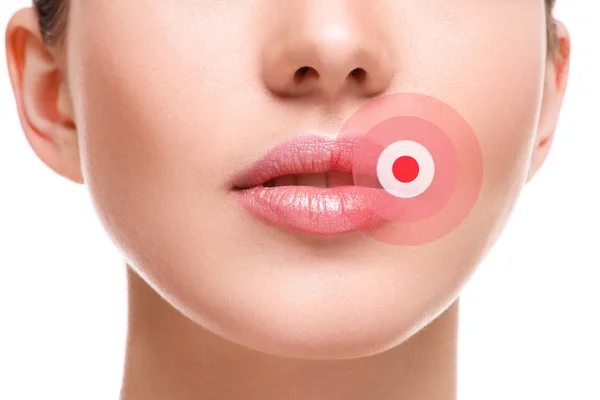
Your skin is your body’s largest organ, and it plays a vital role in protecting you from the elements. However, scars can make your skin more vulnerable to sun damage. Scars are areas that need special care, and choosing the right sunscreen is crucial for promoting healthy healing. In this article, we’ll explore the best options for sunscreen for scars, understanding how they can help in reducing scar visibility and protecting sensitive skin from the sun.
Why Is Sunscreen for Scars Important?
Scar tissue is more sensitive compared to the rest of your skin. When exposed to sunlight, scars may darken and become more noticeable. Using sunscreen for scars is essential because it helps to protect the skin from harmful UVA and UVB rays, which can impair healing and increase discoloration. Regular use of sunblock for scars can assist in minimizing these effects, promoting even skin tone integration over time.
How Sunscreen Ingredients Benefit Scar Healing
Not all sunscreens are created equal. When selecting a sunscreen for scars, it’s important to consider products that contain ingredients like zinc oxide or titanium dioxide. These minerals provide broad-spectrum protection and are less likely to irritate sensitive scar tissue. Additionally, sunscreens with moisturizing elements can help maintain skin hydration, aiding the natural repair process.
Choosing the Right SPF
The Sun Protection Factor (SPF) indicates how effectively a sunscreen can protect against UVB rays. For scars, dermatologists often recommend using a sunblock for scars with an SPF of 30 or higher to ensure adequate protection. High SPF sunscreens provide an essential shield that can reduce the chances of further skin damage and hyperpigmentation.
Application Tips for Maximum Protection
Proper application of sunscreen on scars is necessary to maximize its benefits. Apply generously and evenly to all scarred areas at least 15 minutes before sun exposure. Reapply every two hours or immediately after swimming or sweating. Remember, consistent and thorough application is key to defense against the sun.
Best Practices for Scar Care and Sunscreen Use
Apart from using sunscreen for scars, incorporating a comprehensive scar care routine can enhance healing. This might include the use of silicone-based products, which have been shown to improve the hydration and pliability of scar tissue. Additionally, consult with a dermatologist to tailor products to your skin type and scar conditions.
For more comprehensive skin health, consider integrating protective measures like wearing hats or clothing that covers scarred areas. This not only provides an additional layer of protection but complements sunscreen use.
For an effective night time skincare regimen that complements your daytime sun protection, explore this clean beauty routine.
Myths and Misconceptions About Sunscreen and Scars
Some individuals believe that exposing scars to sunlight will help them fade faster. In reality, sun exposure often worsens pigmentation and elongates the healing process. Additionally, not all sunscreens are interchangeable; stick with products specifically formulated for sensitive skin when dealing with scars.
Another common myth is that sunscreen isn’t required on cloudy days or indoors. UV rays can penetrate clouds and glass, meaning protection is necessary regardless of direct sunlight.
The Role of Diet and Nutrition in Scar Healing
While sunscreen protects externally, a nutritious diet can support skin health from within. Foods rich in antioxidants, like fruits and vegetables, can assist in reducing inflammation, while proteins contribute to skin repair. However, remember that dietary changes are adjunctive and don’t replace the critical need for external protection like sunscreen.
For further reading on the role of sunlight exposure and skin health, visit Wikipedia’s health resources.
The use of sunscreen for scars is vital for maintaining the health and appearance of your skin. By understanding the types of sunscreens available and how to apply them effectively, you can make informed decisions that support and improve your skin’s healing process.
- Always choose a broad-spectrum sunscreen with SPF 30 or higher for scars.
- Mineral sunscreens are well-suited for sensitive scar tissue.
- Apply sunscreen generously and reapply as needed for ongoing protection.
- Complement sunscreen use with protective clothing and diet for best results.
- Consult a dermatologist for personalized scar treatment recommendations.
Why are scars more sensitive to the sun?
Scar tissue lacks the pigmentation and protective cell structure of normal skin, making it more prone to sun damage and discoloration.
What is the best type of sunscreen for scars?
Mineral-based sunscreens with zinc oxide or titanium dioxide are often recommended due to their gentle nature and broad-spectrum protection.
How can I reduce scar visibility effectively?
Consistent use of sunscreen, along with scar-specific creams like those containing silicone, can gradually reduce scar visibility.
Do I need sunscreen indoors or on cloudy days?
Yes, UV rays can penetrate windows and clouds, so using sunscreen daily provides necessary protection.
Can diet affect scar healing?
A healthy diet rich in antioxidants and essential nutrients can support the skin’s healing process, although it should not replace external treatments like sunscreen.