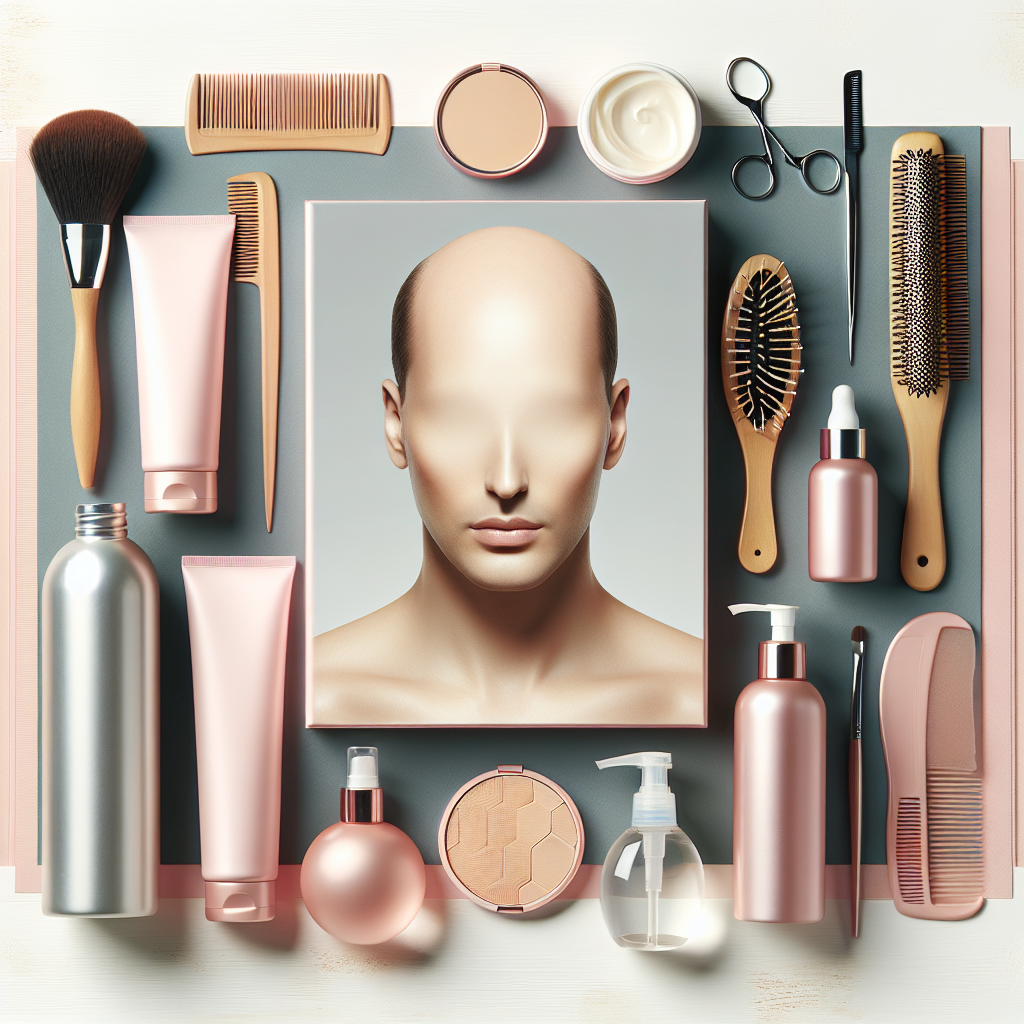
Hair loss can be a distressing experience, particularly when it reaches the stage identified as Norwood 5 on the Hamilton-Norwood scale, which is used to classify the progression of male pattern baldness. At this stage, the hair loss is characterized by a receding hairline at the temples and a thinning crown. This article explores effective strategies to address the challenges associated with Norwood 5 hair loss.
Understanding Norwood 5 Hair Loss
The Norwood 5 stage of hair loss marks a significant progress in male pattern baldness. It presents distinct balding patterns where the bridge of hair separating the crown and frontal hairline becomes narrower. Understanding this stage is crucial to exploring effective treatments. Knowing the pattern helps in targeting the underlying reasons for hair thinning and provides insights into the most suitable interventions.
Causes of Norwood 5 Hair Loss
Male pattern baldness is often linked to genetics and hormonal changes. The main culprit is dihydrotestosterone (DHT), a derivative of testosterone. As hair follicles shrink due to increased DHT levels, the hair becomes finer and eventually stops growing. Lifestyle factors, including diet and stress, can exacerbate hair loss at this stage. Hence, managing these elements may help slow down the progression.
Effective Solutions for Managing Norwood 5
Although complete reversal of Norwood 5 hair loss is challenging, several interventions may support hair maintenance and sometimes even regrowth:
- Medications: Prescription options such as finasteride and minoxidil are commonly used. These medications may help reduce hair loss and stimulate regrowth. It’s crucial to consult a healthcare provider for guidance and to weigh the benefits against potential side effects.
- Hair Restoration Surgery: Procedures like hair transplants can be effective for those with advanced hair loss. These surgeries involve grafting hair follicles from areas of healthy growth to the thinning or balding regions.
- Low-Level Laser Therapy (LLLT): This therapy uses laser devices to promote hair growth by energizing cells within hair follicles. While more research is needed, initial studies suggest it may be a helpful adjunctive treatment.
- Scalp Micropigmentation: For those looking for non-surgical solutions, scalp micropigmentation involves tattooing hair-like lines on the scalp, creating an appearance of fuller hair.
Lifestyle Adjustments That May Support Hair Health
Alongside medical and surgical interventions, certain lifestyle adjustments may contribute to better hair health:
- Balanced Diet: Ensuring an intake of vitamins and minerals that support hair health, such as biotin, zinc, and iron, may improve hair conditions.
- Stress Management: Chronic stress is known to exacerbate hair loss. Techniques such as exercise, meditation, and adequate sleep play a significant role in reducing stress.
- Avoiding Harmful Hair Practices: Limiting the use of harsh chemicals and heat styling can minimize further damage to hair follicles.
For additional tips related to hair loss caused by lifestyle factors, consider reading our article on how steroids may impact hair loss.
Seeking Professional Guidance
While over-the-counter treatments and lifestyle changes can be beneficial, consulting with a dermatologist or a trichologist is crucial in managing Norwood 5 hair loss effectively. Genuine expertise can assist individuals in choosing suitable treatments based on specific hair and health scenarios.
For more in-depth information on health-related topics, you can visit reputable resources such as this Wikipedia page on male pattern hair loss.
Conclusion: Embracing Solutions for Norwood 5
Managing Norwood 5 hair loss involves a combination of understanding its characteristics, exploring appropriate interventions, and consulting with professionals. While complete restoration is challenging, embracing a comprehensive approach can alleviate its progression and impact. Those experiencing Norwood 5 should consider multiple strategies, from medications to lifestyle adjustments, to address their hair health needs effectively.
- Norwood 5 represents a significant stage in male pattern baldness.
- Effective treatments include medications, surgeries, and laser therapies.
- Lifestyle changes such as a healthy diet and stress reduction can support hair health.
- Professional consultation is vital to tailor personalized treatment plans.
- Resources are available to broaden understanding and management options.
FAQ
What is Norwood 5 hair loss?
Norwood 5 hair loss is a stage on the Hamilton-Norwood scale of male pattern baldness, characterized by a narrowing strip of hair between the receding hairline and the thinning crown.
Can lifestyle changes help with Norwood 5?
Yes, lifestyle changes such as a balanced diet, stress management, and gentle hair care practices can support overall hair health and potentially slow down hair loss progression.
Are there effective treatments for Norwood 5 hair loss?
There are several treatments available, including medications like finasteride and minoxidil, hair restoration surgeries, and alternative therapies like low-level laser therapy.
When should I consult a professional about my hair loss?
It is advisable to consult a healthcare provider or a dermatologist if you notice significant hair thinning or balding, to explore personalized treatment options.
Is there an external resource for learning more about hair loss?
Yes, for further reliable information, you can refer to this Wikipedia page on health for additional insights into hair loss and overall health management.