Dealing with greasy hair can be frustrating and challenging. If your hair gets greasy fast, you’re not alone. Many people experience this issue due to various factors, including overactive sebaceous glands, hair type, or even hair care habits. Fortunately, understanding the reasons behind oily hair can help you manage it more effectively.
Why Does Hair Get Greasy Fast?
There are several reasons why hair can become greasy quickly. The main culprit is the overproduction of sebum, which is an oily substance produced by sebaceous glands to keep your scalp and hair moisturized. While sebum is essential for healthy hair, too much can lead to an oily appearance.
Hormones, diet, and lifestyle can also influence how fast your hair gets greasy. Hormonal changes during puberty or menopause can cause more oil production. A diet high in greasy foods might contribute as well. Additionally, using the wrong hair care products can exacerbate the problem, making your hair look limp and greasy.
Managing Hair That Gets Greasy Fast
Learning how to manage hair that gets greasy fast involves implementing a few tweaks to your daily routine. Here are some effective strategies:
1. Choose the Right Shampoo
Opt for a shampoo specifically formulated for oily hair. These shampoos typically contain ingredients that help control oil production without stripping your hair of essential moisture. It’s crucial to avoid shampoos or conditioners that contain heavy oils or silicones, as these can weigh down your hair.
For a more detailed guide on selecting the best hair products, visit our article on choosing the best products for your hair.
2. Don’t Overwash
Washing your hair too frequently can actually stimulate your scalp to produce more oil. Try to extend the time between washes gradually. Start by washing your hair every other day, and if it’s manageable, extend it to every third day.
3. Use Dry Shampoo
Dry shampoo can be a lifesaver for those dealing with greasy hair. It works by absorbing excess oil and adding volume to your hair, giving it a fresher appearance without the need for washing.
4. Monitor Your Diet
Your diet can play a significant role in your hair’s health. Focus on a balanced diet rich in fruits, vegetables, and lean proteins. Limiting the intake of oily or fatty foods may also help in reducing how fast your hair becomes greasy.
5. Limit Touching and Brushing
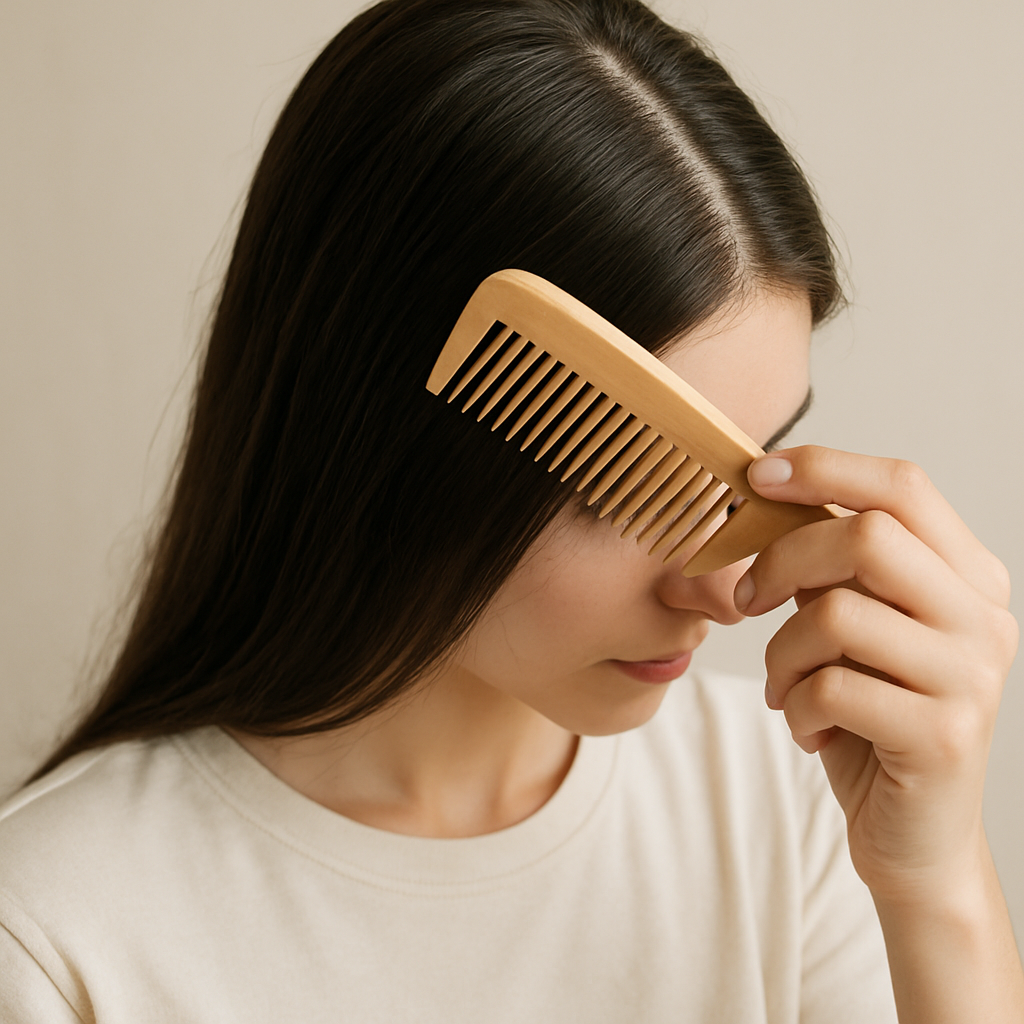
Touching your hair or overbrushing can transfer oil from your fingers and scalp to your hair strands. Use a brush with natural bristles and aim to brush your hair only when necessary.
Additional Tips to Prevent Your Hair from Getting Greasy Fast
Aside from these core strategies, there are a few other tips you can consider to keep your hair fresher for longer:
- Rinse thoroughly after washing to ensure no residue is left.
- Try a vinegar rinse once a month to help cleanse your scalp and remove product buildup.
- Use a scalp scrub to exfoliate and keep your scalp healthy.
Understanding why hair gets greasy fast and adopting a hair care routine that manages oil production can lead to healthier, more balanced hair. If your hair gets greasy fast, these tips combined with patience and consistency will help you master your hair care routine. For more information on hair health, you can explore resources such as this article on health.
- Choose a shampoo for oily hair and avoid heavy products.
- Try not to overwash; instead, extend the time between washes.
- Implement dry shampoo to manage oil in between washes.
- Be mindful of your diet, focusing on balanced nutrition.
- Avoid frequent handling or brushing of your hair.
FAQs
Why does my hair get greasy the day after washing?
Your hair may become greasy shortly after washing due to overactive sebaceous glands or using products that are too heavy. Adjusting your hair care products and routine could help.
Does water temperature affect greasy hair?
Hot water can strip hair of natural oils, prompting your scalp to produce more oil. Washing hair with lukewarm water helps maintain a balanced oil production.
How does conditioner affect greasy hair?
Using a lightweight conditioner can help prevent greasiness. Apply it only to the ends of your hair, avoiding the scalp, to keep excess oil at bay.
Can stress make my hair greasier?
Yes, stress can affect hormone levels, which in turn can increase oil production. Practicing stress-reducing techniques may help manage oily hair.
Is it bad to wash greasy hair every day?
Frequent washing can contribute to increased oil production. It’s better to find a balance, washing every two to three days, depending on your hair’s needs.