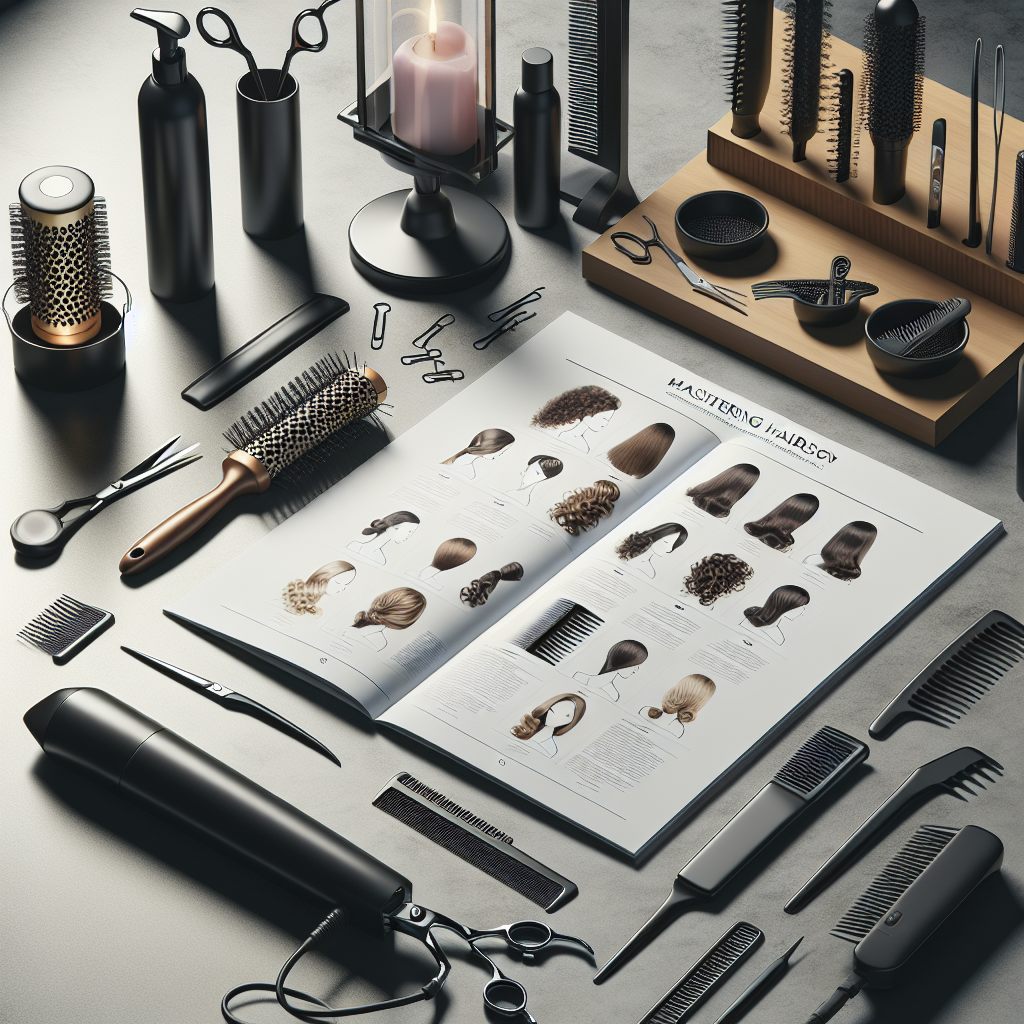
When it comes to creating flawless hairstyles, mastering hairdressing diagrams is an essential skill for both novice and professional stylists. Hairdressing diagrams offer a visual representation of various hairstyle techniques, allowing for precise cuts, perfect layers, and harmonious textures. Whether you’re aiming for a sleek bob, voluminous waves, or intricate braids, understanding and utilizing these diagrams can greatly enhance your styling capabilities.
Understanding Hairdressing Diagrams
Hairdressing diagrams are specialized illustrations that depict the step-by-step process of cutting and styling hair. They provide a clear guide on how to achieve particular styles, including the angles, sections, and lengths required. These diagrams are incredibly useful for stylists aiming to replicate styles accurately and efficiently. By understanding them, you can gain insights into the structure and geometry of haircuts, which can elevate the quality of your work.
Benefits of Using Hairdressing Diagrams
The benefits of hairdressing diagrams are manifold. Firstly, they help ensure consistency and precision in styling. For example, if you are tasked with achieving a classic layer cut, the diagram will provide specific instructions on cutting angles and the placement of each layer. Additionally, these diagrams can aid in communication between stylists and clients, offering a visual representation of the desired outcome.
Moreover, diagrams serve as an excellent educational tool. For aspiring stylists, studying these diagrams can bridge the gap between theory and practice, offering real-world application of classroom learning. Similarly, experienced stylists can use diagrams as a refresher tool to explore new techniques or refine existing skills.
Key Components of Hairdressing Diagrams
Hairdressing diagrams typically include several key components. These often encompass the head form, sectioning, lines, angles, and sometimes color coding. The head form provides a 3D perspective, facilitating better understanding of how a style fits different head shapes.
- Sectioning: Divides the hair into manageable portions for precise cuts.
- Lines and Angles: Indicate the direction and steepness of cuts.
- Color Coding: Occasionally used to differentiate layers or sections for clarity.
How to Develop Skills Using Hairdressing Diagrams
To efficiently develop skills with hairdressing diagrams, it’s important to start with basic styles. Begin by practicing with simple cuts and styles to understand the basic principles. As you become more comfortable, progress to complex styles by introducing layers or intricate braiding patterns. Repetition is key, so regular practice with these diagrams will enhance your proficiency over time.
Additionally, attending workshops or seminars dedicated to hairdressing techniques can further your understanding. These programs often incorporate diagrams as part of their teaching methods, providing a comprehensive learning experience. Also, collaborating with other stylists allows for exchange of ideas and techniques, enriching your knowledge base.
For further exploration on selecting the right hair shades for different skin tones, visit our detailed guide on hair color shades for cool skin tones.
Tips for Making the Most of Hairdressing Diagrams
Incorporating hairdressing diagrams into your daily practice can enhance your styling capabilities dramatically. Here are some tips:
- Regularly update your collection of diagrams to include the latest trends and techniques.
- Use diagrams to experiment with new styles, introducing your clients to fresh looks.
- Encourage clients to bring in diagrams or images, facilitating better communication of their desired styles.
Additionally, investing in quality educational resources that focus on diagrams can be tremendously beneficial. Many professionals recommend subscribing to industry publications or joining online platforms that offer instructional videos and diagram-based tutorials.
Conclusion: Bringing Styles to Life with Hairdressing Diagrams
Mastering hairdressing diagrams is a significant step toward improving your hairstyling skills and delivering exceptional results. By consistently utilizing these tools, you can enhance your ability to visualize and execute diverse styles, ensuring satisfied clients and stunning hairstyles.
For more information on the techniques and chemistry behind hairdressing, visit this informative resource on health.
Takeaways
- Hairdressing diagrams provide visual guides for achieving precise and consistent hairstyles.
- They are beneficial for both learning and perfecting hairstyling techniques.
- Regular practice and continued education can enhance your understanding and usage of these diagrams.
- Utilize diagrams for better client-stylist communication.
- Keeping updated with current trends through diagrams can help offer innovative styles.
FAQ
What are hairdressing diagrams?
Hairdressing diagrams are illustrative guides that show the process of cutting and styling hair, helping to achieve specific hairstyles with precision.
How can hairdressing diagrams benefit beginners?
For beginners, diagrams provide a visual representation that helps bridge the gap between theory and practice, allowing them to learn real-world applications of styling techniques.
Can hairdressing diagrams improve communication with clients?
Yes, they can help clients and stylists reach a mutual understanding of the desired style, reducing the likelihood of miscommunication.
How often should I practice with hairdressing diagrams?
Regular practice with these diagrams is recommended. Incorporating them into your routine several times a week can significantly improve your proficiency.
Where can I find quality resources on hairdressing diagrams?
Quality resources can often be found in industry publications, educational workshops, or online platforms offering diagram-based tutorials and videos.