If you’ve found yourself dealing with an itchy scalp after dyeing your hair, rest assured that you are not alone. Many people experience this uncomfortable sensation following a hair coloring session. Understanding the causes and solutions can help you manage this irritation and prevent it in future dye applications.
Common Causes of an Itchy Scalp After Hair Dye
One of the main reasons why you might experience an itchy scalp after hair dye is the chemicals present in the dye. Hair dyes often contain ammonia and hydrogen peroxide, which can cause irritation and allergic reactions for some individuals. Additionally, the perfume in dyes can also be a culprit for irritation.
Another potential cause is the pH shift that occurs during the dyeing process, as dyes can alter the natural pH balance of your scalp. This disruption may lead to dryness and itching, particularly if your scalp is sensitive.
Allergic Reactions and Sensitivities
Allergic reactions to hair dye are not uncommon. Para-phenylenediamine (PPD) is a common allergen found in many permanent hair dyes. An allergic reaction may result in redness, itching, and even swelling of the scalp.
If you suspect an allergy, it is essential to conduct a patch test at least 48 hours before using any new dye. This proactive step can help you identify potential allergens and prevent a full-blown reaction. Consult with a dermatologist if you experience severe symptoms that don’t subside.
Solutions and Remedies for Itchy Scalp
Fortunately, several remedies can help alleviate that itchy feeling. Here are a few strategies you can try:
- Use a gentle shampoo: Opt for a sulfate-free, hydrating shampoo that helps soothe the scalp. For tips on choosing the best products, check out our guide on professional hair washing products.
- Rinse thoroughly: Make sure all dye residues are washed away. Residual chemicals can exacerbate irritation.
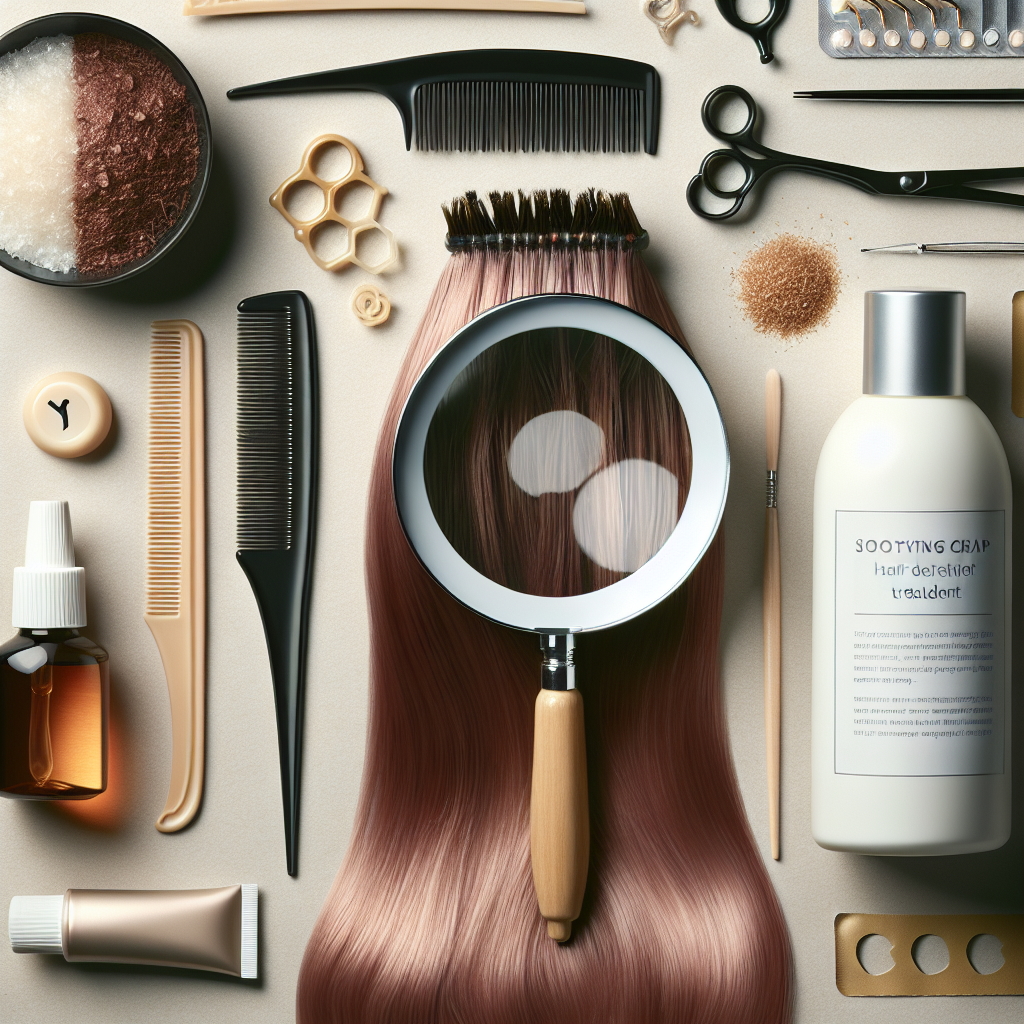
- Apply a soothing mask: Consider using a scalp mask or treatment containing aloe vera, chamomile, or coconut oil. These ingredients may offer anti-inflammatory benefits, reducing redness and itching.
- Stay hydrated: Drinking enough water can help keep your entire body hydrated, potentially reducing skin dryness.
Prevention Tips for Future Dye Sessions
Taking steps to prevent scalp itchiness in future hair-dyeing sessions is just as important as addressing current symptoms. Here are some preventive measures you might consider:
- Conduct a patch test: As mentioned earlier, always patch test a new dye to check for potential allergies.
- Choose the right dye: Opt for hair dyes that are labeled as hypoallergenic or for sensitive skin whenever possible.
- Limit dyeing frequency: Try to extend the time between dye sessions to give your scalp a rest.
When to Seek Medical Advice
If the itchy scalp after hair dye persists or is accompanied by severe symptoms such as swelling or blistering, it is wise to consult a healthcare professional. In some cases, a prescription treatment might be necessary to address more severe allergic reactions. Always remember that when it comes to allergies and irritants, consulting a healthcare professional is the safest approach.
For more information on skin reactions and allergies, visit this comprehensive resource on health and skin care.
Final Thoughts on Itchy Scalp After Hair Dye
Experiencing an itchy scalp after hair dye is an issue many people face, but understanding its causes and solutions can help you manage and prevent it. Remember, taking proactive steps such as conducting patch tests and using products suitable for sensitive skin can make a considerable difference in your hair care routine.
- Itchy scalp after hair dye may result from chemical irritants, allergies, or pH imbalance.
- Effective solutions include using gentle shampoos and hydrating masks.
- Preventing future reactions involves choosing hypoallergenic dyes and conducting patch tests.
- Severe or persistent reactions should be evaluated by a healthcare professional.
- Proper hair care can help mitigate the irritation associated with scalp sensitivity.
FAQs
What are common allergens in hair dye?
Para-phenylenediamine (PPD) is a common allergen in many permanent hair dyes. Other potential allergens include ammonia and fragrances used in the products.
How can I soothe my itchy scalp at home?
Try using sulfate-free shampoos, applying soothing masks with ingredients like aloe vera, and ensuring you rinse the dye thoroughly from your scalp.
Is it normal to have an itchy scalp after hair dye?
Yes, it’s relatively common due to the different chemicals present in hair dye. However, if the itchiness is severe or persistent, it’s advisable to consult a healthcare professional.
Can I dye my hair if I have a sensitive scalp?
Yes, but choose your products carefully. Look for dyes labeled for sensitive skin and always conduct a patch test before application.
When should I see a doctor for an itchy scalp?
If the itchiness is severe, lasts for an extended period, or is accompanied by other symptoms like swelling or sores, seeking medical advice is recommended.