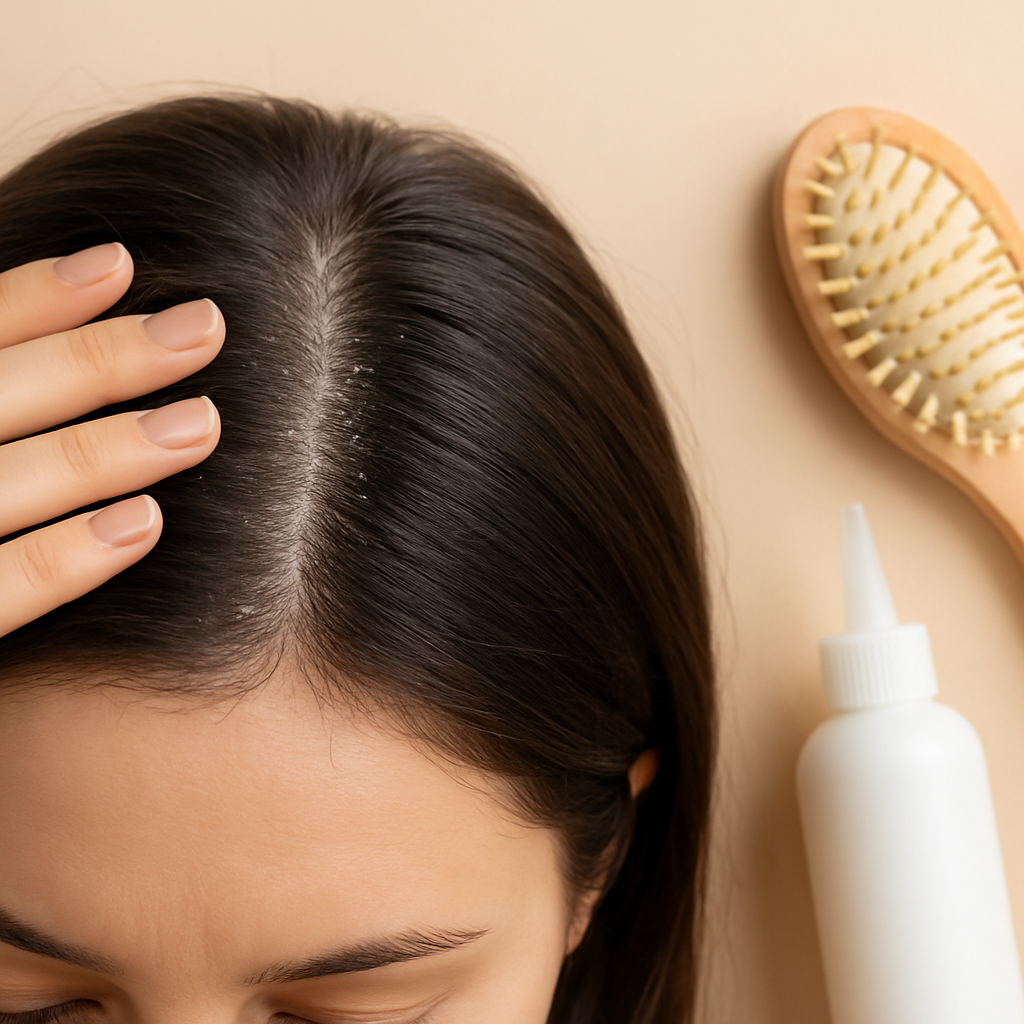
Have you noticed a flaky scalp, but find that it’s not dandruff? You are not alone. Many people experience scalp flakiness without it being due to dandruff, a condition characterized by oily skin scales. Understanding the potential causes and solutions for this can help you address the issue more effectively.
Identifying the Causes of a Flaky Scalp Not Dandruff
When dealing with a flaky scalp not dandruff, it’s important to understand that various factors could be at play. Here, we dive into some common causes:
- Dry Skin: Often, a dry scalp simply results from a lack of moisture in your skin. Cold weather, dehydration, or harsh shampoos can exacerbate this issue.
- Product Buildup: Hair care products like gel and spray can leave residues that accumulate on the scalp, leading to flakiness.
- Psoriasis: This skin condition causes raised, red patches covered with silvery scales, which can occur on your scalp.
- Eczema: A condition that makes your skin red and itchy, sometimes leading to scaly patches on the scalp.
- Skin Allergies: Allergic reactions to hair care products can result in skin flakiness.
Effective Solutions for Managing a Flaky Scalp Not Dandruff
Luckily, there are various approaches you can take to manage a flaky scalp. Consider the following methods:
Moisturize Consistently
A crucial step in tackling dryness is ensuring that your scalp is well-hydrated. Utilize moisturizing shampoos and conditioners, and refrain from using hot water while washing your hair.
Exfoliate Gently
Gentle exfoliation can help remove product buildup and dead skin cells. Use a soft brush or a specialized scalp exfoliator weekly to keep your scalp healthy.
Avoid Harsh Chemicals
Steer clear of hair products containing sulfates and alcohol, which can strip natural oils and exacerbate dryness. Instead, opt for products with nourishing ingredients like avocado oil or aloe vera.
Consult a Dermatologist
If you suspect your flaky scalp could be related to psoriasis or eczema, it’s wise to consult a dermatologist for a proper diagnosis and treatment plan. They may suggest topical treatments or prescriptions.
Consider the Impact of Lifestyle Factors
Your lifestyle, including diet and stress levels, can impact your scalp health. Ensure you’re getting enough hydration, have a balanced diet rich in omega-3 fatty acids, and are managing stress effectively. For more insights into how your lifestyle may affect your hair, visit our detailed guide on hair health.
Preventive Measures for a Flaky Scalp Not Dandruff
Prevention is always better than cure. Here are a few tips to help maintain a healthy scalp:
- Hydrate by drinking plenty of water throughout the day.
- Limit the use of heat styling tools and ensure adequate protection when used.
- Wash your hair regularly with lukewarm water to prevent dirt and oil buildup.
- Test new hair products in a small area before full application to avoid allergic reactions.
Understanding these aspects will not only help in effectively managing a flaky scalp but will also contribute to overall hair health. Remember that while these tips might help, reaching out to a healthcare provider for persistent issues is advisable.
For more on general health tips, you can refer to resources like the Health article on Wikipedia.
Conclusion
Identifying and addressing the causes of a flaky scalp not dandruff is key to finding relief. By taking appropriate steps and consulting professionals when necessary, you can maintain a healthier scalp and hair.
- Flakiness on the scalp isn’t always dandruff and can result from diverse causes.
- Effective treatment often includes adjusting hair care routines and lifestyle factors.
- Consulting a healthcare provider is crucial for persistent or unclear symptoms.
- Prevention involves maintaining a healthy diet, adequate hydration, and careful product selection.
Can stress cause a flaky scalp?
Yes, stress can lead to an increase in scalp dryness by affecting hormone balance, which may exacerbate flaky skin conditions.
Are there specific shampoos recommended for a flaky scalp?
Shampoos containing ingredients like tea tree oil, and salicylic acid, or those labeled as moisturizing can help manage a flaky scalp.
How can I differentiate between dandruff and a flaky scalp?
Dandruff flakes are usually larger and greasy compared to those of a dry, flaky scalp, and they often occur with itchiness and excess oil production.
Can diet affect my scalp health?
Absolutely. A diet lacking essential nutrients, particularly omega-3 fats, can impact skin health, leading to dryness and flakiness.
Should I see a doctor for a persistent flaky scalp?
If simple home remedies don’t alleviate your symptoms, or if you suspect an underlying condition like eczema or psoriasis, it’s advisable to consult a healthcare professional.