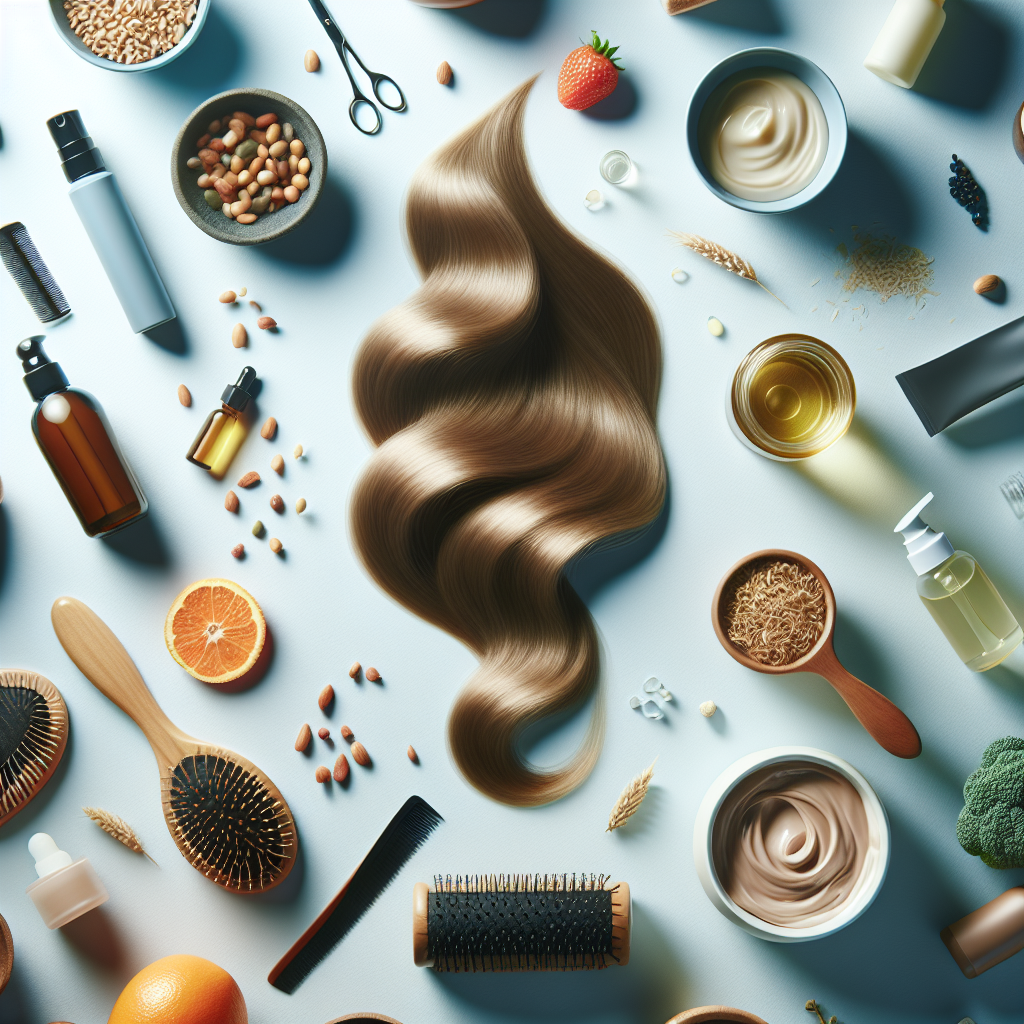
Wondering how to know if your hair is healthy? Our hair can be an unmistakable reflection of our overall health. From the shine it emits to the way it feels, our hair can tell us a lot about what’s going on inside our bodies. This article will delve into the signs of healthy hair and how you can maintain it.
How to Know if Your Hair is Healthy
Healthy hair has several defining characteristics. It is essential to understand these attributes to evaluate your hair’s health accurately. Here’s a comprehensive overview of what you need to look for.
Shine and Luster
One of the first things to notice about healthy hair is its shine. Natural oils produced by your scalp coat your hair, giving it a glossy finish. If your hair seems dull, it might be due to lack of moisture or an incorrect hair care routine.
Texture and Elasticity
Healthy hair should be soft to the touch and have a slight elasticity. When you pull a strand of hair gently, it should return to its original shape. This elasticity indicates that your hair is well-hydrated and has strong proteins.
Minimal Breakage
The amount of hair on your brush or pillow can say a lot about the health of your hair. While some shedding is normal, excessive breakage can signal damage. Consider using a hairbrush that suits your hair type to reduce breakage. Learn more about selecting the right hairbrush.
No Split Ends
When the hair cuticle is damaged, you may notice split ends. Keeping your hair trimmed regularly can help maintain its health and prevent splits from traveling up the hair shaft.
Scalp Health
A healthy scalp is the foundation for healthy hair. Look for signs of irritation, redness, or excessive dryness, as these may indicate underlying issues that need to be addressed.
How to Maintain Healthy Hair
Maintaining healthy hair goes beyond recognizing its outward appearance. It involves adopting a comprehensive routine that includes cleansing, conditioning, and protection.
Washing and Conditioning
Use a gentle shampoo that suits your hair type to cleanse your scalp and hair. Follow up with a conditioner to lock in moisture, especially if your hair tends to be dry. Avoid over-washing as it can strip the hair of its natural oils.
Protective Measures
Protect your hair from environmental stressors like sun damage and pollution by wearing hats or using protective sprays. Heat styling tools can also cause damage; using a thermal protector before styling is crucial.
Balanced Diet
Your diet can significantly impact your hair’s health. Nutrients like vitamins A, C, D, E, zinc, iron, and fatty acids are essential. Foods rich in these nutrients can help keep your hair strong and lustrous.
Avoiding Chemical Overload
Chemical treatments like coloring, perming, and relaxing can weaken hair if used excessively. Opt for gentle formulas and ensure proper aftercare to maintain the integrity of your hair.
Products that Support Healthy Hair
Choosing the right products plays a crucial role in maintaining hair health. Seek out products that align with your hair’s needs, such as those that provide hydration, repair, or volume. Consult a professional if you’re unsure which products are best suited for your hair type.
Natural Oils
Natural oils such as argan oil, coconut oil, and jojoba oil can replenish moisture and add shine to your hair. Use them as part of your routine to maintain hydration and elasticity.
Protein Treatments
Protein treatments can help strengthen hair that has been weakened by chemical or thermal treatments. However, balance is key; too much protein can make hair brittle. Use these treatments sparingly.
For further reading on health and its impact on different aspects of life, visit this comprehensive resource.
- Shiny and elastic hair is usually a sign of good hair health.
- Avoid excessive heat and chemicals to reduce hair damage.
- A balanced diet contributes to hair vitality.
- Regular trims help prevent split ends from worsening.
- Choose hair products that match your specific hair needs.
FAQs
What are the signs of unhealthy hair?
Brittle texture, excessive shedding, dullness, and split ends are common indicators of unhealthy hair.
How often should I wash my hair?
It depends on your hair type. Oily hair may need washing more frequently, while dry or textured hair might need less frequent washing to maintain moisture.
Can diet affect my hair health?
Yes, consuming a balanced diet rich in vitamins and minerals can significantly improve the health of your hair.
How can I stop my hair from breaking?
Limit the use of heat tools, handle your hair gently when wet, and use strengthening products to minimize breakage.
Is natural oil good for all hair types?
While natural oils can benefit most hair types, it’s essential to choose one that suits your specific needs, such as lighter oils for thin hair and richer oils for thick or curly hair.
Knowing how to tell if your hair is healthy requires observing these signs and adopting a consistent, caring routine to maintain it. If in doubt, consult a hairstyling professional or dermatologist for personalized advice.