After undergoing a hair transplant, many patients are eager to return to their regular activities, including wearing hats. One common question that arises is: can you wear a hat after hair transplant? Understanding the implications of wearing headgear post-surgery is essential to ensure proper healing and optimal results.
Can You Wear a Hat After Hair Transplant?
The first few weeks after a hair transplant are crucial for the healing process. During this period, the newly transplanted hair grafts are delicate and need to be protected. While the temptation to wear a hat might be strong, especially for cosmetic reasons, it is generally advised to avoid doing so in the initial phase. Most doctors recommend refraining from wearing anything that could potentially disturb or compress the grafts during the first week post-surgery.
When Is It Safe to Wear a Hat?
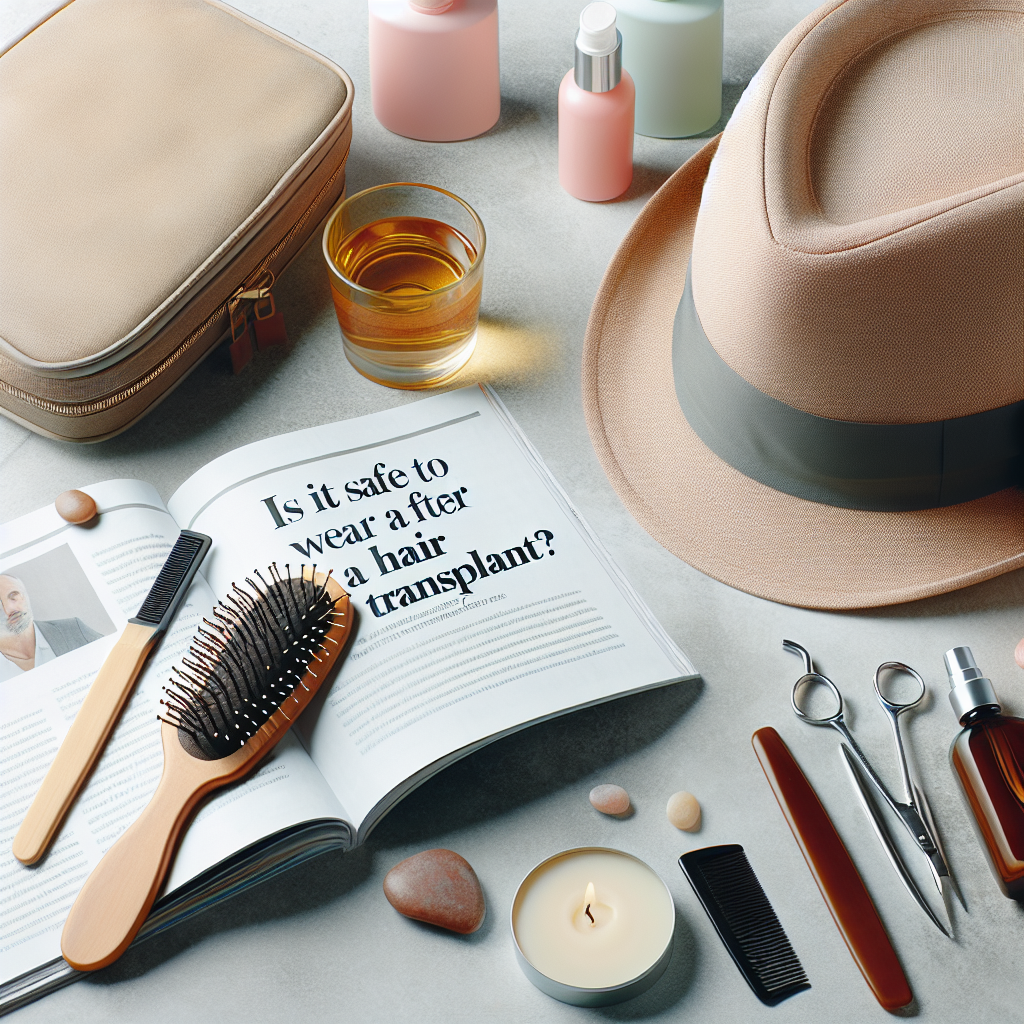
The timeline for wearing a hat after a hair transplant can vary based on the individual’s healing process and the advice of their practicing clinician. Typically, it is considered safe to begin wearing a loose-fitting hat or cap approximately 7 to 10 days following the procedure. However, it’s crucial to ensure that the hat does not rub against the grafts or cause any additional pressure.
Choosing the Right Headwear
When you feel ready to wear a hat, selecting the right type of headwear is important. Opt for soft, loose-fitting hats made of breathable materials like cotton. Avoid tight-fitting caps or hats made of rough fabric that could irritate your scalp. This ensures that your scalp remains comfortable and irritation-free as it continues to heal.
Post-Transplant Care and Precautions
In addition to managing headwear, patients should be mindful of other post-transplant care guidelines. Avoid exposure to sunlight, as it could damage sensitive scalp areas. Also, refrain from any activities that could lead to excessive sweating in the days following your procedure. Adhering to these precautions can significantly enhance recovery.
Further Hair Care Guidance
After a hair transplant, you might have questions about ongoing hair and scalp care. Maintaining a gentle hair care routine is crucial. Use mild, sulfate-free shampoos and avoid vigorous scalp massages within the first few weeks. You may also want to explore whether other factors, such as medications like steroids, can affect hair growth post-transplant. Discover more about potential influences on hair health by visiting our guide on hair and steroids.
Consulting Your Healthcare Provider
Always follow the specific advice provided by your healthcare provider or hair transplant specialist. They can offer tailored recommendations based on your unique situation and ensure that you achieve the best possible results.
In conclusion, asking can you wear a hat after hair transplant unveils critical care steps necessary for optimal healing. While there is a desire to resume usual habits immediately, patience and proper care will yield the best long-term outcomes.
- Avoid wearing hats in the first week after a hair transplant.
- Choose soft, breathable hats that do not irritate the scalp.
- Consult with your clinician for personalized post-operative care.
- Protect your scalp from direct sunlight and heat.
- Be cautious with activities that might cause excessive sweating.
FAQ
What type of hat is best to wear after a hair transplant?
A soft, loose-fitting cotton hat is best, as it allows airflow and prevents irritation of the sensitive scalp.
How long should I wait before wearing a hat after a hair transplant?
It’s generally safe to wear a hat about 7 to 10 days after the procedure, once the grafts begin to settle.
Will wearing a hat affect my hair transplant results?
Wearing a hat too soon or choosing an inappropriate type can potentially disrupt grafts, so follow the advice of your healthcare provider to avoid such issues.
Can sun exposure impact my recovery?
Yes, direct sun exposure can be harmful right after a transplant. Protect your scalp by using a hat or staying in shaded areas.
Where can I find more information about post-transplant hair care?
For further reading on health and recovery after procedures, consult reliable sources such as this detailed article on Wikipedia.