Scar tissue can develop as part of the body’s natural healing process after an injury or surgery. Massaging scar tissue is one common method people use to try and improve the healing and appearance of scars. But when is it too late to massage scar tissue effectively? Understanding the timing and technique for massaging scar tissue can make a significant difference in the healing process.
When is It Too Late to Massage Scar Tissue?
Scar tissue generally forms after the healing process begins, which can occur within days or weeks depending on the type and severity of the injury. While earlier intervention is often recommended, some experts believe that massaging scar tissue can be beneficial even after several months. Ideally, you should start massaging the scar as soon as your healthcare provider gives you the go-ahead, which is often once the wound has fully closed.
Scar tissue matures over 12 to 18 months, with changes still viable up to a year. Although it’s never “too late” to begin massaging a scar, your chances of altering its texture and appearance may decrease as time progresses. Consistent and proper massage techniques can still promote increased blood flow and flexibility even in more mature scars.
The Benefits of Massaging Scar Tissue
Engaging in regular scar massage can have multiple potential benefits. These include reducing pain and discomfort, minimizing sensitivity, improving tissue flexibility, and enhancing cosmetic appearance. The pressure applied during massage helps break down the dense bands of collagen that make up scar tissue. This process can support more elasticity in the skin over time.
Additionally, massage can help increase circulation, which might boost healing by supplying nutrients to the scarred area. It is essential to follow the recommended techniques and pressure levels suggested by your healthcare provider for optimal results.
Recommended Techniques for Scar Massage
While massaging scar tissue, ensure that you apply a moderate amount of pressure. Overly aggressive handling can damage new scar tissue. Use your fingertips to massage in circular motions, typically for around 10 minutes at least two to three times a day.
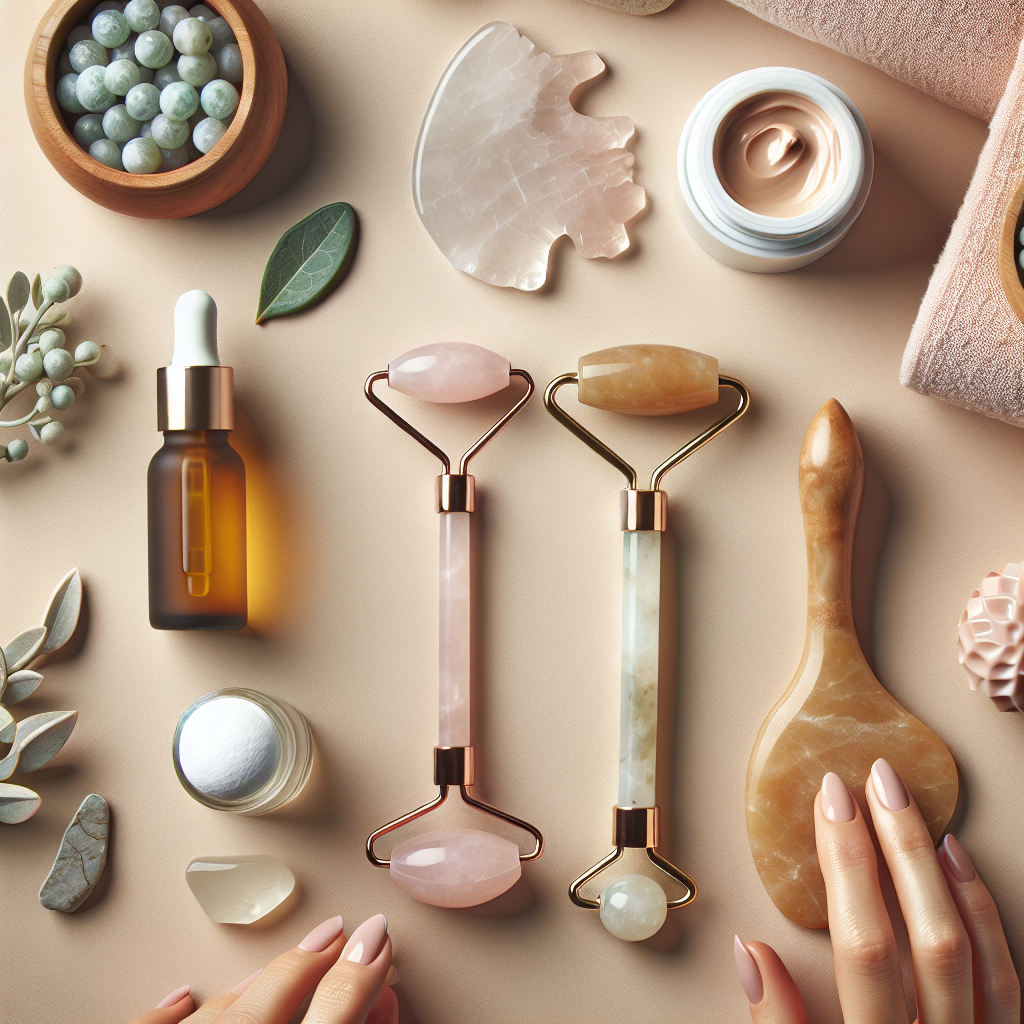
Use gentle, yet firm strokes to avoid causing any discomfort. Implementing a moisturizer or an oil, such as vitamin E oil, can enhance the experience by providing a smoother surface and potentially promoting healing.
Factors Influencing the Healing of Scar Tissue
The healing of scar tissue is influenced by multifaceted factors, such as the individual’s skin type, location of the scar, and overall health. Moreover, the nature and extent of the original injury play a critical role in how the scar develops.
Age and genetic factors can also impact the effectiveness of any intervention. Older adults generally take longer to heal, and people who have keloid or hypertrophic scarring tendencies might need particular care strategies, possibly under professional advice.
Complementary Approaches for Scar Management
Aside from massage, there are several other strategies to support scar care. These include silicone gel sheets that may help flatten scars and reduce redness or over-the-counter creams that often contain active ingredients like onion extract.
Moreover, lifestyle factors, such as proper nutrition and hydration, along with ensuring overall skin health, will support the body’s ability to naturally update and refine scar tissue. Psychological aspects, including mindfulness and relaxation practices, can also contribute to comprehensive healing. Learn more about how non-traditional healing can benefit your routine in our article on beauty rituals and well-being.
Consulting Professionals for Personalized Advice
Before beginning any scar massage regimen, it is crucial to discuss options with a healthcare professional. They can provide recommendations based on your specific circumstances. In some cases, a therapist may employ various specialized techniques to address particularly stubborn or painful scars.
Consider professional evaluations as indispensable for bearing in mind variables like the scar’s age, size, and location, all of which can influence the recommended mode of treatment.
For more comprehensive information about scarring, its causes, and treatments, visit this resource from Wikipedia on health.
Takeaways
- Massage may help improve scar texture and appearance, even months after formation.
- Consult professionals before beginning any massage regimen for personalized advice.
- Use correct techniques and moderate pressure for effective massage.
- Complementary therapies, such as silicone sheets, may aid in scar management.
- Your body’s ability to heal scar tissue varies with multiple factors including age and skin type.
FAQs
Is it necessary to massage a scar?
While not mandatory, scar massage may help improve the texture and flexibility of scar tissue. Consulting with your healthcare provider can help determine if it is suitable in your case.
Can massage remove scars completely?
No, massage cannot remove scars completely. However, it can aid in softening and flattening them, possibly improving their overall appearance.
How often should I massage my scar?
Ideally, massaging the scar two to three times daily for about 10-minute sessions can be effective. Always follow the guidance of a clinician or therapist.
Are there risks associated with massaging scars?
If done too aggressively, massaging scars can cause discomfort or further injury. It’s essential to use appropriate pressure and techniques as advised by healthcare experts.
Should I use any products when massaging scar tissue?
Using moisturizers or oils may assist in making the massage smoother and more comfortable. Options like vitamin E oil or silicone-based creams might be beneficial, depending on your skin’s needs.