When it comes to styling your hair, many reach for a reliable hair gel. Yet, an often-asked question looms in the background: Is using hair gel bad for your hair? It’s a concern for many who ponder whether their styling habits could be causing harm. The belief that gel is bad for your hair stems from misconceptions regarding its properties and effects. Let’s delve into this topic to uncover the truth behind hair gel and its impact on hair health.
Is Gel Bad for Your Hair?
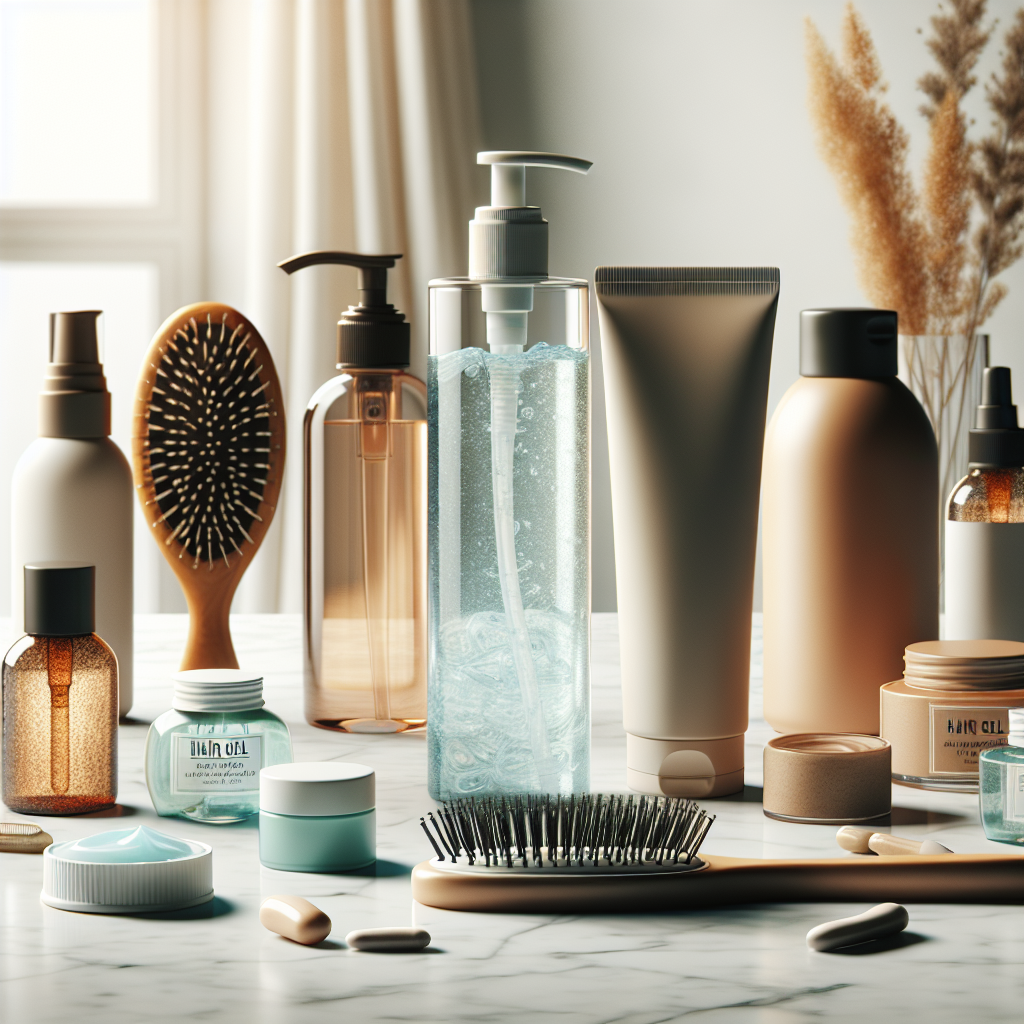
Hair gel has been a staple in the beauty industry for decades, designed to hold and shape hair in various styles. While some individuals worry that gel can damage hair, it’s crucial to understand how these products work. Hair gels contain polymers that coat the hair, providing hold and texture. Concerns arise when these products are not used correctly or are left in the hair for extended periods.
Overuse of hair gel can lead to build-up, making the hair appear dull and lifeless. Moreover, some gels contain alcohol or other drying agents, which can strip natural oils from the scalp and hair if not balanced with a proper hair care routine. However, this does not mean that all hair gels are inherently bad. By choosing the right product and maintaining a healthy hair care regimen, you can use hair gel without damaging your hair.
What Ingredients Should I Look Out For?
The ingredients in your hair gel can significantly influence whether the product is suitable for your hair. Look for alcohol-free gels, as alcohol can dry out the scalp and hair, leading to brittleness and potential breakage. Glycerin and natural oils, such as argan or jojoba oil, can provide moisture and protect the hair.
Avoid gels that list sulfates, as these can also strip away natural oils, leading to dryness. Always read labels and consider your hair type and specific needs when selecting a gel.
Impact of Gel on Scalp Health
There is another dimension to consider when asking, is gel bad for your hair: its effect on scalp health. The scalp is the foundation of healthy hair growth, and using products that upset the natural balance can lead to issues like dandruff or itching.
Regular use of gel, particularly without washing it out properly, can contribute to buildup on the scalp. This could potentially clog pores and impede hair growth. To avoid such issues, it’s essential to maintain a consistent washing routine, ensuring all product residues are thoroughly cleansed from both the hair and scalp.
Styling Practices That Promote Hair Health
Using gel doesn’t necessarily lead to damage, but your styling practices can make a difference. Consider these tips to protect your hair while enjoying long-lasting styles:
- Use gel sparingly, applying just enough to achieve the desired style.
- Always apply gel to damp, not wet, hair for even distribution.
- Avoid tight hairstyles that might pull on the hair shaft.
- Wash your hair regularly to remove gel and prevent buildup.
- Use a deep conditioner once a week to replenish moisture and prevent dryness. Check our guide on the benefits of using conditioner.
Alternatives to Conventional Hair Gels
If you are concerned about whether gel is bad for your hair and wish to explore alternatives, consider products that offer similar hold without the potential downsides. Mousse, styling creams, and pomades can provide varying levels of hold and shine, often with additional nourishing benefits due to hydrating ingredients.
For those who are environmentally conscious, natural hair gels made from flaxseed or aloe vera offer styling benefits while being gentle on the hair and scalp. These options can give peace of mind and less exposure to synthetic chemicals.
Ultimately, whether or not to use hair gel is a personal decision, dependent on individual preferences and hair type. The key lies in choosing products that align with your hair care goals and overall styling desires. Learn more about hair care and styling tips by visiting this informative article about health practices.
- Hair gel is not inherently bad for your hair.
- Choose alcohol-free and moisturizing formulas to minimize potential damage.
- Regular washing prevents product buildup and scalp issues.
- Consider alternatives such as mousse or natural gels for styling.
- Tending to your unique hair type is essential to maintaining healthy locks.
FAQ
Is hair gel safe for daily use?
Hair gel can be used daily if it is part of a comprehensive hair care routine that includes regular washing and conditioning. Choose gels that are gentle on the hair and scalp, and use sparingly.
Can hair gel cause hair loss?
There is no concrete evidence that gel directly causes hair loss. However, improper use or failure to wash out gel thoroughly might lead to scalp issues that could affect hair health.
How can I prevent hair damage while using gel?
To prevent hair damage while using gel, apply it to damp hair, avoid excessive use, and ensure that you wash it out regularly. Conditioning treatments can also help maintain hair integrity.
What should I avoid in hair gels?
Avoid gels with high alcohol content or sulfates, as they can strip moisture from the hair. Instead, opt for products with moisturizing ingredients like glycerin or natural oils.
Are there natural alternatives to hair gel?
Yes, there are natural alternatives such as flaxseed gel or aloe vera gel. These can provide similar styling benefits without the use of synthetic ingredients, offering a more environmentally friendly option.
In conclusion, the notion that gel is bad for your hair can be mitigated by informed choices and proper hair care practices. Adopting products and routines that support your hair’s health will allow you to enjoy the benefits of styling without concern.