When it comes to skin breakouts, it can be challenging to determine whether you’re dealing with a cold sore or pimple. Although they may look similar at first glance, understanding the distinction between these two common skin conditions can lead to appropriate treatments and prevent potential complications.
Cold Sore or Pimple: Identifying the Differences
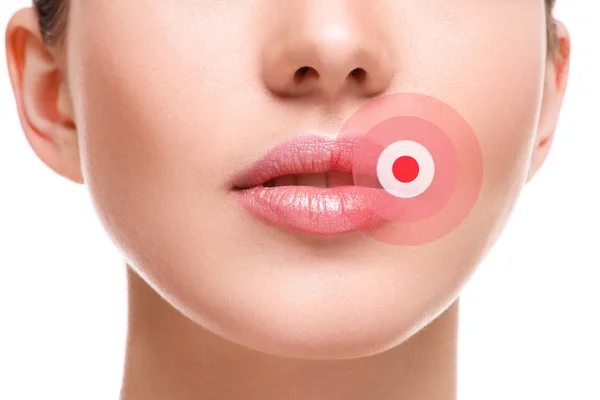
Cold sores, also known as fever blisters, are caused by the herpes simplex virus. They typically occur on or around the lips and can be painful, red, and filled with fluid. In contrast, pimples result from clogged pores due to oily skin and can appear anywhere on the face or body.
The primary distinguishing factor is the cause: viral infection for cold sores and bacterial involvement in the case of pimples. Knowing these causes can help in the application of the right treatment strategies.
Symptoms to Look For
Both cold sores and pimples can be painful, but they have distinct symptoms:
- Cold Sores: These start as tingling sensations followed by itchy and painful blisters. As they develop, these blisters may burst, causing crusted sores.
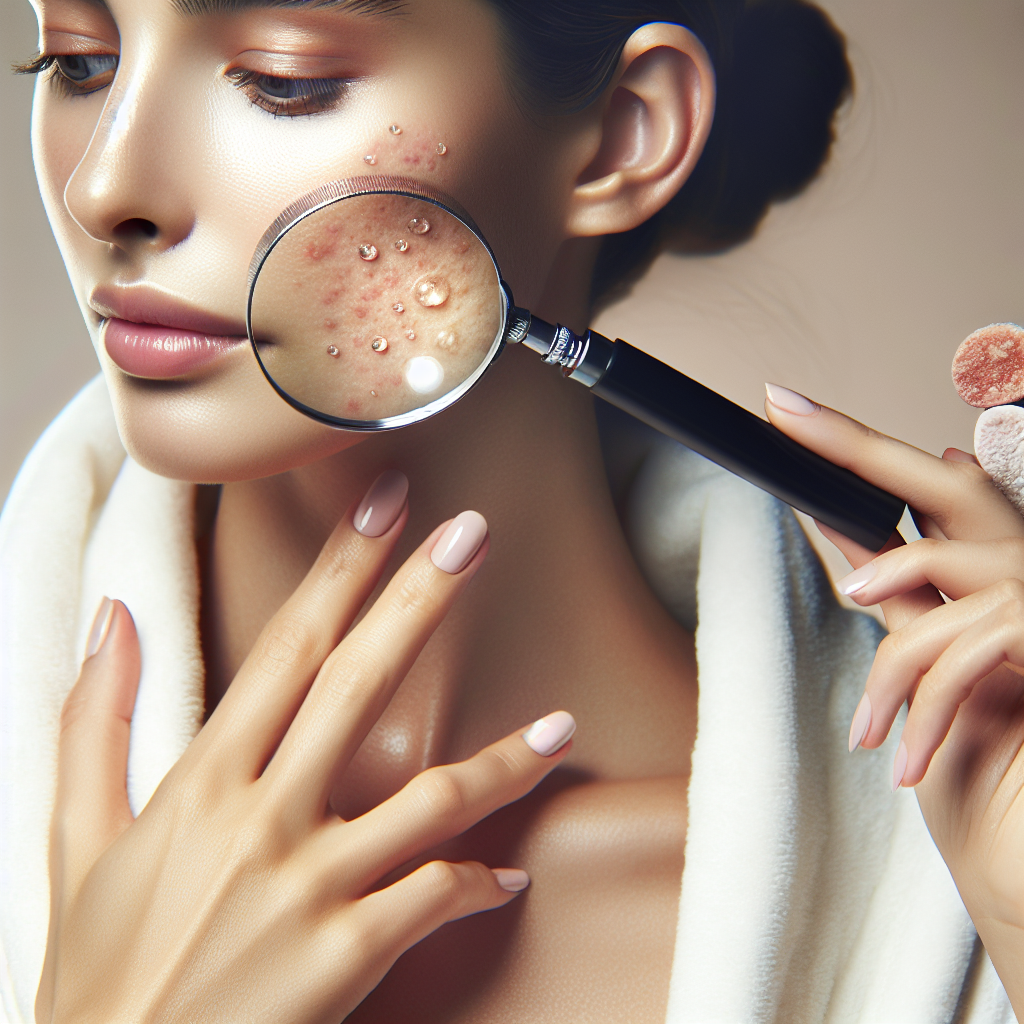
- Pimples: These begin as small red bumps, which can progress into larger, pus-filled lesions. They can occur with or without redness.
Treatment Options for Cold Sores
Treating a cold sore often involves antiviral medications that may reduce their severity and duration. These medications are available in both topical and oral forms. For personalized medical guidance, consult with a healthcare professional.
Avoiding triggers such as stress and sun exposure can also help in managing cold sore outbreaks. Applying sunblock or lip balm with SPF is a beneficial preventive measure.
Natural and Home Remedies
Some individuals find relief using natural remedies like aloe vera or tea tree oil, though scientific evidence is varied. Applying a cool, damp cloth to the affected area may help soothe irritation.
Addressing Pimples: Care and Prevention
Pimples, or acne, can be managed with over-the-counter products containing benzoyl peroxide or salicylic acid. These solutions work by addressing inflammation and preventing pore blockages.
For troublesome or persistent acne, consulting a dermatologist is recommended. In some cases, prescription treatments may be necessary.
Effective Skincare Routine
Regular cleansing with a gentle, non-comedogenic cleanser can help prevent pimples. Avoid picking or squeezing pimples to reduce the risk of scarring.
Comparing Treatment Options: Which is Suitable for You?
While the treatments for cold sores and pimples differ significantly due to their underlying causes, it’s important to correctly identify the skin condition you are dealing with. General skincare practices and healthy lifestyle choices can be beneficial in managing both breakouts.
In addition, consider exploring treatment methods that suit your specific needs. Our article on whether a pimple patch can work on cold sores provides further insights into tailored treatments.
Remember, the best approach is always the one that aligns with your body’s specific requirements and addresses the condition effectively.
Conclusion
Whether dealing with a cold sore or pimple, early identification and proper treatment are key to managing breakouts effectively. Implement routine skincare practices and consult with healthcare professionals when necessary to achieve the best results.
- Cold sores are caused by viral infections, while pimples result from clogged pores.
- Cold sores appear as blisters on and around the lips, while pimples can appear anywhere on the skin.
- Antiviral medications are effective for cold sores, whereas acne may require topical agents like benzoyl peroxide.
- Consult with healthcare professionals for tailored treatment recommendations.
- Adopt preventive skincare routines to minimize breakouts.
FAQs
Are cold sores contagious?
Yes, cold sores are contagious and can be spread through direct contact, especially during active outbreaks. It’s advisable to avoid sharing utensils, lip balms, or engaging in oral contact when a cold sore is present.
Can stress cause cold sores?
Stress is a known trigger for cold sore outbreaks. Managing stress through relaxation techniques and a balanced lifestyle can help minimize occurrences.
What’s the best over-the-counter treatment for pimples?
Benzoyl peroxide and salicylic acid are commonly recommended over-the-counter treatments for pimples. They help reduce inflammation and prevent pore clogging.
Can diet affect acne or cold sores?
While diet’s influence can vary, some individuals find that certain foods exacerbate acne. There’s limited evidence directly linking diet to cold sore outbreaks, though triggers like stress and illness play a role.
Where can I learn more about skin health?
For additional information about skin health, visit reputable resources like Wikipedia’s skin health page for a comprehensive overview.